Cheese Grader
You develop a nose and palate that can spot a bad wheel from across the room. Cheese graders are part food scientist, part quality cop, part craftsperson. At commercial scale, your call determines whether thousands of pounds ship or get reworked.
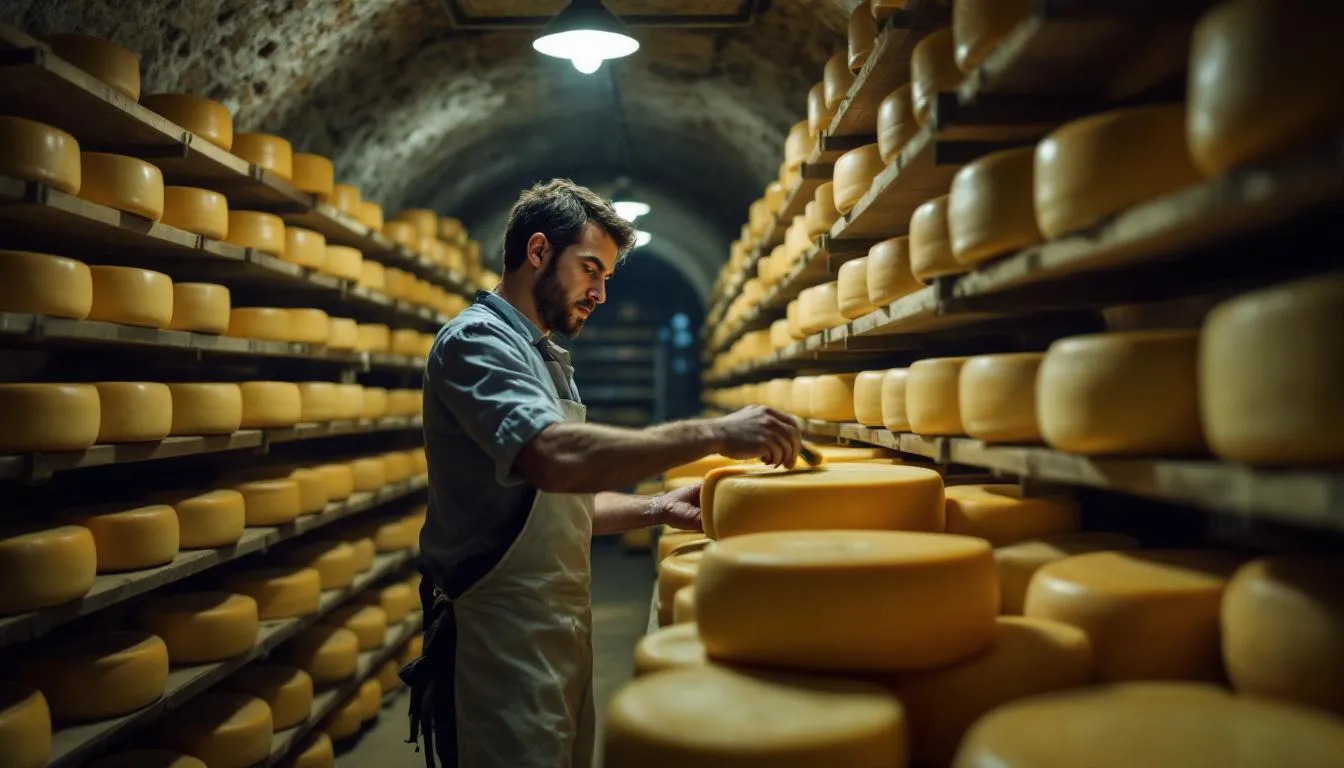
You work in temperature-controlled aging rooms or warehouse environments at cheese makers and distributors. The air is thick with culture and salt. Your job is to evaluate wheels, blocks, or cuts of aged cheese using sight, smell, touch, and taste. You're looking for defects, consistency, proper aging, and flavor profile. The work is methodical and repetitive, but the stakes are real: a bad batch can ruin a producer's reputation or cost tens of thousands of dollars. Most days you're moving between samples, taking notes, sometimes consulting with production teams on issues. The pace is steady but not frantic.
You receive cheese samples throughout the day, sometimes dozens. You examine the rind or surface for mold, cracks, or discoloration. You smell it. You feel the texture by touch and sometimes by cutting a small sample. You taste it, letting it sit on your tongue to pick up subtlety. You compare what you're experiencing against standards you've learned, sometimes referencing flavor wheels or defect guides. You document everything: moisture level, salt balance, visual flaws, aroma notes, taste assessment, overall grade. If something's off, you flag it and might communicate with the production floor about temperature, humidity, or culture issues. Some days you're training newer graders or conducting consistency checks across batches. You might also work with customers or salespeople explaining why a batch didn't make the cut.
You have a working memory for sensory detail and can describe what you're experiencing clearly. You're detail-oriented but not obsessive. You're okay with repetition because the variation happens within small margins. You respect the craft without being precious about it. You can take feedback on your grading accuracy without getting defensive, because early on your calls will be checked against experienced graders. You work well independently but can communicate findings to a team.
Start by getting hired as a grading assistant or quality control assistant at a cheese maker or distributor. No degree required, but some makers prefer high school diploma. Once in, you undergo on-the-job training where experienced graders teach you to recognize faults, develop your palate, and learn the standards for different cheese types. Many producers run internal certification programs or partner with the American Cheese Society for training modules. The full training cycle is typically 6 to 12 months before you're grading independently and accurately. Some people come in from general food quality backgrounds or dairy production; that helps but isn't necessary. The key is patience and a genuine ability to pick up sensory detail. Union shops are rare in cheese grading, so most hiring is direct with producers or larger distributors.
You can develop sensory fatigue. After eight hours of tasting and smelling, your palate gets tired and your accuracy drops. Most shops manage this with shift limits and palate cleanser breaks, but some don't. Your sense of taste and smell are your tools, so a bad cold or sinus infection means you're not working that day. The work can feel samey. You're looking at slight variations on the same product every day, and some people find that mind-numbing rather than meditative. The environment is cold and humid, which means your hands and feet take a beating if the room temperature isn't managed well. Very few graders stay in the role for 10+ years. Many move into production management, sales, or food science roles. That's not a knock, just reality.