Forager (Commercial)
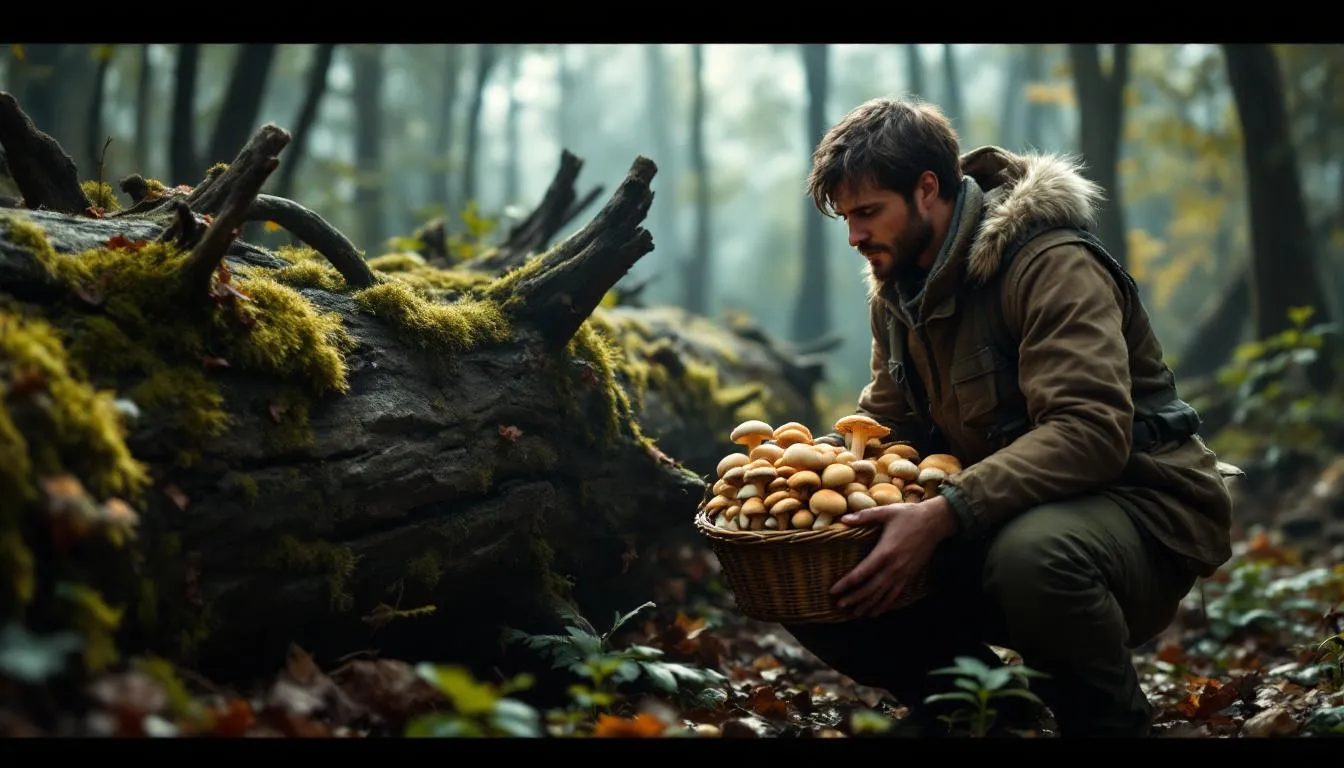
You spend your days in forests and meadows finding mushrooms, wild greens, and rare herbs that chefs pay serious money for. No boss watching over your shoulder, no warehouse fluorescents, no schedule. You're competing against other foragers for the best patches, and the ones who know their territory make real money.
A commercial forager works alone or in small crews, moving through forests, fields, and wetlands to find and harvest wild ingredients. Your day starts before dawn often, when mushrooms are freshest and less picked-over. You're hiking terrain that changes by season, weather, and what's actually fruiting that week. The work is physically demanding: carrying heavy bags, bending constantly, navigating uneven ground in all conditions. You're also constantly making judgment calls about what's edible, mature enough to harvest, and whether you're on private or public land. By afternoon you're usually at a buyer's location or processing facility, cleaning and grading what you've collected. The work is solitary but seasonal, and income varies wildly based on what's producing and what restaurants are willing to pay.
Your morning starts in darkness, checking weather and deciding which of your known patches to hit first. You move through the forest systematically, scanning the ground and tree trunks for mushrooms, checking understory for wild greens, fiddleheads, or berries depending on season. You're constantly identifying plants by sight, feel, and smell, making instant decisions about harvest maturity and edibility. You cut mushrooms at the base with a knife or twist them carefully to preserve the mycelium. You're filling baskets, bags, or buckets while staying acutely aware of weight and fragility of what you're carrying. You're also mentally mapping your territory, noting where patches fruited this year and predicting where they'll come up next season. By mid-afternoon you're heading to your buyer or processing point. There you're cleaning mushrooms with soft brushes, removing forest debris, grading by size and condition, sometimes weighing and packaging. You're negotiating price with restaurant chefs or wholesale buyers who know exactly what they want and when they want it. Some days you're scouting new territory, documenting GPS locations, or learning new species from field guides and more experienced foragers. Weather often dictates your day: rain after a dry spell can trigger a flush of mushrooms, sending you back out at odd hours.
You need obsessive attention to detail about plants and an honest relationship with risk. You're willing to work alone, in bad weather, in physically hard conditions, for income that fluctuates week to week. You're territorial about your knowledge and protective of your patches, but willing to learn from other foragers. You're patient enough to spend hours finding what you came for, and smart enough to walk away when you're not sure about a plant.
There is no formal certification path, but starting as a commercial forager requires serious preparation. Spend your first year learning to identify edible species in your region through field guides, online communities, and ideally mentorship from established foragers. Start by foraging for personal use and selling small quantities to local restaurants or farmers markets. Build relationships with chefs and buyers while you're still learning. Many regions have forager networks or mushroom clubs that meet seasonally and share knowledge. Some areas have certification programs through agricultural extensions that teach food safety and sustainable harvesting, which helps with buyer confidence. Your entry income will be low and inconsistent your first season, maybe $50-200 per outing depending on what you find and who's buying. Once you've mapped productive territory and built buyer relationships, income stabilizes. The barrier to entry is low in terms of cost (a good knife, baskets, field guides run under $200) but the knowledge requirement is real. Most successful commercial foragers spend 2-3 seasons learning before they're reliably profitable.
The knowledge barrier is steeper than it looks. Misidentifying a poisonous species can kill someone. Most commercial foragers spend years learning, make mistakes with nonlethal consequences, and gradually build confidence. You're liable if someone gets sick from what you sold, so food safety knowledge matters as much as identification. The seasonal income is brutal. You make most of your money in a 4-5 month window, which means you're either saving aggressively or picking up other work in winter. Some years the seasonal flush fails due to drought or frost, and you make significantly less. Land access is constantly complicated. You need permission to forage on private property, public land access changes, and territorial conflicts with other foragers over productive patches are real and sometimes ugly. You're also competing with cheap imports. Restaurant buyers want local wild mushrooms in summer, but in winter they'll buy frozen imports at half the price. The physical toll is real: constant bending, carrying heavy loads, exposure to elements, insect bites, and occasional encounters with wildlife.