Competitive Eating Coach
You'd be coaching someone to demolish 70 hot dogs in 10 minutes for a $10,000 prize. It sounds absurd until you realize competitive eating is an actual sport with real money, sponsorships, and a fanbase that takes it seriously. You'd be the person behind the scenes teaching technique, pacing, mental toughness, and how to train your body to do something most people think is impossible.
This job lives in a weird pocket of the sports world. You're not working with mainstream athletes or in traditional facilities. Your clients are highly motivated people who've decided competitive eating is their thing, and they want to get better at it. You'll spend time analyzing footage of eating competitions, designing training regimens, working with nutritionists and doctors to keep your clients safe, and coaching them through actual competitions. The work is flexible, often remote or per-client basis, and you can build this as a side gig or full-time if you develop a reputation. The community is tight and weird in the best way. You're dealing with people who are obsessed with their craft, track every metric, and will listen to detailed feedback about their jaw mechanics or breathing patterns between bites. The money depends entirely on how many clients you have and their level of success. Some coaches work with amateurs building toward semi-pro circuits. Others coach known competitors who travel nationally and internationally.
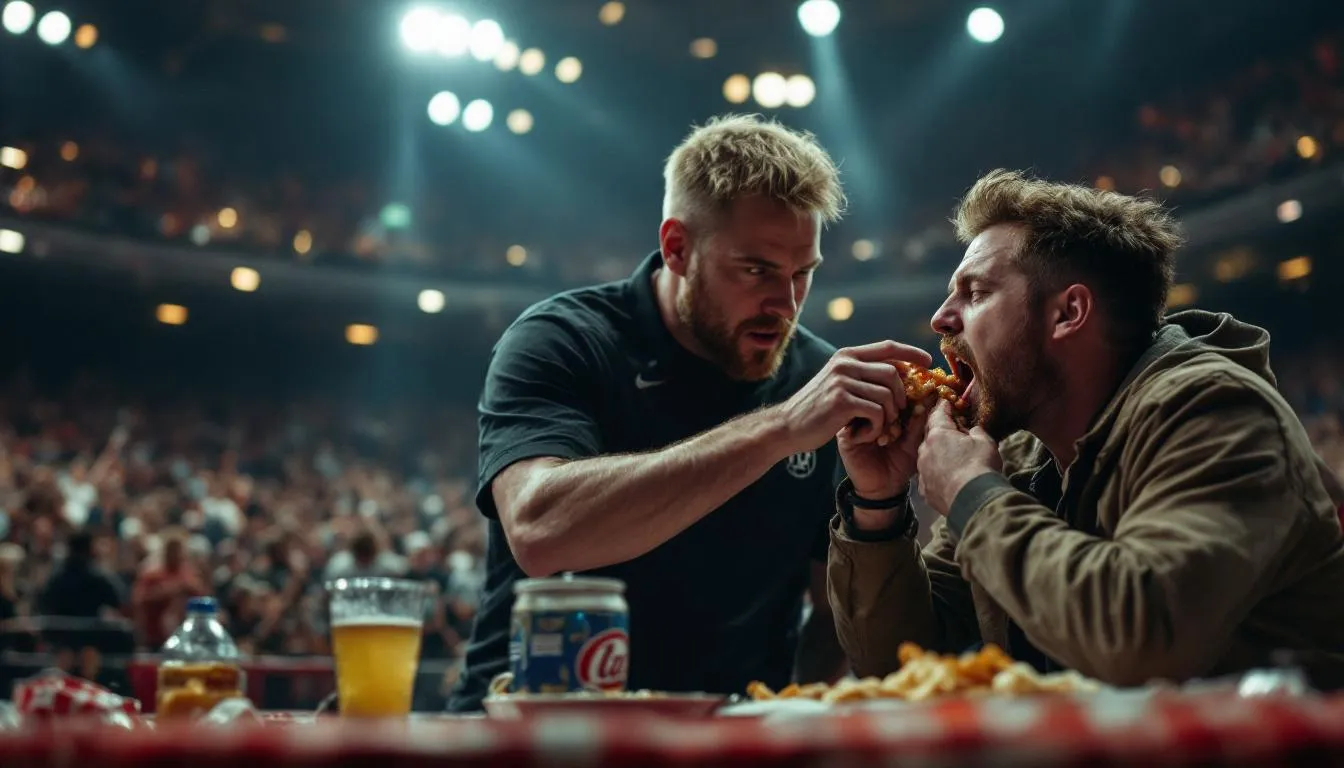
You start by understanding your client's current ability level and competing in the circuit they're targeting. You watch hundreds of hours of competition footage, breaking down techniques used by top eaters: how they hold food, their swallowing pattern, breath control, how they pace themselves, and mental strategies for pushing through discomfort. You design training protocols that might involve eating practice sessions, physical conditioning work, mock competitions timed exactly like real events, and hydration strategies. You work closely with sports doctors and nutritionists to keep clients healthy during training and ensure they're recovering properly. You monitor weight, digestion, jaw strength, and overall physical condition. During competitions, you're often coaching from the sidelines, cueing pacing and technique in real time. You also handle mental coaching: managing nerves before big events, building confidence, and developing strategies for dealing with competition pressure. You might travel to major competitions or manage remote coaching relationships with clients across the country. You're constantly analyzing new techniques, watching emerging competitors, and evolving your coaching methods. Some coaches also develop their own training content, run workshops, or work with media outlets covering competitive eating.
You need to be comfortable in unconventional spaces and genuinely interested in niche communities. You should be analytical and obsessed with detail: small technique changes matter enormously. You have to respect the sport and your clients without judgment, because this only works if you actually believe competitive eating is legitimate athletic competition. Successful coaches are patient teachers, good at reading people, and able to communicate complex physical concepts simply. You're self-directed because there's no industry standard or boss telling you what to do.
There's no formal path because this is still niche, but here's what actually works: First, get deep into competitive eating yourself. Watch the major circuits, understand the landscape, and ideally compete at some level so you understand the physical and mental demands. Build genuine knowledge of eating biomechanics, nutrition, and sports science. Many successful coaches have backgrounds in sports coaching, exercise science, nutrition, or even martial arts discipline training. Some started as competitive eaters themselves and transitioned to coaching. Second, build a client base by connecting in the competitive eating community online and at competitions. Start by coaching people you know or offering free sessions to build a track record and testimonials. Third, develop expertise in the specific disciplines: Nathan's Hot Dog Contest style, wing eating, pizza eating, or whatever your niche is. You'll be taken more seriously if you specialize. Most coaches start part-time while building reputation, then scale up as demand grows. There are no required certifications, but credentials in sports coaching, nutrition, or exercise science help with credibility.
This job has almost no steady income at the start. You'll be grinding to build a client base while making very little money. The competitive eating community is small and reputation is everything, so one negative experience can damage your prospects significantly. There's also the reality that many competitive eaters aren't serious long-term. They try it, realize it's harder than expected, or lose interest after a few months. You'll invest time and energy in people who don't stick around. There's no job security, no benefits, no steady paycheck. You're entirely dependent on client retention and the whims of competition circuits. Additionally, the sport exists in a legal gray area in some jurisdictions, and there are ongoing conversations about whether competitive eating should be regulated for safety reasons. This could affect how the industry evolves.