Dam Inspector
You're responsible for finding cracks in structures that hold back millions of gallons of water. The work takes you underwater, into confined tunnels, and rappelling down 300-foot concrete faces. Most people never see what you see.
Dam inspection is split between office prep and fieldwork that ranges from technically complex to genuinely dangerous. You'll spend days reviewing engineering specs and historical inspection records, then weeks on-site rappelling down spillways, diving to the dam face, or crawling through internal tunnels to spot concrete degradation, seepage, or structural movement. The work is seasonal but intense when it happens. You're part of a small, tight team—usually 3-6 inspectors per assignment. The pressure is real because a missed crack or seepage pattern could affect water safety for downstream communities. Most dams are old, so you're not doing preventative work. You're finding what's actually breaking and deciding what matters.
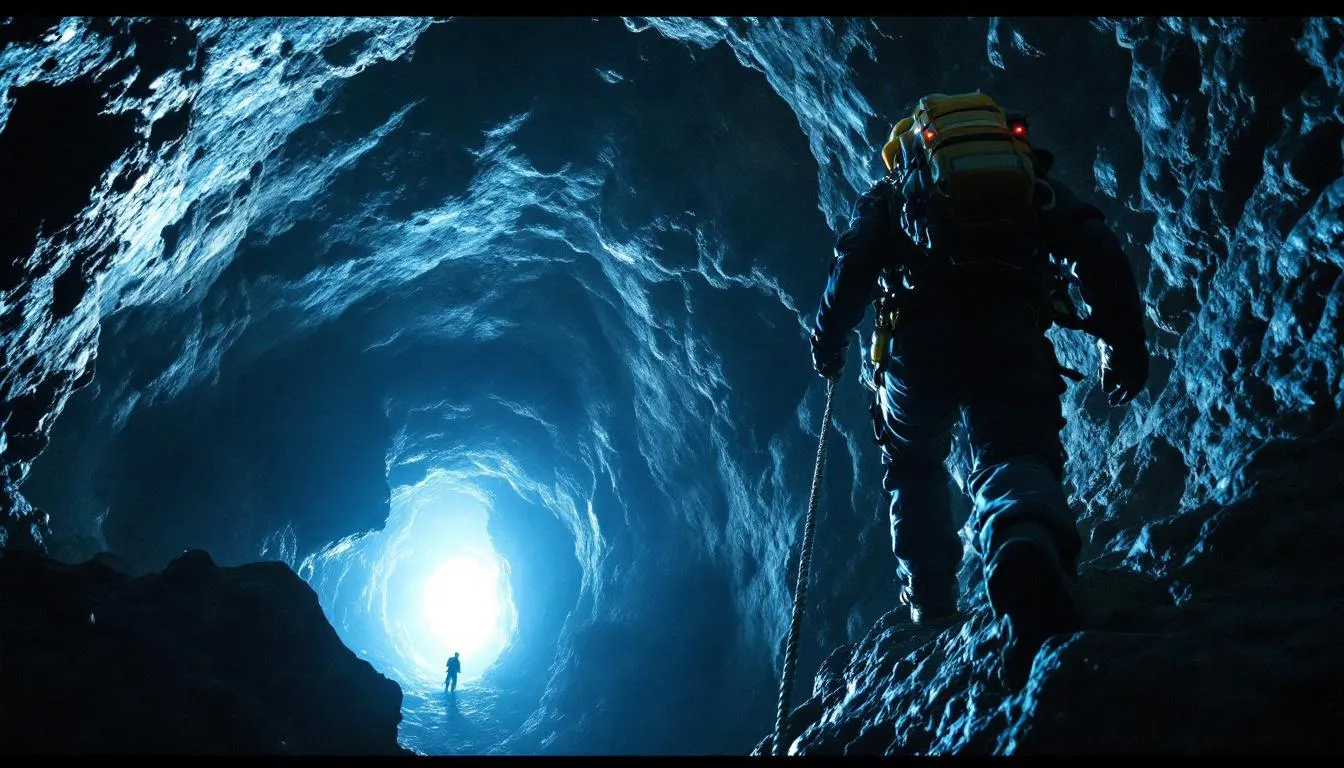
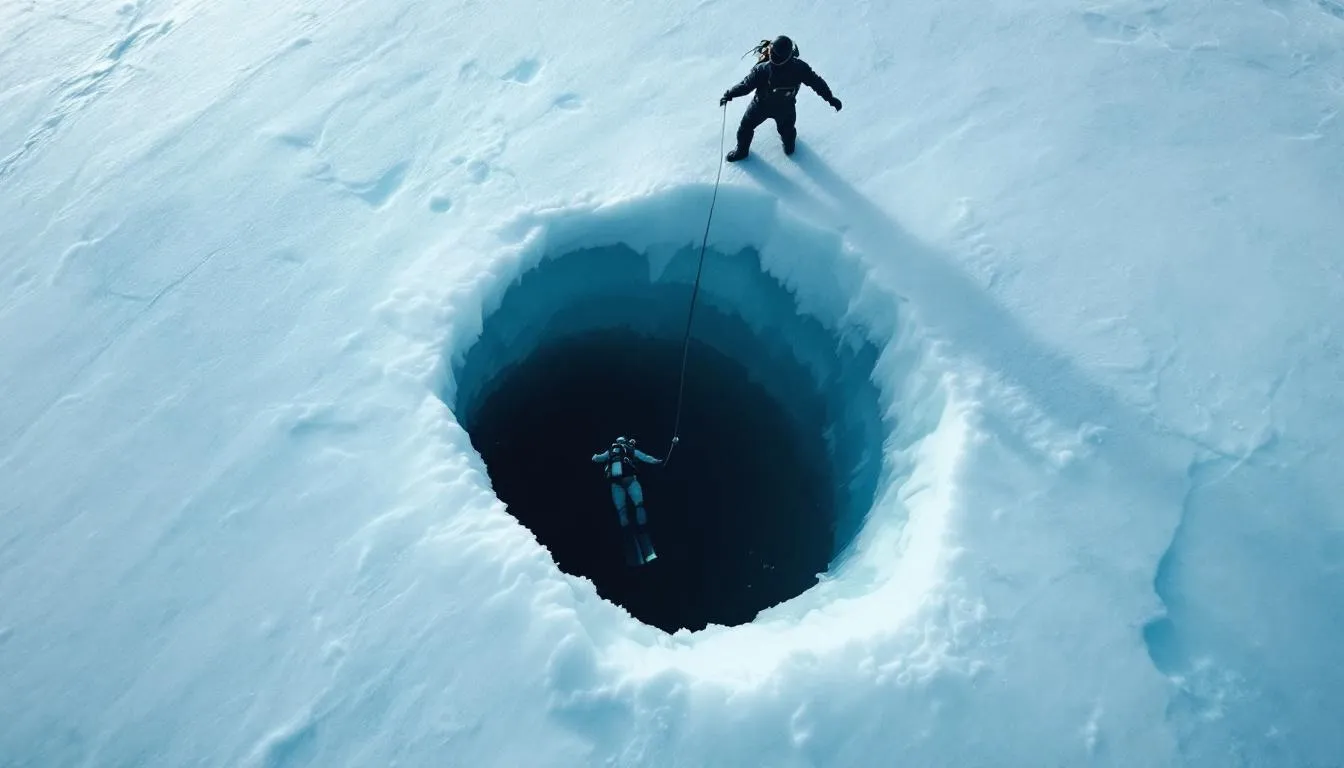
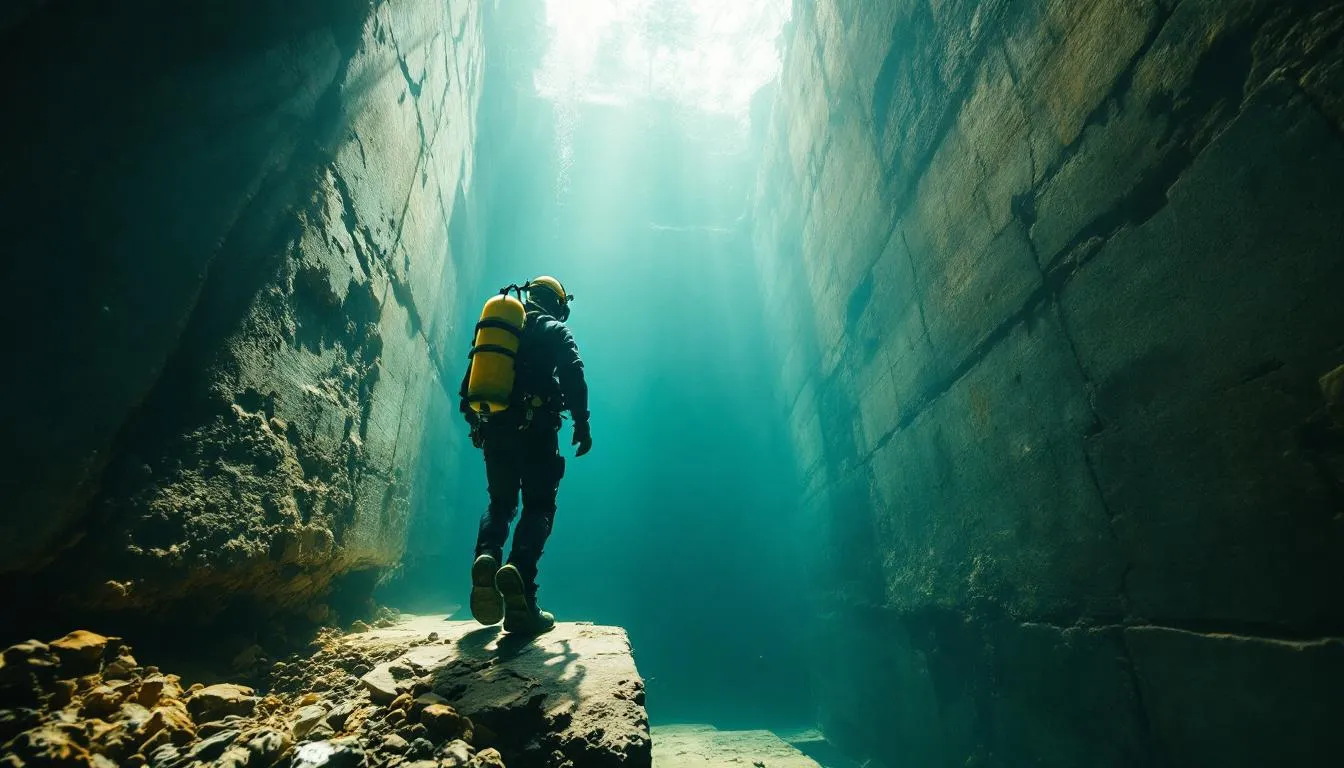
Your day starts with site documents. You review previous inspection reports, engineering drawings, and any known problem areas. You talk with the dam operator about recent observations: seepage locations, unusual spillway behavior, or structural movement flagged by instrumentation. Then you gear up. Depending on the assignment, you might rappel down the exterior face with binoculars and a camera, documenting concrete spalling, cracks, or discoloration from seepage. You take photos, measurements, and GPS coordinates. You note the size, orientation, and depth of defects. If there's a spillway to inspect, you're working near moving water, watching for erosion patterns and foundation exposure. Undersea work means getting certified and equipped for commercial diving. You descend to the base of the dam face, sometimes 80-150 feet down, and visually inspect the concrete, foundation interface, and any underwater structural elements. You photograph defects and map problem areas. The visibility varies wildly depending on water clarity. Confined space work involves entering spillway tunnels, intake tunnels, or outlet works. These spaces are tight, sometimes flooded partway, and require proper ventilation and safety protocols. You're looking for cracks, sediment buildup, deterioration, and signs of internal erosion. The work is slow and methodical. Back at base, you write it up. Your report includes photos, measurements, condition assessments, and recommendations. You flag anything that needs urgent attention and flag anything that can wait for the next inspection cycle.
You need to be detail-obsessed without being anxious about the stakes. Inspectors succeed when they can notice a 1-inch spall in a 300-foot face and stay calm about rappelling to it. You're methodical, take good notes, and don't cut corners on safety. Physically, you need to handle confined spaces and diving without panic. Socially, you work independently a lot but take direction well from engineers and senior inspectors. People who thrive here have some mechanical intuition and are curious about how things fail.
Start with a commercial diving certification, which takes 6-12 weeks of full-time training at a commercial diving school. Organizations like the Association of Commercial Divers or ADCI-affiliated schools are the standard. You'll learn surface-supplied diving, mixed gas diving, and emergency procedures. This costs $3,000-$8,000 but is non-negotiable for the job. Next, get confined space certification (OSHA 8-hour course, roughly $200-500) and rappelling/rope access training through a company like IRATA or SRT (Society of Professional Rope Access Technicians). The rope work typically costs $2,000-$4,000 for a 4-5 day course. With those certs, you can apply directly to dam inspection companies, the Bureau of Reclamation (federal dams), or state water resources agencies. Some hire entry-level inspectors and pair you with experienced staff to learn the engineering judgment piece. Start as a field tech or assistant inspector. You'll earn $20-28/hr initially while learning the work and the technical side. Once you've done 2-3 inspection cycles and built experience reading concrete deterioration and engineering drawings, you move into the inspector role at $35-45/hr. The certs are your entry ticket. The experience teaches you what actually matters.
This job requires you to be in shape year-round and ready to deploy on short notice. Inspections happen on utility schedules, not yours. You might be called out for emergency inspections if there's a flood or structural concern, and you go. Your body takes a beating. Repeated diving causes decompression stress. Rappelling is hard on shoulders and knees. Confined space work is claustrophobic for some people, even if you pass the initial screening. The work is also politically charged. You'll issue a report saying a dam needs $50 million in repairs, and that affects water prices, irrigation availability, and sometimes power generation. People upstream and downstream have opinions. You'll have to defend your findings in meetings with engineers, agency officials, and sometimes lawyers. The isolation is real too. You're on site camps for weeks at a time, away from home, working with a rotating crew.