Master Sommelier
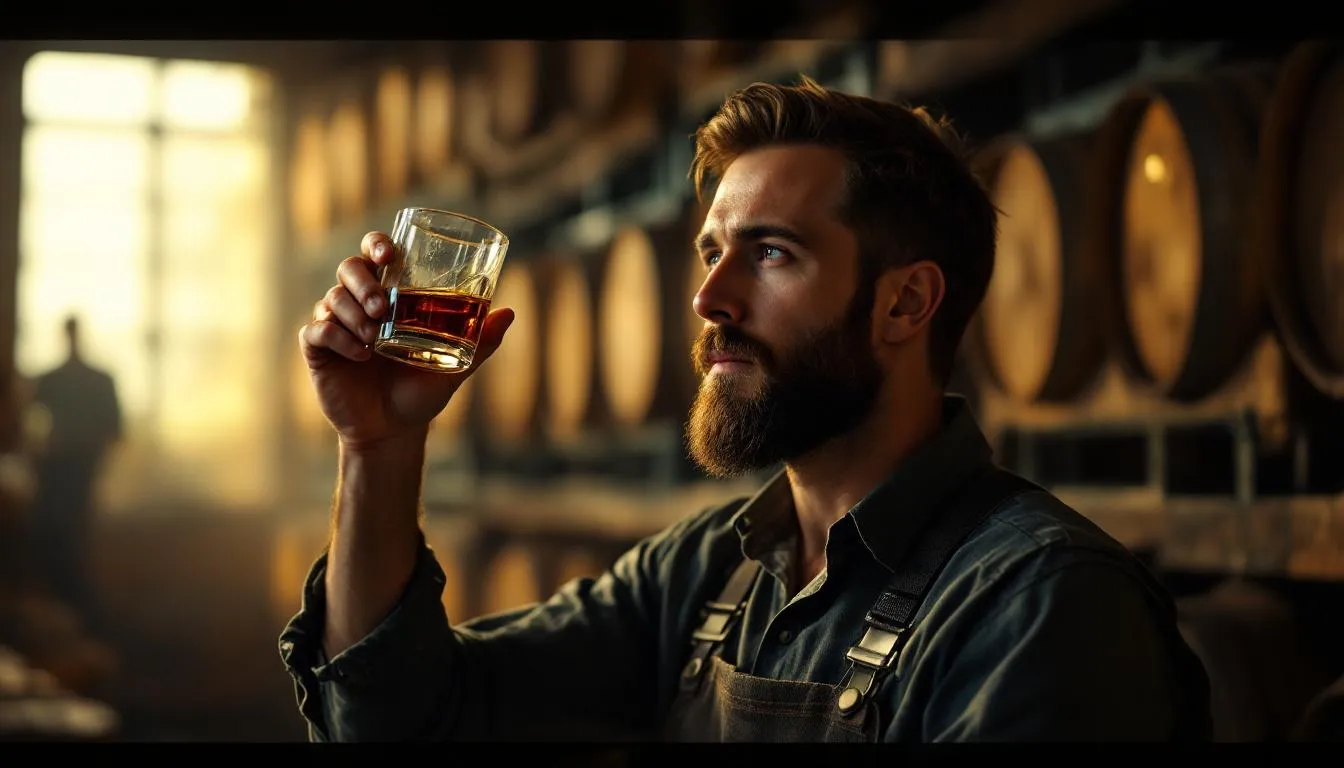
Master Sommelier is one of the three hardest certifications in the world. Period. You study for years, sit for an exam that has a 9% pass rate, and if you pass, you can command $150K+ a year and walk into any restaurant on the planet. The work is identifying wines blind by appearance, smell, and taste alone.
A Master Sommelier works in high-end restaurants, Michelin-starred establishments, wine auctions, or as an independent consultant. Your job is to guide wealthy diners through wine lists that cost thousands per bottle, taste wines blind to authenticate them, train restaurant staff, and sometimes source rare bottles for collectors. The pace varies wildly: slow hours studying at home, then intense nights on the floor where you might taste fifty wines and handle six-figure purchases in a single shift. You work with chefs, sommeliers-in-training, and guests who range from genuine wine lovers to people testing you. The respect in this world is real, but so is the pressure.
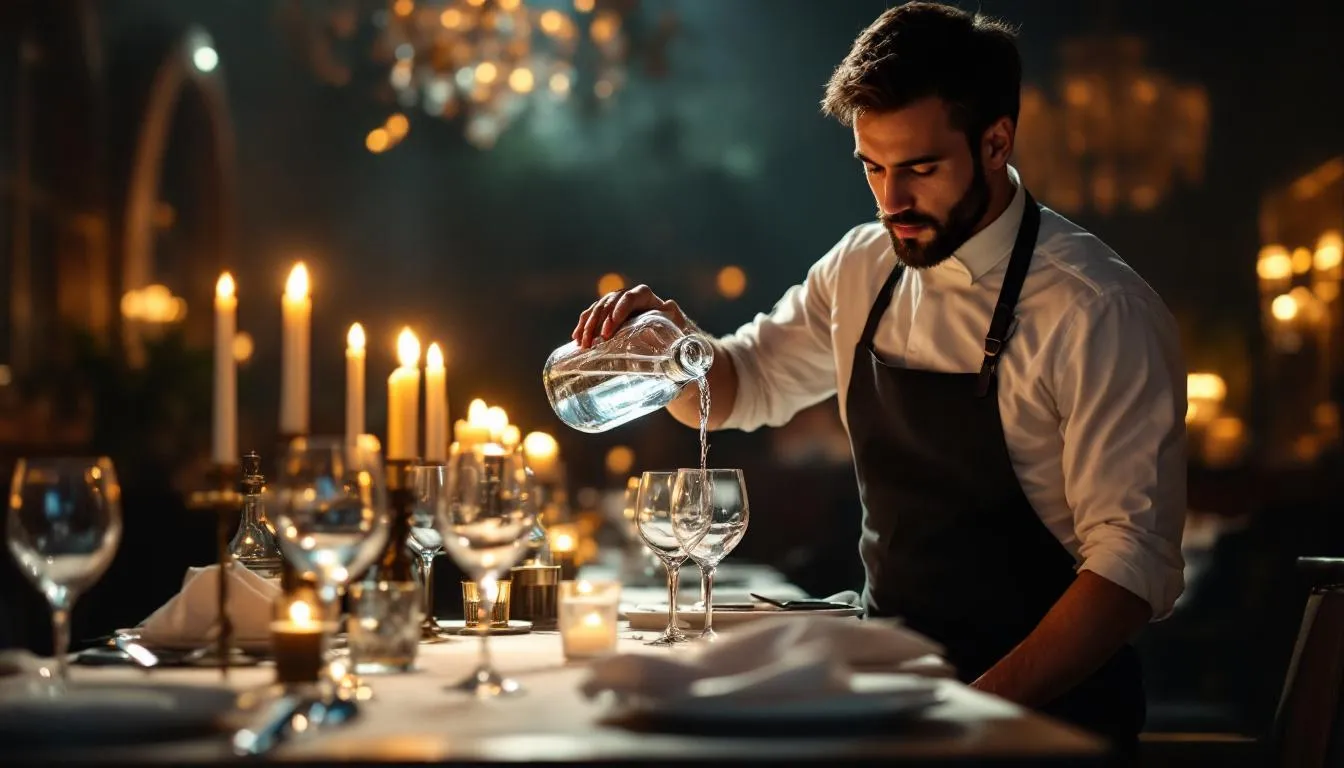
On any given shift, you might spend the first hour training junior staff on tasting technique and food pairing. When service begins, you read diners, ask questions about their preferences and budget, and guide them toward wines they will actually enjoy rather than just expensive ones. You taste wines tableside to verify they are not corked or oxidized. You might authenticate a rare vintage by appearance, aroma, and taste alone, then explain why this 1982 Bordeaux tastes like it does. Behind the scenes you study constantly: tasting blind flights of wines, learning new producers, refreshing your knowledge of regions and vintages, attending wine tastings and auctions. You might also consult for restaurants building their wine programs, source rare bottles for private collectors, or teach sommelier classes. The studying never stops.
Master Sommeliers are obsessive learners who taste constantly and retain details about thousands of wines. They read people well and stay calm under pressure, even when a $500 bottle is at stake. Most importantly, they are genuinely curious about wine and regions, not chasing status or money. The ones who make it past Level Two have lived through years of studying while working restaurant hours. You need patience, precision, a strong palate (some people taste flavors others miss), and the ability to explain complex things simply to rich people who want to feel smart.
Start as a wine server or sommelier at a restaurant, even if you have no wine knowledge. You will taste every wine on your list and learn on the job. Most restaurants expect 1-2 years before you take the Certified Sommelier exam (Court of Master Sommeliers Level One). You pass that, gain experience at better restaurants, then take Level Two (Advanced Sommelier) after 2-3 more years. Level Three (Master Sommelier) requires 5+ additional years of experience and is where the 9% pass rate kicks in. Many people take 10-15 years total to reach Master Sommelier. You can accelerate slightly by taking wine courses (Wine & Spirit Education Trust, WSET Level 3 or 4) alongside your restaurant work, but there is no shortcut. The exam itself covers blind tasting, theory, and service scenarios. Budget $2,000-5,000 per exam attempt plus study materials and tasting expenses.
The pass rate for Master Sommelier is brutal. Many candidates study for 5-10 years and never pass. When you do not pass, you pay the exam fee again ($795 as of 2024) and wait another year to retake it. The studying is relentless. You are tasting blind flights weekly, memorizing thousands of producers and vintages, and competing against other serious candidates in a small global community. The isolation is real too. While your peers from high school are building normal careers, you are spending nights studying wine regions instead of having a life. Once you make it, the pressure does not stop. Other sommeliers respect Master rank, but they also resent it. You become the expert everyone expects to know every wine, every vintage, every growing season anomaly. Service mistakes are amplified. A bad call on a wine or a guest complaint hits harder when you wear that title. Also: if your palate changes (illness, age, medication) or if you burn out on wine, you have spent 15 years on a credential that is hard to leverage elsewhere.