Sewer Inspector (CCTV/Dive)
You're lowered into the guts of a city's infrastructure with a camera or a wetsuit, finding problems before they become disasters. The work is dark, sometimes gross, and absolutely essential. Cities can't run without you, and they know it.
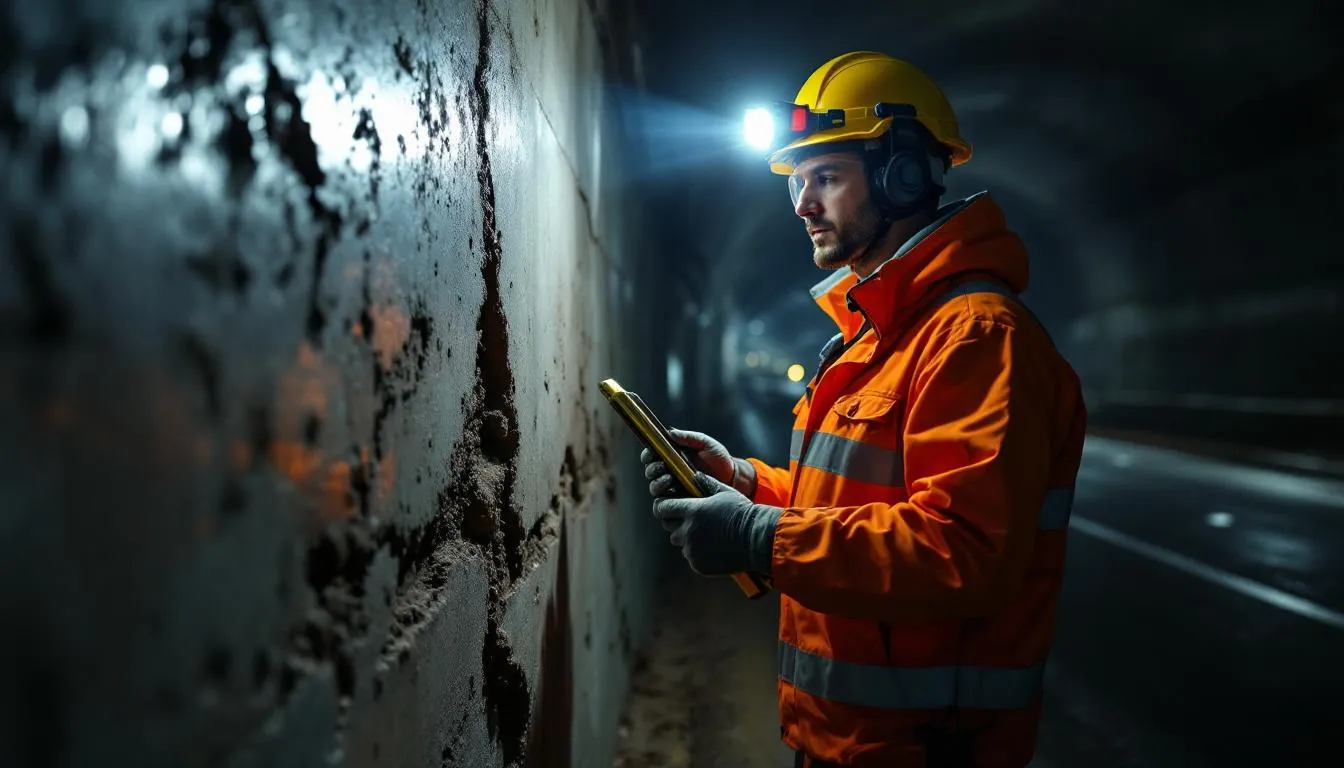
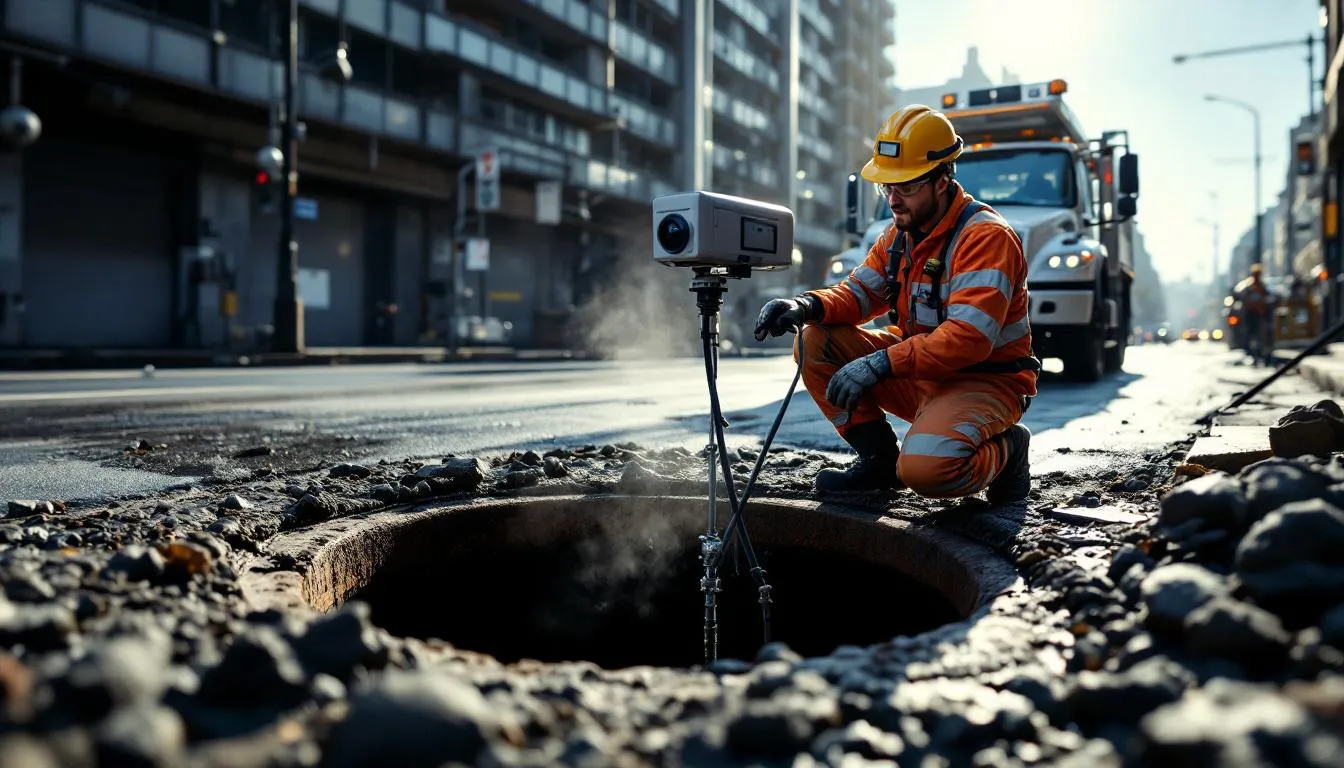
Most of your time you're operating remote cameras (CCTV) from a truck or van above ground, watching a feed as you navigate pipes to spot cracks, blockages, collapses, and root intrusion. You document everything with video and notes. When CCTV isn't enough or access is limited, you suit up and go down yourself, either through a manhole or diving into larger mains. You work for municipalities, wastewater authorities, or inspection contractors. The pace varies: some days are routine truck work, other days involve coordinating with crews, permits, and traffic control. Weather doesn't stop sewer work, so you're out in rain, heat, and cold.
You start the day checking equipment, prepping your van or truck, and reviewing the work order. You arrive on site, set up traffic control if needed, and either deploy the CCTV camera down the line or rig safety equipment if you're going in person. Operating CCTV means guiding the camera through pipes while watching a screen, marking problem areas, and noting the depth, location, and type of issue. You photograph or record everything. If you're diving or entering a sewer directly, you follow strict confined-space entry protocols: testing air quality, having spotters, wearing safety harnesses, and full protective gear. You document findings in reports that get handed to repair crews or engineering teams. Some days you're also training other inspectors, maintaining equipment, or attending safety meetings. The work is methodical, not frantic, but it demands focus and precision.
You're methodical and detail-oriented. You don't get squeamish about sewage, mold, or tight spaces. You take safety protocols seriously because they exist for a reason. You can work independently in a van or truck for hours, then shift to coordinating with crews. You're comfortable with basic tech (operating cameras, reading gauges, using software to log findings) but you're not a programmer. You respect the fact that your work directly prevents flooded neighborhoods and public health disasters.
Most municipalities hire high school graduates into entry-level wastewater or public works positions, then move you into inspection work. Some agencies require or prefer a certification like the NASSCO Certified Pipeline Inspector (CPI) or ADCI Commercial Diver certification if diving is involved. The CPI takes about 2-3 weeks of classroom and field training and is widely recognized. If you're diving, expect a 5-day commercial diver certification course plus additional SCUBA training. You can start as an equipment operator or crew member while pursuing certs on the job or through community colleges that offer wastewater programs. Many municipalities promote from within, so starting in any wastewater department position opens the door. Union shops in some areas run formal apprenticeships. Budget 6-12 months before you're earning steady money in an inspection role.
Sewer work carries real health risks. Exposure to methane, hydrogen sulfide, and pathogens is possible even with proper ventilation. Confined spaces can be disorienting and dangerous. Some inspectors develop respiratory issues over time. The work is genuinely smelly and dirty, no matter how much you sanitize. You'll see things in pipes that make you question humanity. The job also has seasonal peaks: spring flooding and fall leaf season mean long hours. Job security is solid because cities always need this work, but you're at the mercy of municipal budgets and hiring freezes.