Tunnel Inspector
You're descending into tunnels beneath highways, railways, and cities to map out structural damage and plan repairs. The work is underground, often tight, sometimes underwater. It's specialized enough that you're one of a small group of people who actually know how to do it.
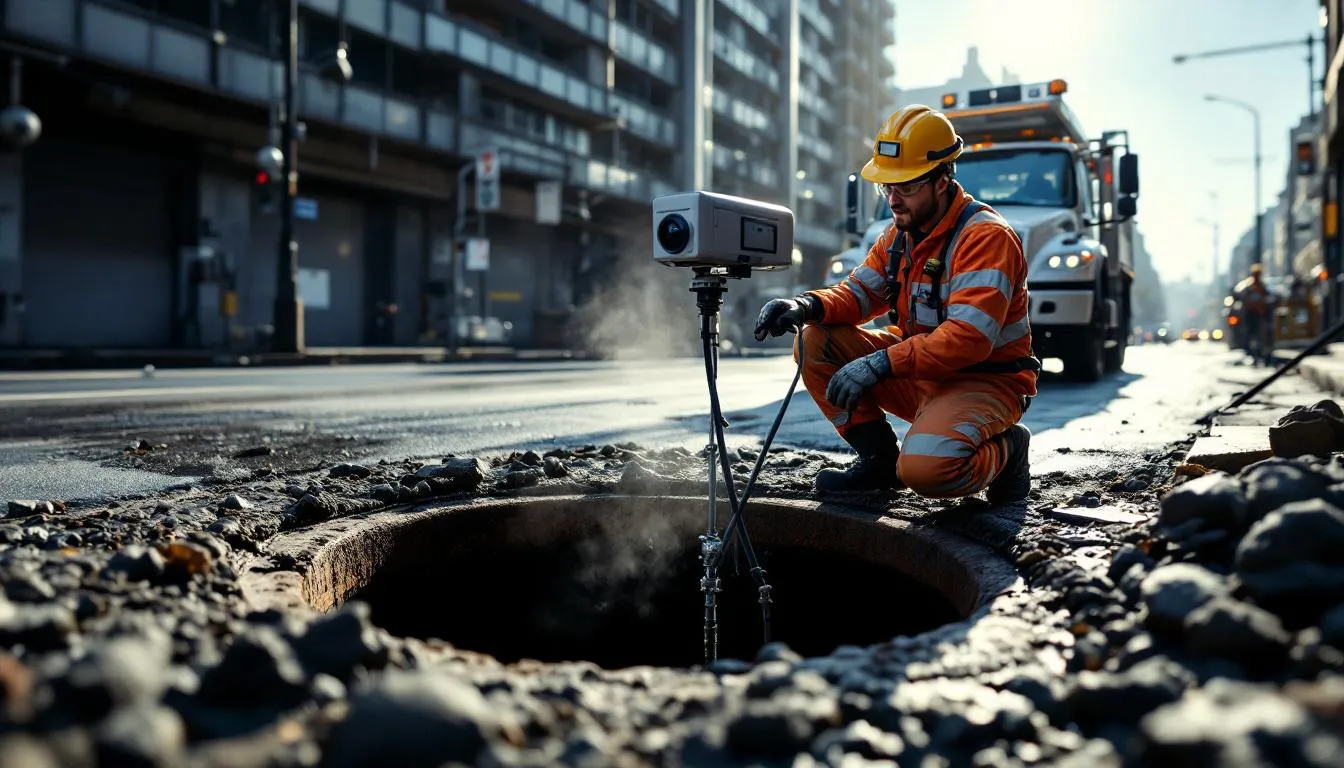
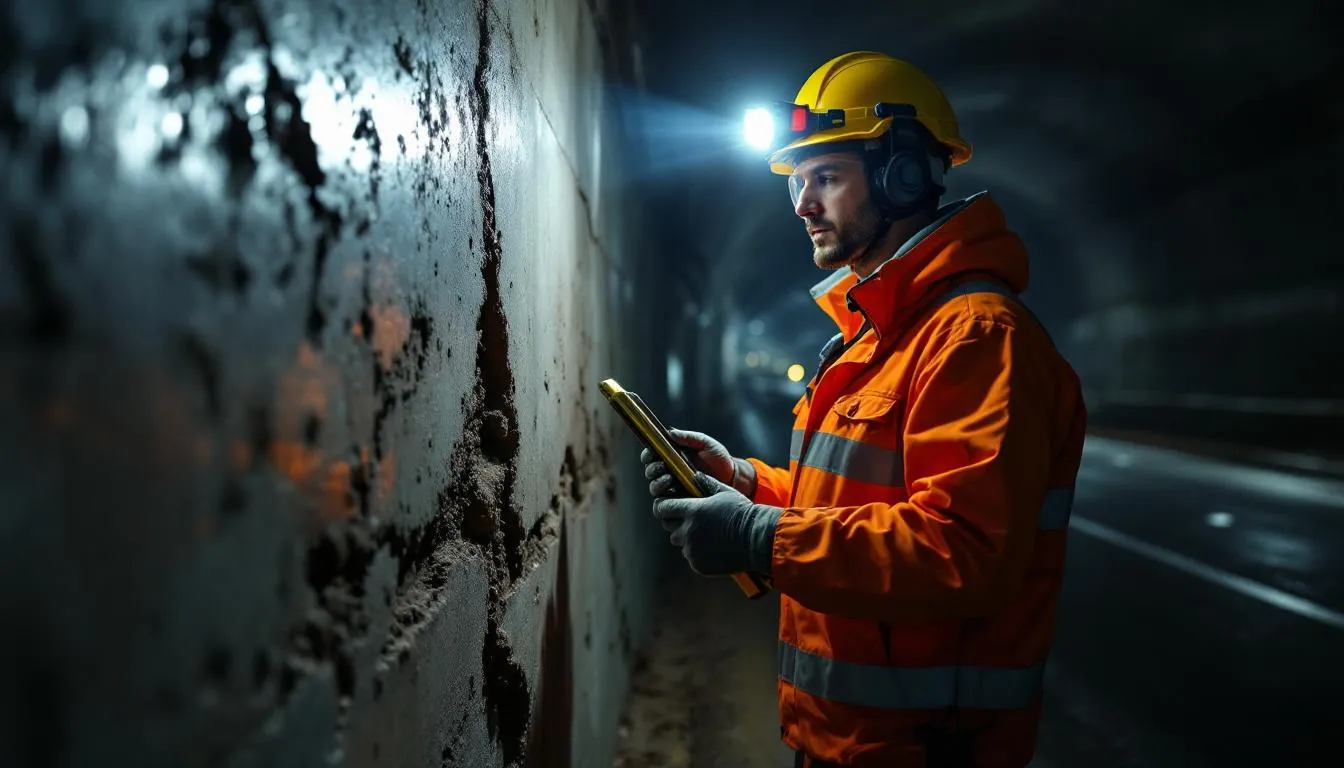
Tunnel inspection is part detective work, part technical documentation. You'll enter confined spaces (road tunnels, rail tunnels, utility tunnels carrying water, gas, or power) equipped with specialized gear, measuring tools, and cameras. You're looking for cracks, water intrusion, structural damage, corrosion, anything that threatens safety or function. The work happens in darkness, damp environments, sometimes with active water flow. You work with engineers, structural specialists, and occasionally divers if the inspection includes underwater sections. The pace depends on the job: some days you're methodical and careful; other days you're racing against a timeline before a tunnel reopens to traffic.
Your day starts with site briefing and safety protocol. You'll suit up in specialized gear: respiratory equipment if air quality is compromised, harnesses if there's fall risk, waders or full diving gear for submerged sections. You enter the tunnel, document its condition photographically, take measurements of cracks and damage, collect samples if needed, and map problem areas. You might use ground-penetrating radar, ultrasonic thickness gauges, or moisture meters depending on what you're looking for. You're recording video, taking notes, filling out inspection reports that engineers will use to determine repair priority. Some days you're crawling through tight access points; other days you're walking through massive tunnel segments. If it's an underwater tunnel or flooded section, you're diving with scuba gear, swimming through tunnels checking for cracks and damage underwater.
You need to be genuinely comfortable in confined, dark spaces without panic. You're detail-oriented: small cracks matter, measurements need to be exact, documentation is everything. You're methodical and patient, willing to spend hours carefully examining one section. Physical comfort with being underwater or in tight spaces isn't optional. You respect safety protocols without needing to be reminded. Impatience, claustrophobia, or carelessness will make you miserable here.
Start with basic confined space certification (CONFINED SPACE ENTRY certification through OSHA or equivalent state program), which takes a few days and costs under $500. If underwater inspection is part of your path, you'll need SCUBA certification (PADI or equivalent) and ideally some commercial diving experience. Most inspectors get in as entry-level inspectors with an engineering firm, utility company, or tunnel maintenance contractor. The job usually requires you to be comfortable in tight, dark spaces and comfortable with water. You'll work alongside experienced inspectors initially, learning the documentation standards and safety protocols. From entry-level, you can move to senior inspector or specialize in specific tunnel types (highway, subway, utility). Most people are earning money within 2-3 months of getting certified and starting work.
This job has a real ceiling on how much time you can spend in confined spaces. Regulatory limits exist for a reason: nitrogen narcosis underwater, air quality degradation, physical and mental fatigue from working in tight, dark environments. You can't do this job 40 hours a week indefinitely without health consequences. Most inspectors work fewer total hours than a typical 9-to-5, but the hours are intense and sometimes emergency-based (tunnel damage discovered, immediate inspection needed). Seasonal variation is real: some regions see less inspection work in winter. You're also dependent on infrastructure funding. Budget cuts mean fewer inspections. And the work is genuinely dangerous: confined space rescues happen, equipment fails, and people have died doing this. You need to take safety culture seriously or find a different job.