Tea Taster
You're a professional taste expert. Tea companies around the world send you samples, you evaluate flavor, quality, and blending potential, and your opinion directly affects what millions of people drink. It's a real job with real demand in specialty tea, and you don't need a degree to start.
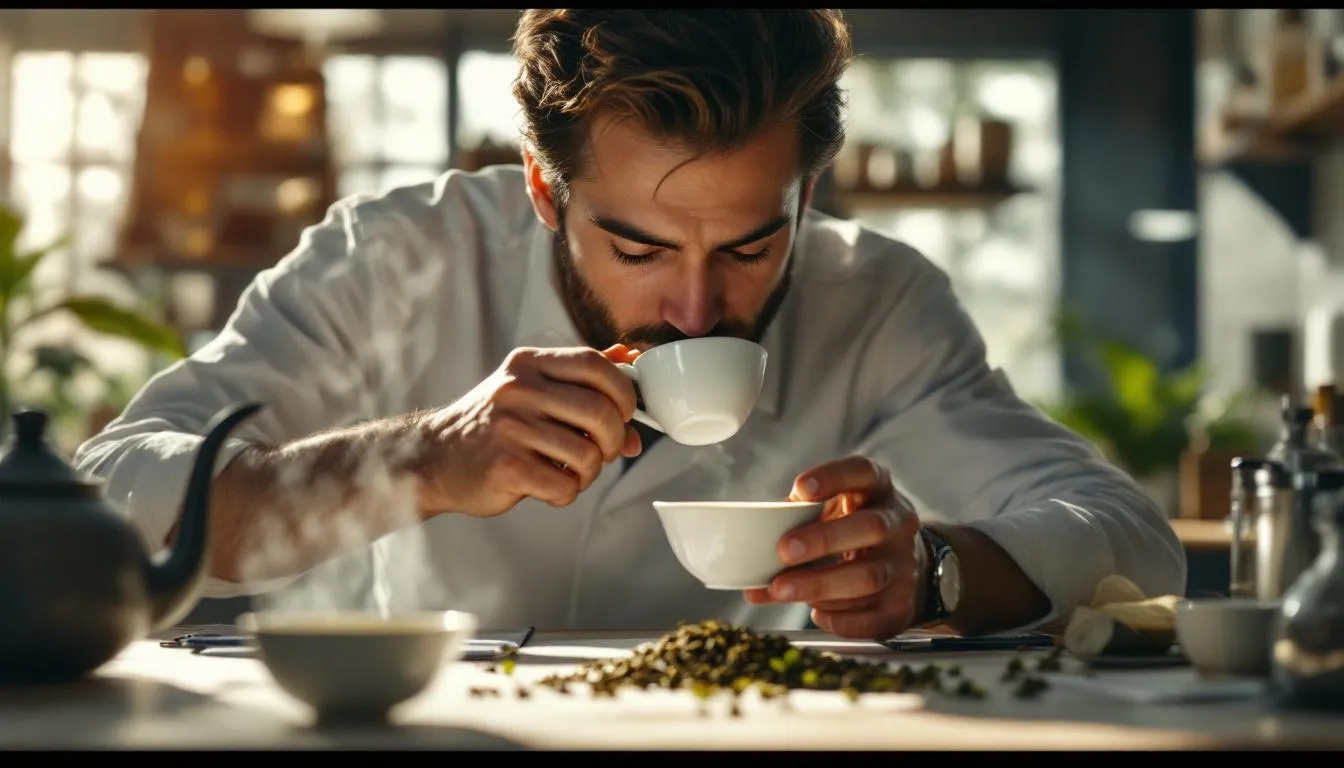
Tea tasting is technical work that looks casual from the outside. You spend your day cupping tea: heating water to exact temperatures, steeping samples for precise times, slurping loudly to aerate the liquid across your palate, and taking detailed notes on flavor, body, aroma, and defects. You work in labs, auction houses, tea estates, or blending facilities. The pace is methodical and focused, not rushed. You're alone with your palate for much of the day, but you're part of a supply chain with producers, buyers, and blenders depending on your accuracy. Most positions are in specialty tea importing, high-end tea brands, or tea origin countries like China, India, Kenya, and Sri Lanka.
Your morning starts with setting up your tasting room. Water temperature matters, so you calibrate brewing stations. You receive tea samples, which could be from new harvests, competitor blends, or quality control checks. You follow a strict protocol: measure leaf, brew at the right temperature for the right time, then taste. Tasting means slurping loudly to coat your mouth and throat, pausing to let flavors develop, and spitting into a dump bucket. You take notes on color, aroma, flavor profile, mouthfeel, finish, and any defects like stalks or dust. You might taste 20 to 50 samples in a day. Between tastings you cleanse your palate with water and sometimes crackers or bread. Afternoons involve writing reports, comparing samples, and recommending blends or grades. You meet with buyers to explain why one lot scores higher than another. You might visit tea estates or auctions to understand where batches come from. Some days you're training your palate by tasting known samples to stay calibrated. Other days you're creating blend recipes by combining different teas and adjusting percentages.
You have a disciplined palate and genuinely care about detecting subtle differences. You're detail-oriented and can sit with repetitive work without getting bored because each sample is different. You're also curious about where tea comes from and how supply chains work, not just the flavor. Patience matters: tasting is slow, methodical work. You're not impatient or easily distracted. The best tasters are humble about what they don't know yet and constantly refine their palate through practice.
No degree required, but you need palate training and technical knowledge. Start by getting certified through the Tea Association of the USA or similar national bodies, which usually requires 2 to 6 months of intensive sensory training. Some programs are online, others in person at tea importers or training facilities. Organizations like the International Tea Committee offer higher-level certifications if you want to move into buying or estate roles. You can also enter through tea companies directly, starting in quality control or production, and move into tasting roles as your palate develops. The fastest path: apply to specialty tea importers or blenders as a quality control assistant, show real interest, and ask for palate training. Build your palate by tasting daily. Join local tea clubs or cupping groups to practice. Some tea companies will train you on the job if you're hired with no experience but genuine interest. Entry typically takes 6 to 12 months from zero to working as a junior taster.
Your palate is your tool and your liability. If you get sick, smoke heavily, drink alcohol before work, or use strong mouthwash, your tasting ability suffers that day. Some tasters limit their personal coffee or wine intake to keep their palate sharp, which isn't everyone's idea of fun. The work is repetitive and can feel isolating. You spend hours alone tasting samples, and not everyone can handle that. Your sense of taste and smell can fatigue if you're not careful about breaks and palate cleansing. Long-term, heavy tea tasting can desensitize your palate, which is why many experienced tasters limit their cupping volume and take breaks. Travel sounds glamorous until you're flying to tea estates on tight budgets for audits. Most positions are in specialty importing, which means slower sales seasons and potential layoffs. The industry is small, so reputation matters hugely. One bad palate call on a big batch and your credibility takes a hit.