Wilderness Ranger
You spend weeks at a time in backcountry so remote that cell service doesn't exist. You're the only person around for miles, responsible for everything from wildlife protection to rescuing lost hikers. Most people will never see the country you work in.
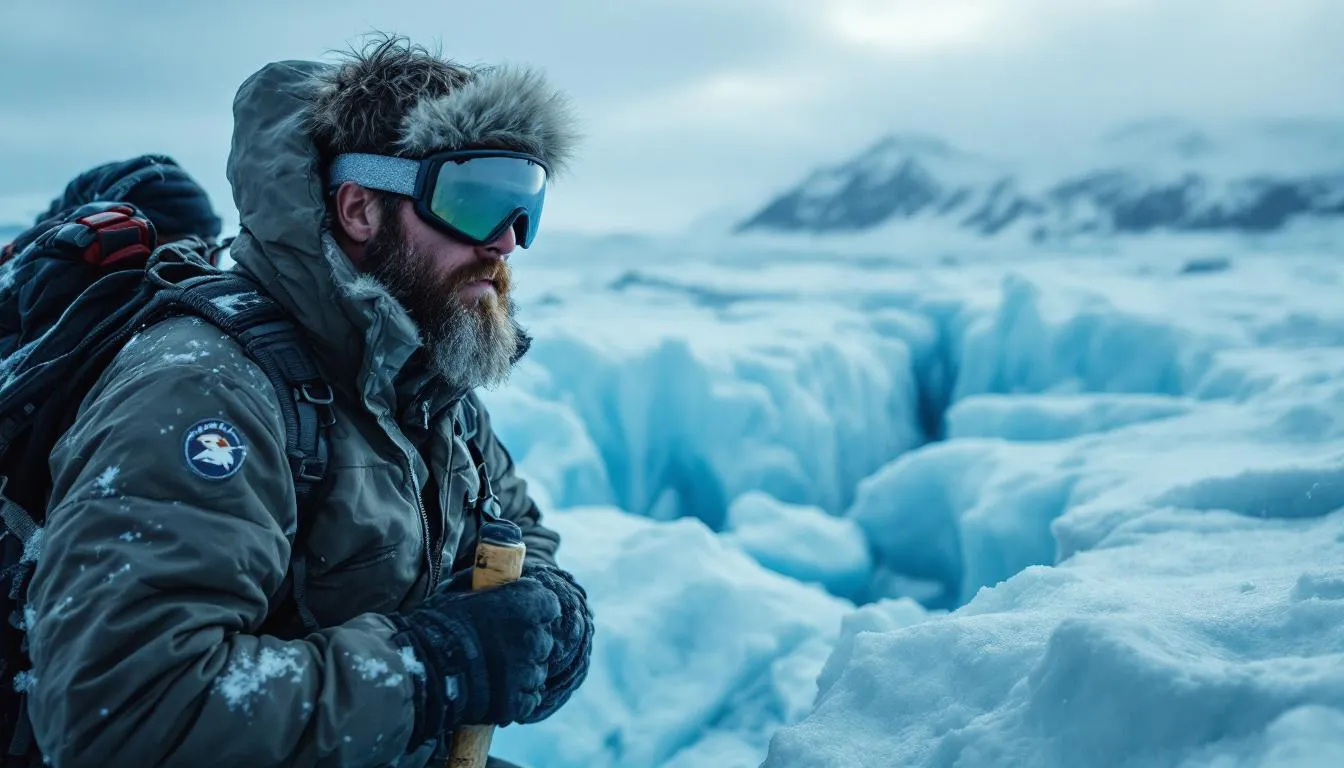
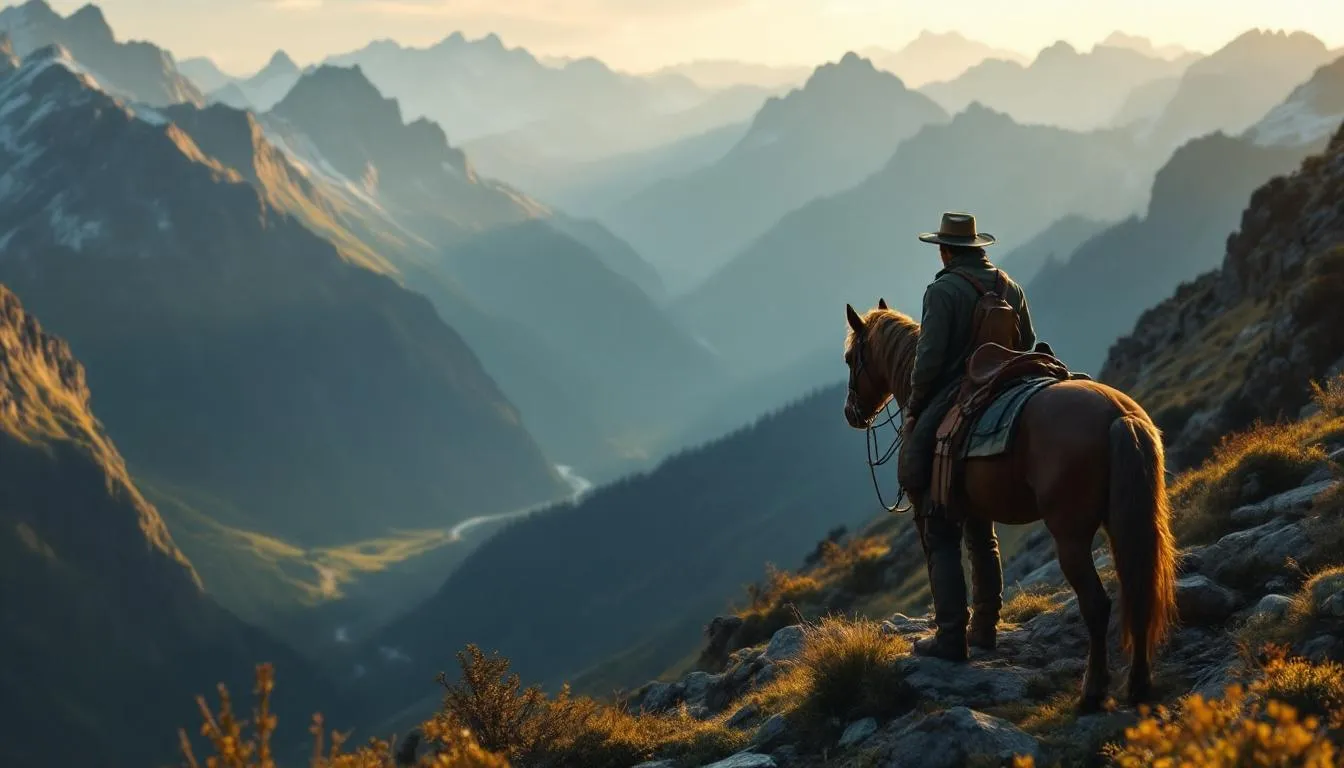
As a wilderness ranger, you are stationed in areas that are intentionally cut off from the rest of the world. Your days split between solo patrols covering 10-20 miles on foot or horseback, campsite maintenance, trail work, and resource monitoring. You might find yourself at a remote cabin for weeks with minimal resupply, managing your own water, food, and fuel. When visitors come through, you manage them. Answer questions, check permits, deal with rule violations. Sometimes you're helping lost hikers or responding to emergencies with only your training and whatever gear you can carry. The work is seasonal in most regions, which means intense summers and winters off. You work for state or federal land agencies, so bureaucracy is real. But out there, the bureaucracy feels very far away.
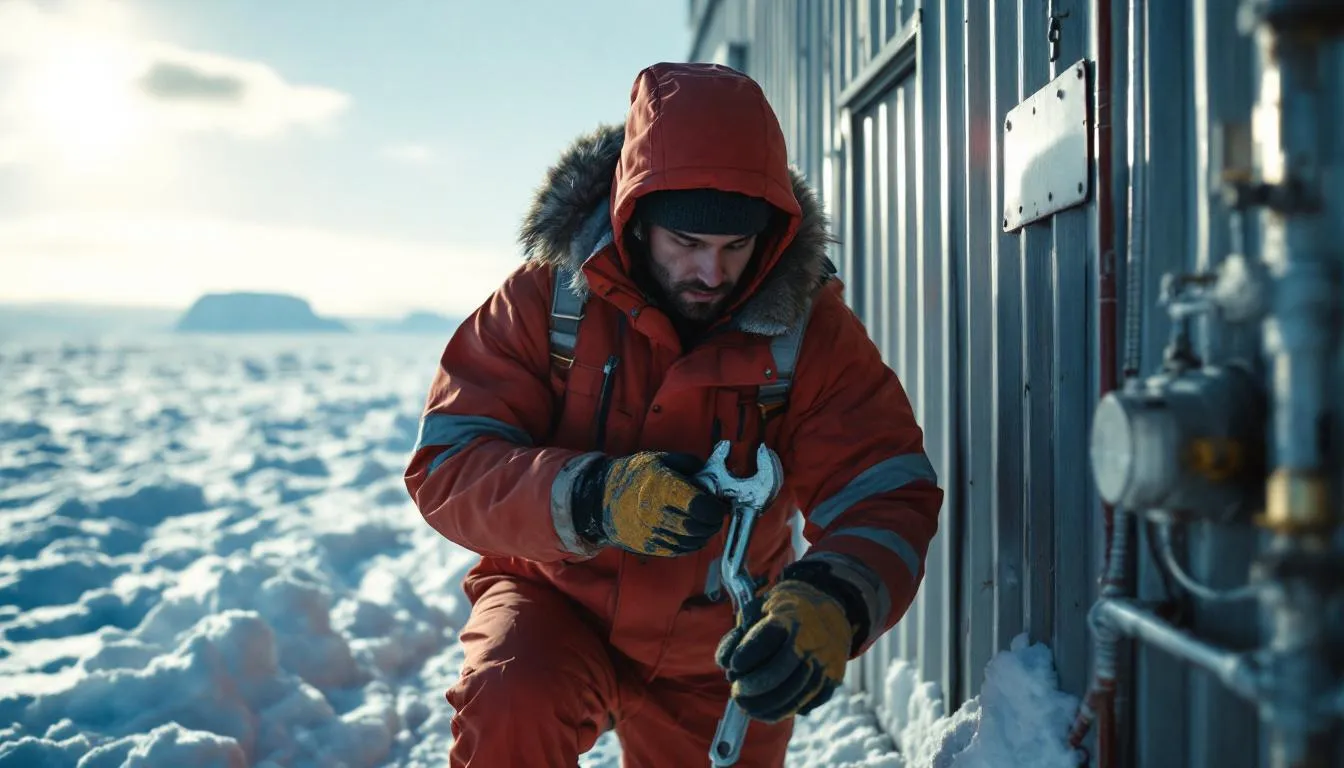
Your routine includes daily or weekly patrols through your assigned territory, covering trails on foot or horseback depending on terrain and season. You're watching for illegal activity (poaching, unauthorized structures, damage), monitoring wildlife populations, noting ecosystem changes, and maintaining trail markers and signs. This is physically demanding work in all weather. When you encounter visitors, you check permits, provide information, and enforce regulations. You handle everything from minor permit violations to serious rule-breaking. You maintain detailed logs of everything you see and do. Trail maintenance falls on you too—clearing deadfall, rebuilding sections, fixing water crossings. In emergency situations, you're the first responder. That might mean navigating someone out of the backcountry, providing first aid with limited supplies, or calling in a helicopter rescue on radio. You also do resource monitoring work: water quality checks, wildlife surveys, invasive species management, and fire prevention patrols. In winter, some positions involve avalanche mitigation or snow survey work. Your camp requires constant upkeep. You manage your own water systems, maintain buildings and equipment, and handle basic repairs. Resupply happens on irregular schedules, so planning and self-sufficiency matter.
You need to be genuinely comfortable alone. Not just okay with it, but someone who actually prefers silence and solitude to constant social interaction. You're self-motivated and disciplined, because there's no boss watching and no immediate consequences for skipping work. You're methodical and detail-oriented, because your reports and observations directly affect management decisions. You're physically tough, not just fit, and willing to push through discomfort. People who do well here tend to be quiet, observant types who respect the land more than they need external validation.
Most wilderness ranger positions require a high school diploma and nothing more, though some agencies prefer some college. You need to be in strong physical shape before you apply because the job will test that immediately. Start by looking at federal land agencies (National Park Service, US Forest Service, Bureau of Land Management) or your state's department of natural resources or parks. Entry-level positions are often called "seasonal ranger" or "backcountry patrol assistant." Applications go through USAJobs.gov for federal positions. State jobs vary by state. Look for positions that list "no experience required" but "ability to work independently in remote areas" and basic first aid/CPR. Many agencies want wilderness first aid certification (WFA or WFAR). Get that before you apply—it's a 2-3 day course that costs $300-500. Horsemanship is a major plus if the job involves mounted patrols, but many agencies will hire you and train you if you show aptitude. Once hired, most positions start you in early spring or summer for training. You'll learn local geography, regulations, wildlife management, search and rescue basics, and equipment operation. Your first season is usually lighter duty with experienced rangers checking your work. By year two, you're running solo patrols. Total timeline from application to independent backcountry work: 6-12 months.
The isolation can hit hard even if you think you want it. Weeks alone with minimal human contact. No internet. No emergency help within hours. Loneliness is real, and the job doesn't recruit for mental toughness around that. Some rangers handle it perfectly. Others don't, and there's not much social infrastructure to catch someone struggling. The work is physically brutal. You're carrying a heavy pack over steep terrain in all weather, every single day. Your knees and back take abuse. Injuries happen far from help, and even minor things become serious problems. Horses are powerful animals and can injure or kill you. The work is also seasonal, which means job security is conditional. Budget cuts can reduce positions without warning. And the pay, while decent, doesn't match the difficulty and isolation. You're doing this for access to wild country, not to get rich.