Airship Crew (Modern Blimp)
You work on blimps. Actual blimps. There are maybe 50 of these jobs in the country, you pilot advertising blimps over stadiums and cities, and the view from the cabin is something most people experience once in their lifetime. It's niche, it pays decently, and the stories alone make it worth considering.
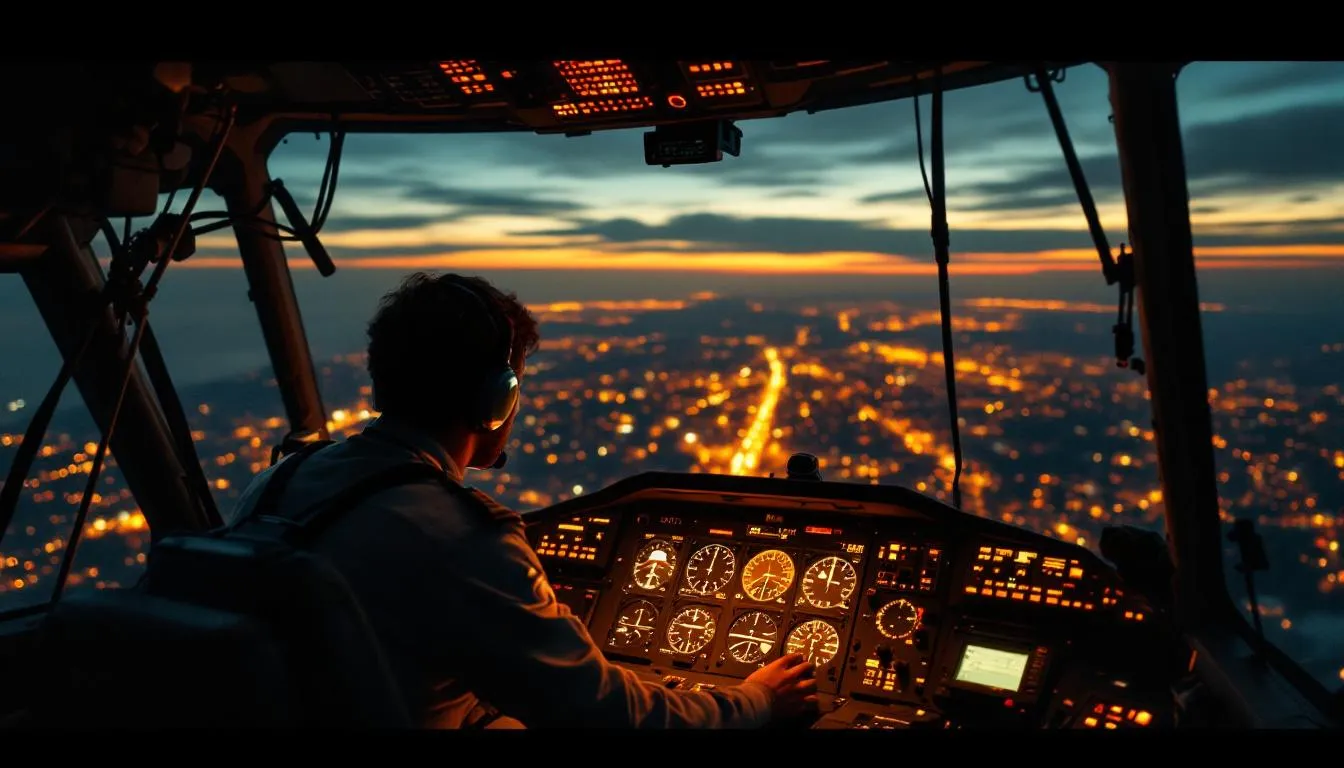
Modern blimp operations are small and specialized. You're part of a 3-5 person crew operating advertising or surveillance airships, often tethered or hovering over stadiums, highways, and downtown areas. The work is methodical and safety-obsessed. You spend significant time in the cabin monitoring systems, managing fuel and ballast, and communicating with ground crews. During events (football games, concerts, major traffic incidents), shifts are long and focused. During off-season or low-activity periods, you're doing maintenance, equipment checks, and training. The work environment is quiet and isolated when aloft, but coordinated and team-focused on the ground.
Your main responsibility is keeping the airship operating safely and on station. That means monitoring pressure, fuel consumption, ballast systems, and weather in real time. You're watching multiple gauges, reading instruments, and communicating constantly with ground crew and air traffic control. You help with pre-flight checks before launch, which includes inspecting the envelope, checking mooring systems, and verifying all mechanical and electrical systems. During flight, you may operate cameras or surveillance equipment depending on the airship's mission. You manage the mooring process when landing, which requires coordination with ground crews to secure the airship safely. You also handle routine maintenance between flights, including checking the netting, valves, and control surfaces. In bad weather, you may need to bring the airship down quickly or reposition it. Some roles include basic piloting responsibilities, though larger operations have dedicated pilots.
You need to be mechanically minded and comfortable troubleshooting under pressure. The job requires obsessive attention to detail; missing a gauge reading or miscalibrating a system can create serious safety issues. You should enjoy isolation and small-team dynamics. Most crews are 3-5 people, so you're not managing a large group. You also need to be patient. The work is methodical, sometimes repetitive, and requires sitting and watching instruments for hours. People who thrive here are curious about how systems work, calm in unexpected situations, and okay with being in a small, specialized field where very few people understand what you do.
There is no standard pipeline because the industry is so small. Most people enter through aviation connections or by being in the right place. Start with a commercial pilot's license if you want to pilot blimps, but many crew positions don't require it. You need an FAA airman certificate at minimum, which requires a written exam and practical testing. Some employers require basic flight training or aeronautical knowledge (available through community colleges or online). Most training happens on the job. The actual employers are companies like Goodyear, Airship Associates, or smaller surveillance operators. These companies are concentrated in a handful of regions. Your best entry path is either applying directly to these operators as maintenance crew or finding flight training that includes airship-specific instruction. Some military training translates well. Once hired, expect 2-4 weeks of intensive company training before your first solo flight responsibilities.
The industry is vanishingly small. There are fewer than 100 operational blimps in the US, and that number is shrinking. Job stability depends entirely on the few companies that operate them and on advertising budgets that fund these floating billboards. You may spend months looking for work, or your employer might fold operations without much warning. The work is seasonal in many regions, which means income is irregular. You're also on-call during event season. If a major sporting event is happening and your blimp is booked, you work that shift regardless of other plans. The isolation can be real; you're often away from ground for 8-12 hour stretches. The cabin is small and cramped. You're also responsible for a piece of equipment worth millions of dollars, which means the safety pressure and liability awareness is constant. If something goes wrong, the incident review and potential grounding of the airship can put your whole crew out of work temporarily.