Boilermaker
Boilermakers build the massive steel vessels that power refineries, power plants, and chemical factories. The work is hot, loud, and physically demanding, but you're doing something that actually matters at scale. This is one of the few trades where you can hit six figures without a degree.
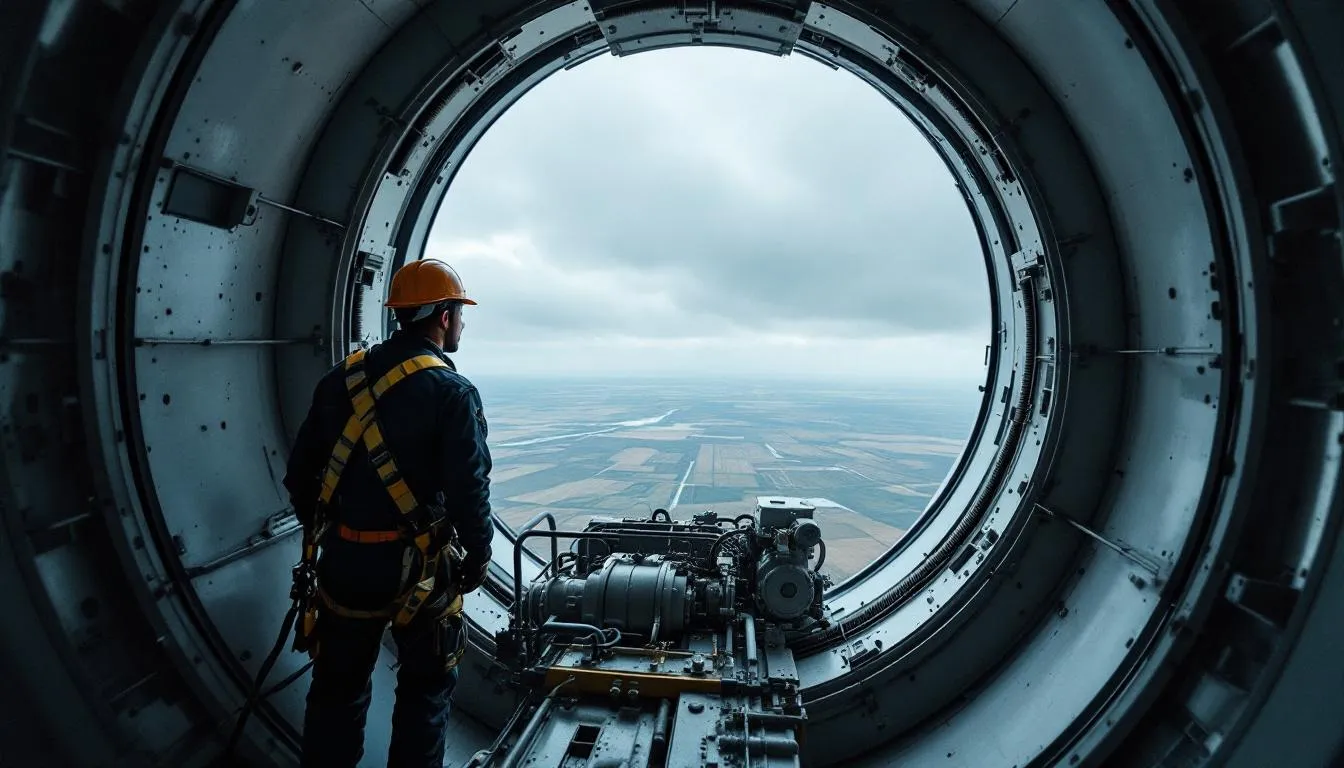
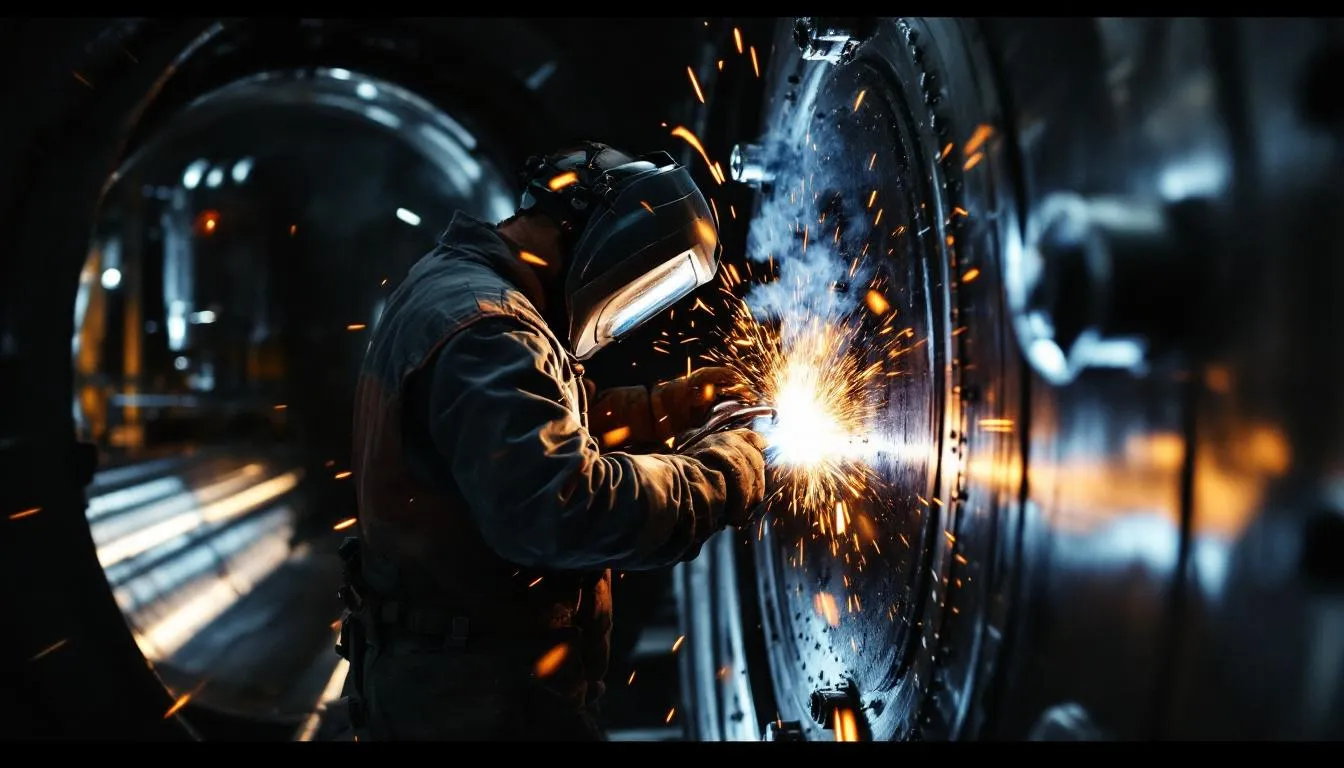
You're working in plants, refineries, power generation facilities, shipyards, and industrial shops where massive pressure vessels are built and repaired. The work is physically intense: you're welding in tight spaces, fitting steel plate, handling heavy equipment, and often working at heights or in confined spaces where temperatures push past 120 degrees. You work alongside other boilermakers, welders, and laborers, and the pace varies wildly depending on whether you're in fabrication mode (building from scratch) or maintenance mode (fixing what broke). This is not an office job in any universe.
On a typical day, you might lay out templates on steel plate, cut and shape sections with a torch, then fit and tack-weld pieces together before permanent welding. You inspect seams, check tolerances within millimeters, and use specialized tools to ensure pressure ratings are met. Some days you're in a shop working in a controlled environment. Other days you're on-site inside a live industrial facility, working around operating equipment, following strict safety protocols, and coordinating with multiple trades. You'll read blueprints constantly, problem-solve on the fly when something doesn't fit as planned, and maintain documentation that proves the vessel meets code. The welding you do requires precision and steady hands. The fitting requires spatial reasoning and strength. You're moving between both constantly.
You need hands-on problem-solving ability and the ability to work with precision while staying calm under pressure and heat. Boilermakers who advance are the ones who read blueprints without needing everything explained, catch their own mistakes, and care about quality in their welds because they know someone's safety depends on it. You should be comfortable with physical discomfort, able to fit into tight spaces, and willing to travel for work when the job demands it. Pride in craftsmanship matters here in a way it doesn't in many jobs.
Start by getting into a boilermakers union apprenticeship. The International Brotherhood of Boilermakers (Local unions across North America) runs the main pipeline. Most require a high school diploma or GED, pass a math assessment, pass a background check, and be at least 18. The apprenticeship is typically 4-5 years of paid on-the-job training combined with classroom instruction covering welding, fitting, blueprint reading, and pressure vessel codes. Pay starts around $20-25/hr as an apprentice and climbs as you progress. Some people enter through a shop as a general laborer first, then apprentice through the union. After apprenticeship, you're a journeyman and eligible for union work at full rates. Some boilermakers get additional certifications in specialized welding (like X-ray certification or underwater welding) which opens higher-paying doors. The apprenticeship itself is the gatekeeper, not a degree.
This job will wear your body down over decades. Welding and grinding create fumes and particulate, and even with a respirator, decades of exposure adds up. Your joints take a beating from holding awkward positions in confined spaces, and the heat stress is real. You're often working in industrial environments around moving machinery, and a mistake or inattention can kill you or someone near you. The work is boom-and-bust: you might work 70 hours a week for six months on a major plant overhaul, then have three weeks of light work or layoff before the next project ramps up. Union work is generally stable, but recessions hit heavy industry hard and apprentices get cut first. Travel is expected, especially early in your career. You'll be away from home for weeks or months at a time on out-of-town jobs. And the learning curve is steep: the first two years as an apprentice are grinding, and you won't feel competent until year three or four.