Commercial Diver
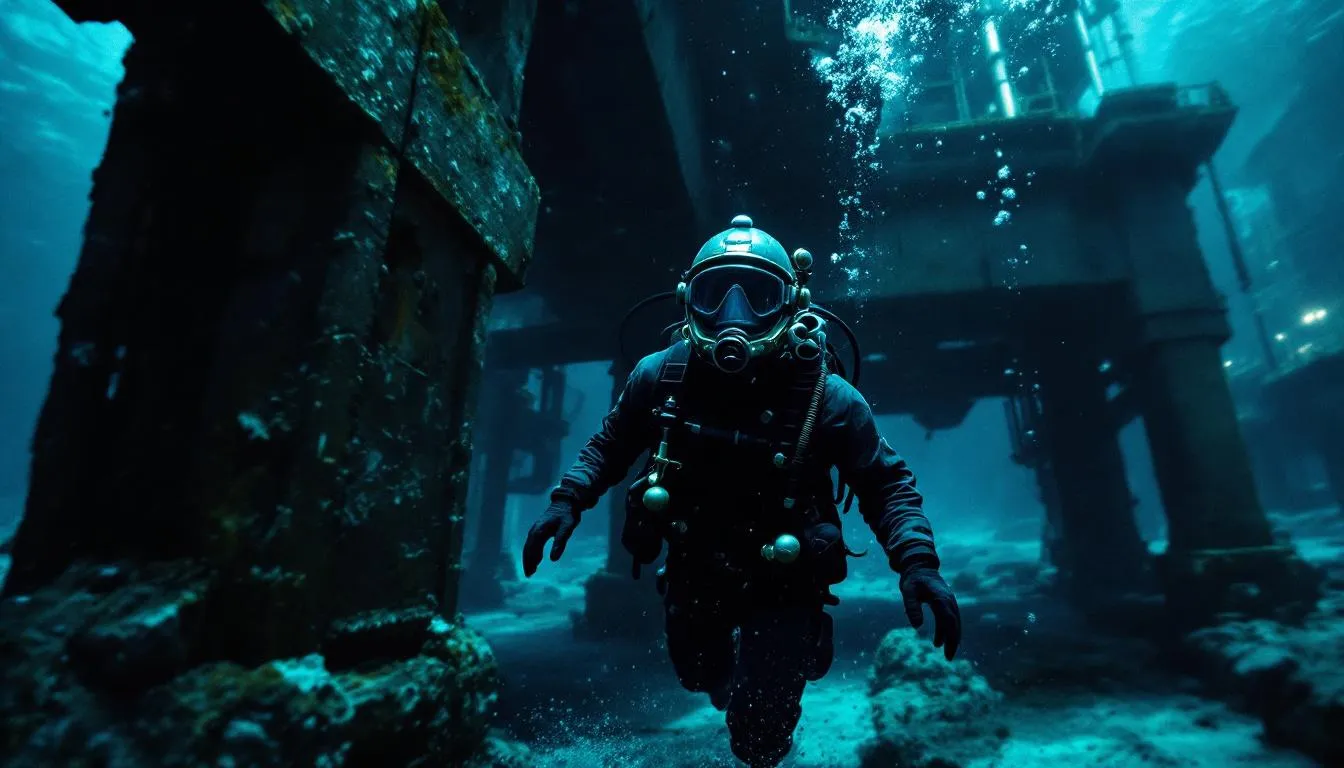
You're underwater fixing oil rigs, inspecting bridge pilings, or welding sub-sea pipelines. The work is dangerous, skilled, and pays $60k-$150k+ annually. Commercial divers are in demand because there's no shortage of underwater infrastructure that needs hands.
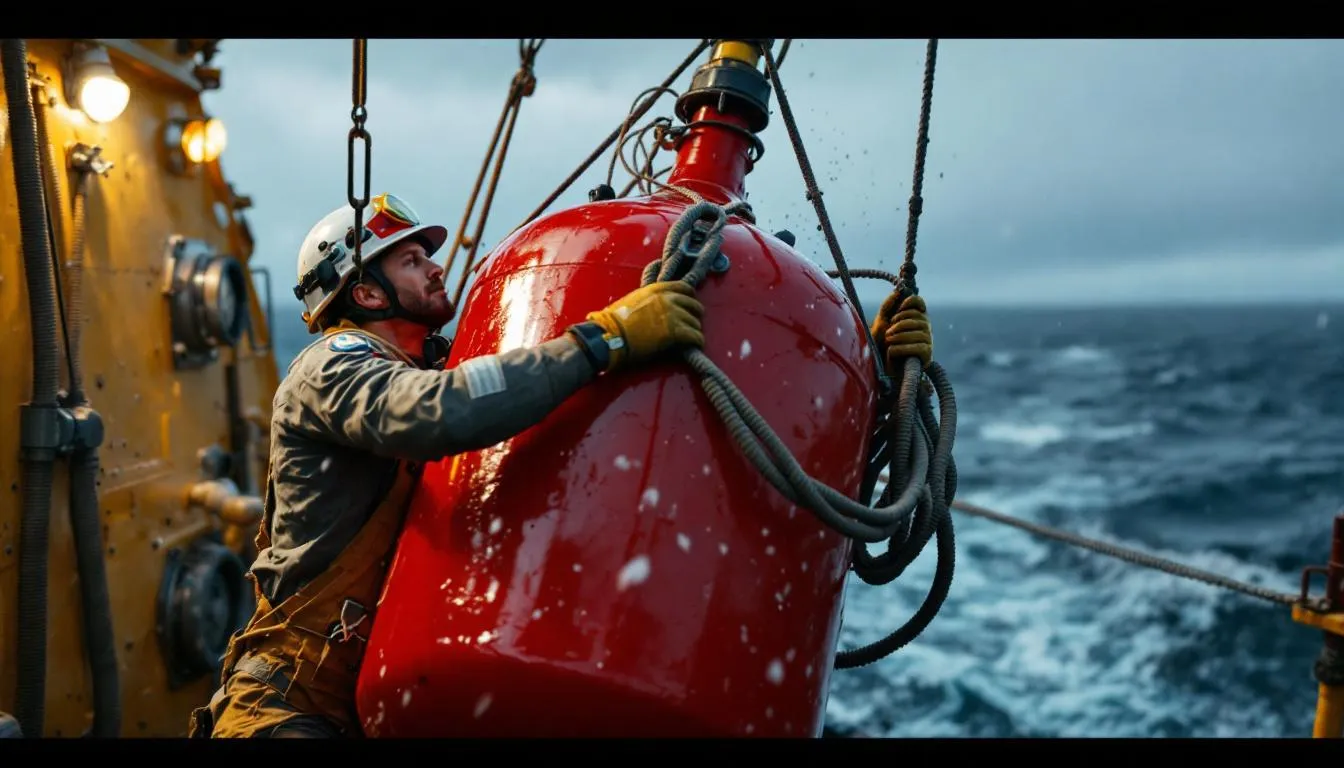
Commercial diving is offshore or in rivers and industrial settings. You work in teams: divers, dive tenders, supervisors, and safety personnel all depend on each other for survival. The work happens in cold water, zero visibility sometimes, under pressure that would kill you if protocols slip. Most days you're geared up, going down, and doing skilled work against a deadline. Some jobs are routine inspections. Others involve cutting, welding, or structural demolition underwater. The pace varies wildly. Offshore saturation dives can mean weeks away from home, living on a platform or vessel, working in shifts. Inland jobs, like bridge inspection or tank repair, are often day trips. Either way, you're on-call and weather-dependent. A storm shuts down all diving immediately.
Your day starts with gear checks and safety briefings. You inspect your dive suit, regulators, tanks, and communication lines. Nothing gets rushed. Before descent, you review the job plan with your tender and supervisor. On bottom, you perform the actual work: inspecting welds or concrete, cutting away corroded material, installing or removing bolts, measuring damage, taking photos, or operating tools. You communicate constantly with the surface team through an umbilical line. Work tempo depends on depth and task. Shallow water (20-40 feet) might feel almost normal underwater. Drop to 100 feet and nitrogen narcosis hits hard. Your thinking slows. Tasks take longer. You have to manage your air consumption, your mental clarity, and the job itself simultaneously. Deeper work, especially saturation diving, flips the script: you live in a pressurized chamber, decompress slowly, and work extended shifts at depth because coming up and going back down repeatedly would kill you. Not all jobs are offshore. Some involve confined spaces: industrial tanks, sewage systems, underwater culverts. Visibility can be a few inches. You work blind using feel and instruments. Other work is in rivers where current is a constant hazard. Every job requires precision and calm under pressure. One mistake and people die.
You need to be mechanically competent and genuinely comfortable in water. Fear doesn't work here. You also need discipline and the ability to follow complex procedures perfectly every time. Commercial diving attracts people who like physical work and high stakes. You should be unflappable under pressure, detail-oriented, and capable of working alone underwater while maintaining constant communication with your team. The best divers are calm problem-solvers who don't panic when something unexpected happens 80 feet down.
Start by getting your basic SCUBA certification (PADI or equivalent), but that alone won't make you a commercial diver. Enroll in a commercial diving school accredited by ADCI (Association of Diving Contractors International) or recognized by regional diving boards. Programs run 6-12 weeks and cost $5,000-$15,000. You'll learn surface-supplied diving (not just tank diving), mixed gas systems, decompression tables, safety protocols, and emergency procedures. During training, you'll learn that commercial diving is vastly different from recreational diving. The depths are deeper, the equipment is heavier, the consequences are real. After certification, apply to dive contractors. Many start you as a dive tender (the support person on surface) before moving you toward diver status. Tendering gives you time to learn the culture, understand protocols, and prove you won't panic. Within 6-12 months as a tender, if you're solid, you'll start doing actual dives. Entry-level dives are shallow and routine. As you log hours and gain experience, you'll move to deeper work and specialized tasks. The ADCI certification must be maintained through continuing education and logged hours.
Commercial diving shortens careers. Decompression sickness (the bends), nitrogen narcosis at depth, oxygen toxicity, and long-term pressure exposure take tolls. Experienced divers develop joint problems, hearing loss, and chronic pain. The work is dangerous. People die. Equipment failure, miscalculation, weather changes, or human error kills divers regularly. You live with that knowledge. Time away from home is brutal if you're offshore. Three weeks on, one week off is standard. You miss holidays, kids' events, and life events back home. The transient lifestyle attracts certain people and destroys relationships for others. On land, there's also feast or famine work cycles. Offshore projects mean steady income for months. When they end, gaps happen. Inland work is more seasonal and weather-dependent. You need financial discipline to survive the dry months.