Underwater ROV Pilot
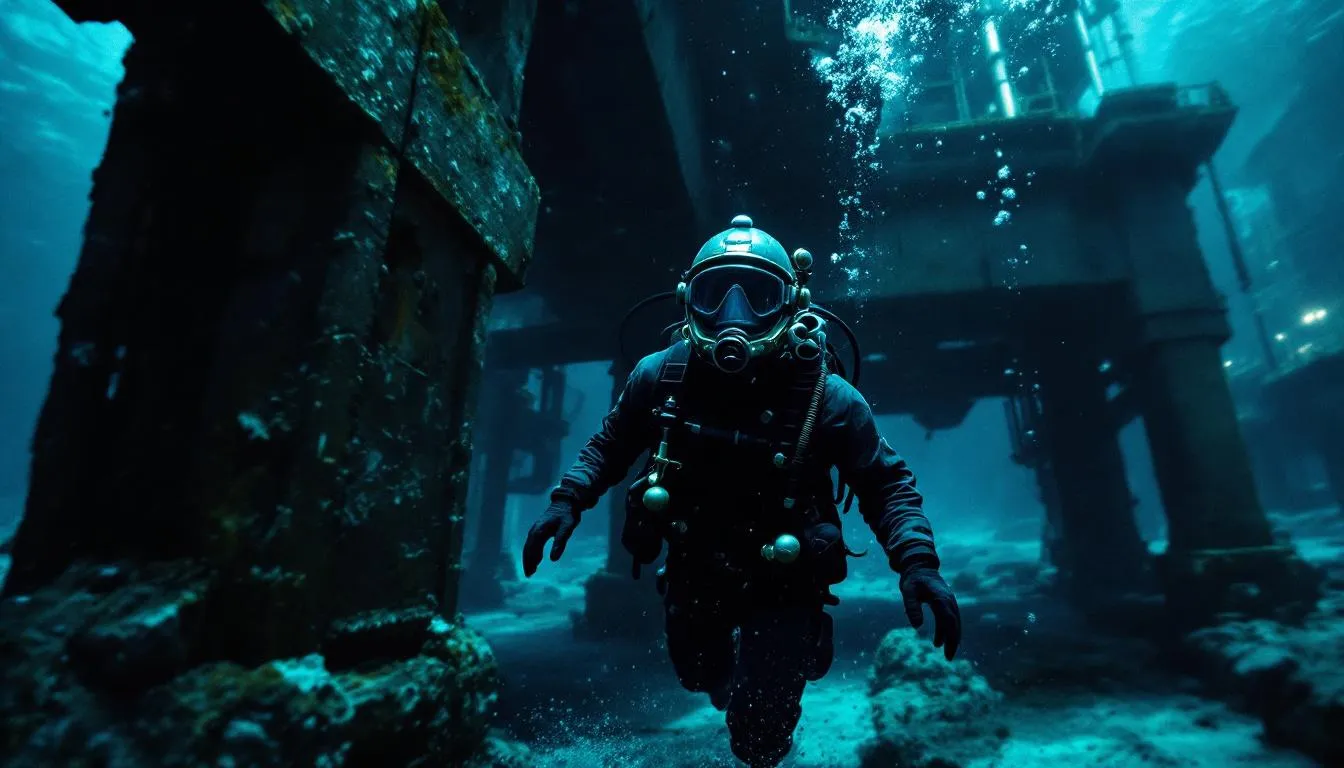
ROV pilots operate machines worth more than most houses through shipwrecks, oil pipeline networks, and ocean floors that no human has ever physically touched. You are the eyes and hands of every engineer, scientist, and salvage team that needs something done where a diver cannot go. The footage you collect and the work you complete happens in places most people will never see in their lifetime.
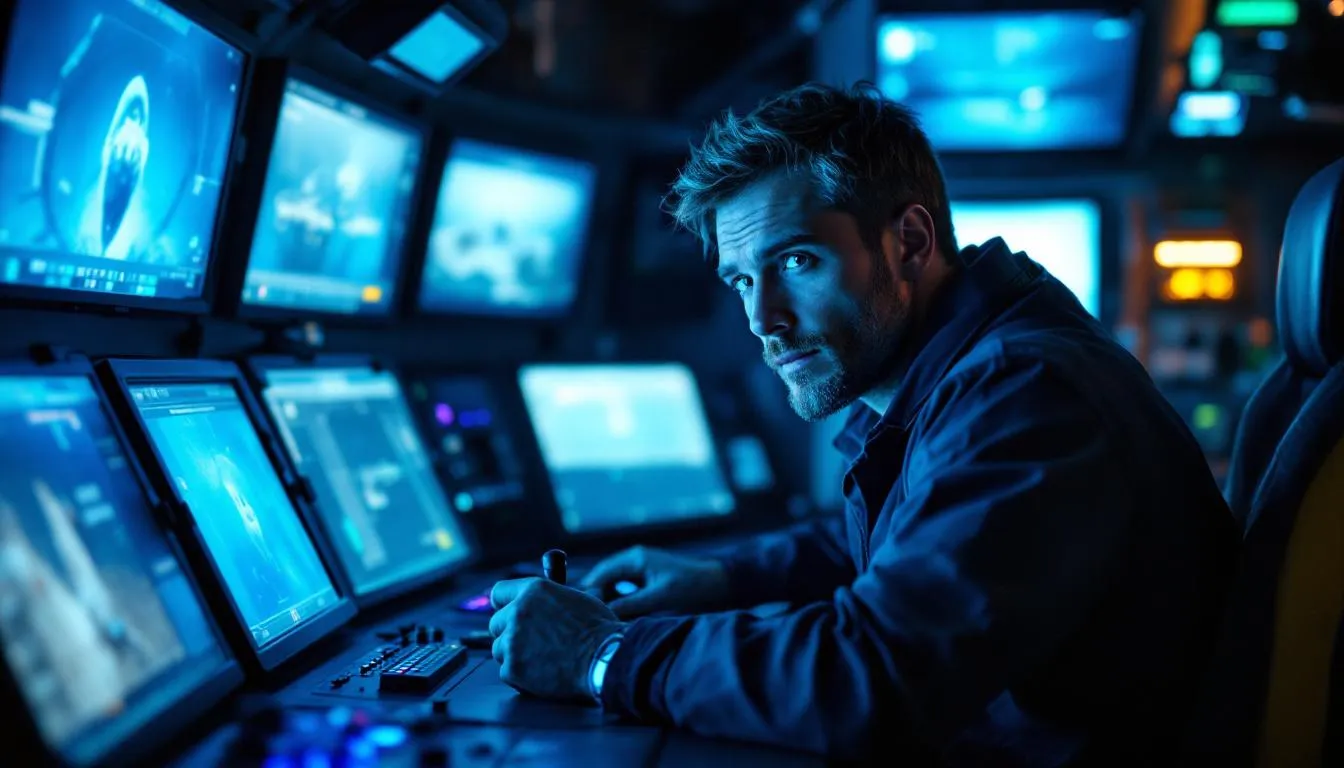
Most ROV pilots work offshore on support vessels, anywhere from shallow coastal waters to deepwater oil and gas platforms in the Gulf of Mexico, North Sea, or West Africa. You spend your shift in a control van or operations room on the vessel, running joysticks, reading sonar screens, and watching camera feeds while the ROV works hundreds or thousands of feet below you. The job is technical and focused, and it demands your full attention when the machine is in the water. The pace swings hard between intense and slow. During an active dive, you are tracking position, managing tether, communicating with the deck crew, and logging everything you see. Between dives, you are maintaining equipment, checking systems, and getting ready for the next deployment. Offshore rotations are typically two weeks on, two weeks off, and the vessel does not stop because you are tired or the weather is rough. You work closely with other ROV techs, a supervisor, and whoever is directing the job offshore, whether that is a pipeline engineer, a marine archaeologist, or an oil company rep watching over your shoulder. This is not a solo job. Clear communication and keeping your cool when something goes wrong underwater is part of it.
On a typical dive, you launch the ROV from the vessel, fly it down to depth, and carry out whatever the job requires. That might be inspecting a section of subsea pipeline for corrosion or damage, surveying the seafloor ahead of a construction project, recovering a piece of equipment that slipped off a deck, or documenting the condition of a wellhead. You follow a dive plan but you also have to improvise when currents shift or the ROV encounters something unexpected. Between piloting, you spend real time on maintenance. ROVs are complex machines with thrusters, cameras, manipulator arms, sonar units, and lights, and they take a beating in saltwater. You flush systems, check seals, swap out components, review data logs, and troubleshoot faults. If something breaks mid-dive, you either fix it on the fly or bring the vehicle back up and sort it out. Keeping the machine operational is as much of the job as flying it. On longer or more specialized projects, you might run survey work where the ROV follows a grid pattern collecting sonar or video data for hours at a time. You monitor the system, make adjustments for current and depth, and make sure the data quality is good enough to be usable. Some pilots also train newer crew members and take on senior or supervisor roles after a few years.
People who are genuinely good with machines and actually enjoy troubleshooting, not just tolerating it. If you are the type who reads about how something works because you want to understand it, not because you have to, this fits. You also need to handle long stretches of focus without losing sharpness, because a bad input at depth can put a very expensive machine on the seafloor permanently.
There is no single required path, but most people get in through one of two routes: a dedicated ROV training program or a background in a related technical field like marine electronics, hydraulics, or subsea engineering. Programs like The Subsea Group in Houston and Underwater Technology College in Scotland run courses specifically designed to get people job-ready. These programs typically run a few months and cover ROV systems, hydraulics, electronics, and basic seamanship. They cost money, so look into whether employers in your target sector offer sponsorships or whether financing is available. A lot of pilots also come up through the Navy or commercial diving with a shift toward ROV work, but neither is required. What matters to employers is that you understand hydraulics and electronics, can troubleshoot under pressure, and have some documented experience with the machines. Getting your BOSIET offshore survival certification and your STCW basic safety training is effectively mandatory for any offshore ROV work and should be treated as the minimum ticket to punch before you start applying. GWO Basic Safety Training matters if you are looking at offshore wind work specifically. Entry-level positions are usually ROV technician or pilot tech roles. You will not be solo at the controls on day one. Expect to assist senior pilots, handle maintenance, and work your way into flying time over the first year. Most people are earning real money within 12 to 18 months of completing training and landing their first offshore rotation.
The offshore rotation sounds good on paper until you have done a few of them. Two weeks on a vessel in the North Sea or the Gulf in bad weather is not a vacation, and the 12-hour shifts do not stop because conditions are rough. Some people find the isolation manageable, others burn out on it faster than they expected. Missing events at home, being unreachable for days at a time, and watching relationships strain under the schedule is real and common. The industry is also tied tightly to oil and gas, which means work can dry up fast when energy prices drop. The offshore wind sector is growing and pulling some demand, but ROV work is still cyclical. Experienced pilots with good reputations tend to ride out the slow periods better, but early in your career a market downturn can mean you are sitting at home without a rotation and your savings are the only thing keeping you going. Build a cushion before you need it.