Explosive Ordinance Disposal (Civilian)
You find a suspicious package at an airport. You're the one who figures out what it is and whether it goes boom. Most people never see this side of public safety, but EOD techs deal with real explosives in real time. The pay is solid, the training is intense, and you'll never have a boring day at work.
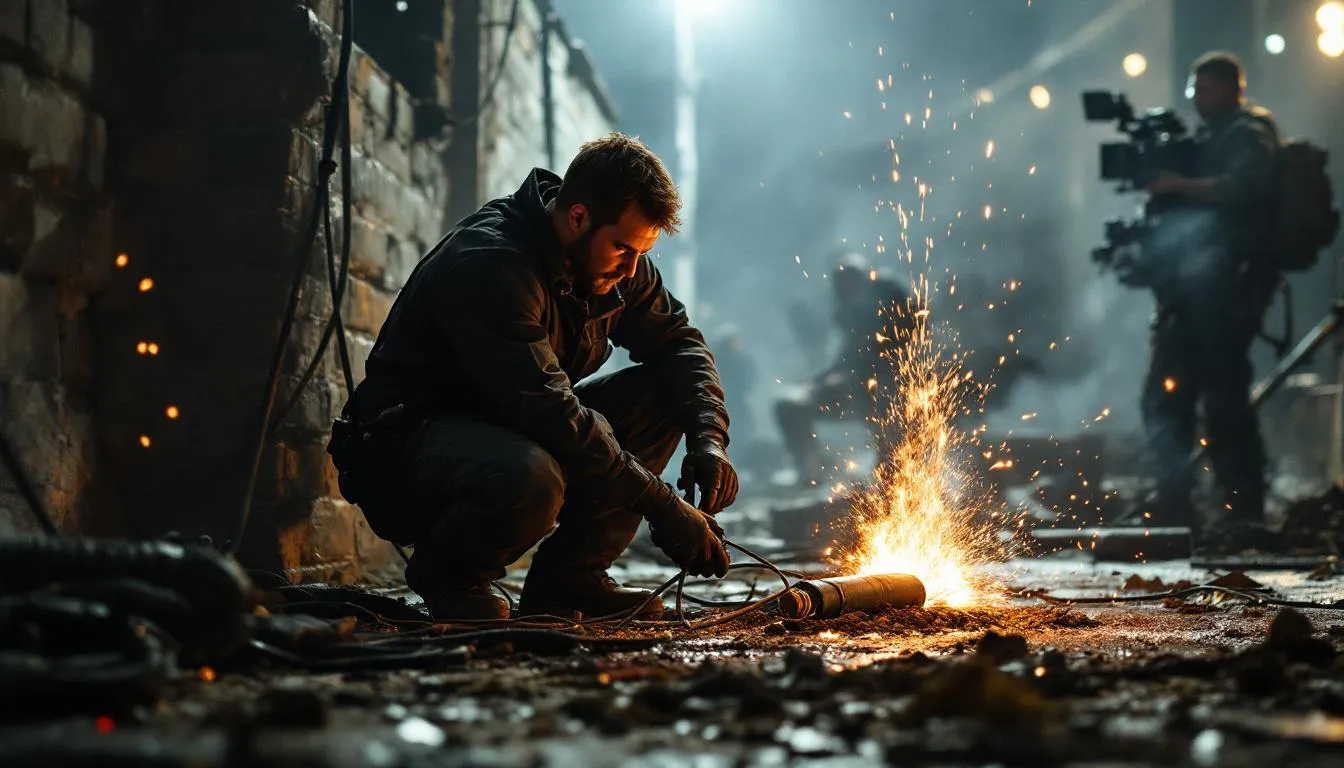
Explosive Ordnance Disposal is reactive work. You're on call or scheduled for shift work with agencies like the FBI, Homeland Security, ATF, or local bomb squads. When something suspicious shows up at an airport, courthouse, construction site, or public event, you roll out with your team. The actual bomb-handling happens in controlled conditions or in the field depending on the threat level. You work with federal agents, local law enforcement, and sometimes military liaisons. The pace swings between waiting and high-intensity focus. You spend time on routine calls that turn out to be nothing, and sometimes you handle the real thing.
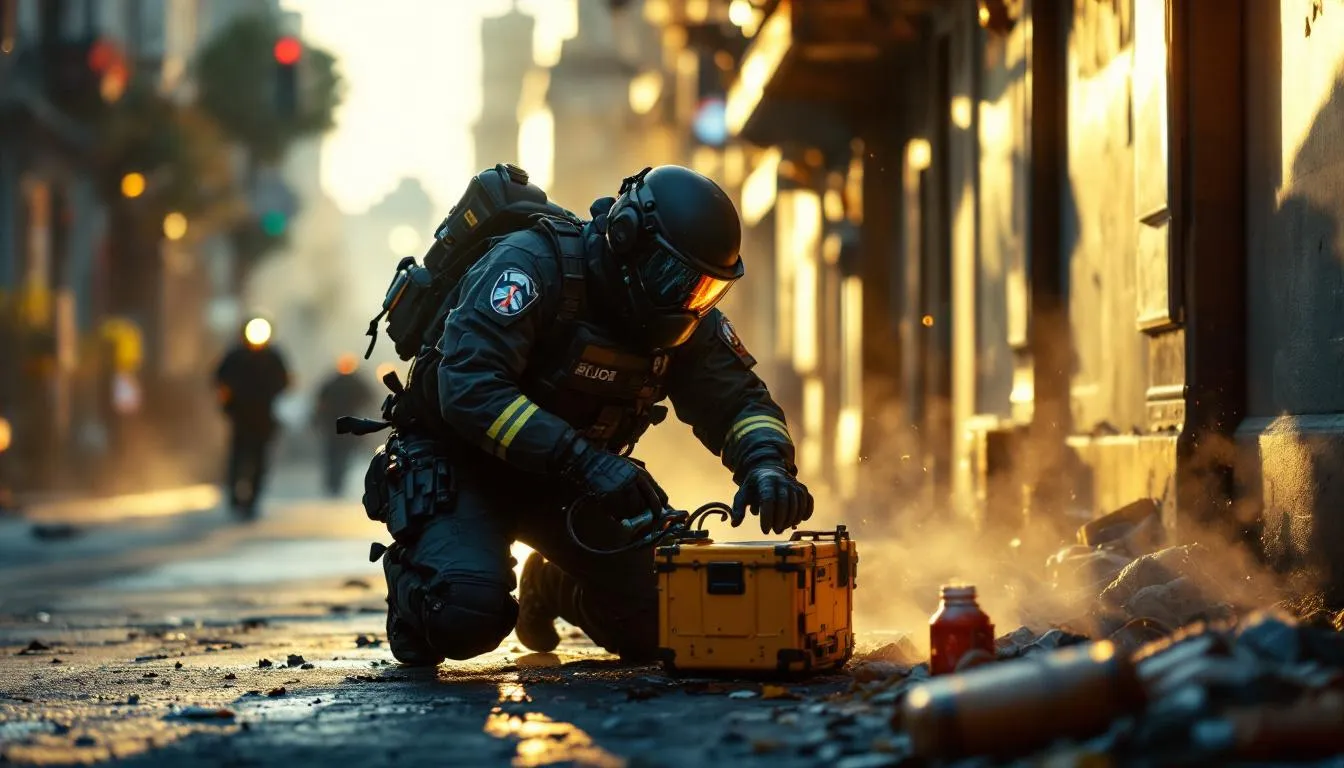
Your day depends on the call. If you're at a station, you're running diagnostics on gear, studying threat assessments, and staying sharp on procedures. When a call comes in, you respond to the scene with detection and protective equipment. You visually assess the object or device from a safe distance first, using tools like X-ray equipment or robots to get a clearer picture without touching anything. You document everything photographically and verbally for the record. If it's a confirmed threat, you either render it safe by disabling components, move it to a containment area, or call for an evacuation and controlled detonation. If it's a false alarm, you clear the scene and document that too. Between calls you're training constantly: running scenarios, studying new explosive types, maintaining certifications, and staying current on tactics. You also do community outreach, give briefings to other agencies, and testify in court about devices you've handled.
You need a high tolerance for stress without needing adrenaline to feel alive about it. EOD isn't a thrill-seeking job; it's a precision job where panic is the enemy. You also need genuine attention to detail, the ability to stay calm when every agency on scene is looking at you to make the call, and comfort working alone or with a tight team in high-stakes moments. People who are methodical, unflappable, and intellectually curious about how things work do well here. You can't have an ego about being wrong; if something doesn't check out, you call for evacuation, and that's the right call.
You need to come in with a military EOD background or complete a civilian EOD certification program. The military route is fastest if you served as an EOD tech in any branch. If you didn't serve, civilian paths include the FBI's EOD training academy (highly competitive, requires law enforcement or military experience first) or specific certifications through organizations like the Institute of Makers of Explosives (IME). Most federal and local bomb squads require you to complete a formal EOD school that runs 3-6 months and covers explosive recognition, safe disarming techniques, and real-world scenario training. Some agencies hire people with strong military explosive handling experience and put them through additional civilian-specific training on the job. Starting typically requires a Top Secret clearance, so background checks are thorough. Once certified, you can work for the FBI, ATF, Homeland Security, local police departments, or private security firms that handle sensitive facilities.
The mental weight is real. You see threat patterns in everyday objects for years after you start. You also carry the weight of decisions: if you miss something, people die. Most EOD techs develop a dark sense of humor as a coping mechanism, which helps in the culture, but it doesn't erase the pressure. The job also involves a lot of waiting and routine calls mixed with rare high-stakes moments, so you can't stay in a state of constant focus. Some agencies have poor support for PTSD or vicarious trauma, so you need to actively manage your mental health and seek resources yourself. The training pipeline is long and the failure rate is high, so getting in requires persistence. Once you're in, there's also limited mobility if you want to leave the field; your skills don't transfer cleanly to civilian tech work, so you're either in EOD or retraining for something else.