Foley Artist
Every footstep, creaking door, and rustling jacket you hear in a movie was performed live by a person in a studio, often using objects that have nothing to do with the actual sound. A Foley artist once recreated the sound of a bone breaking using a stalk of celery. That's the job.
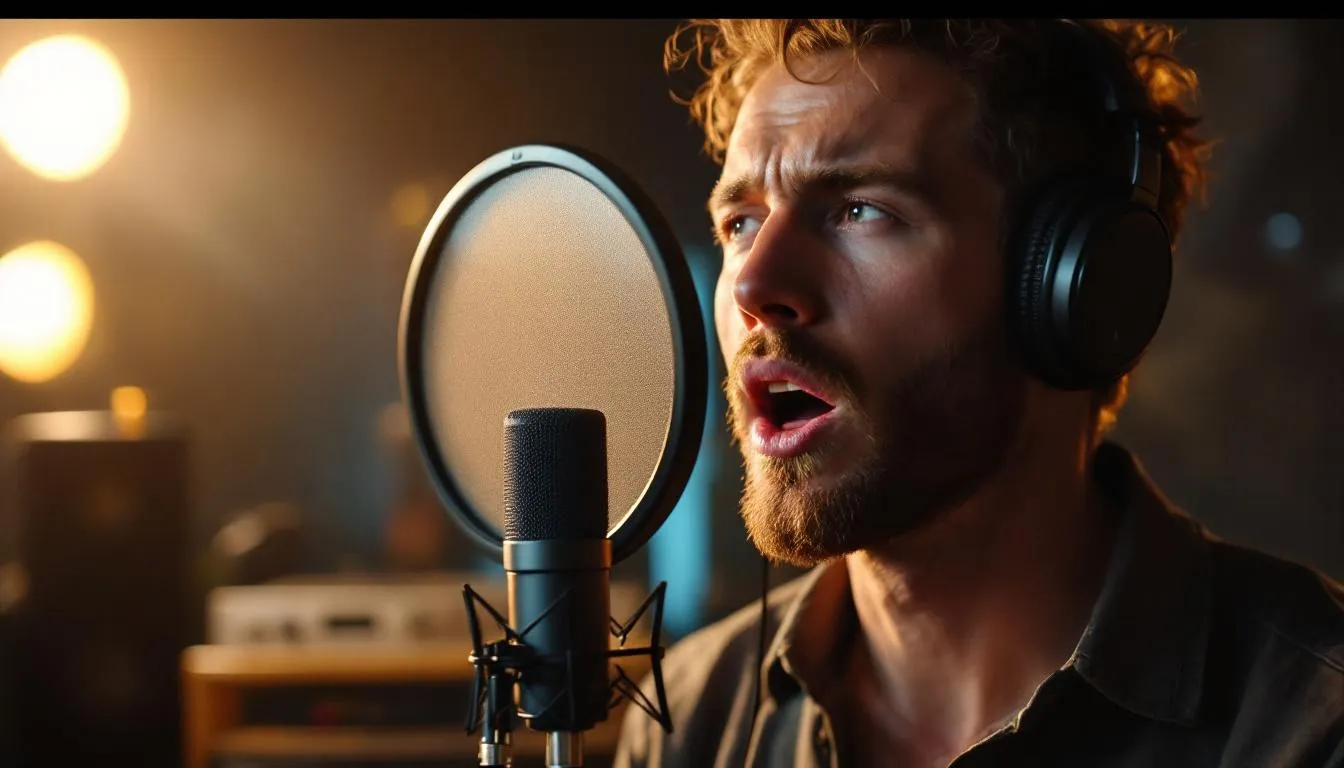
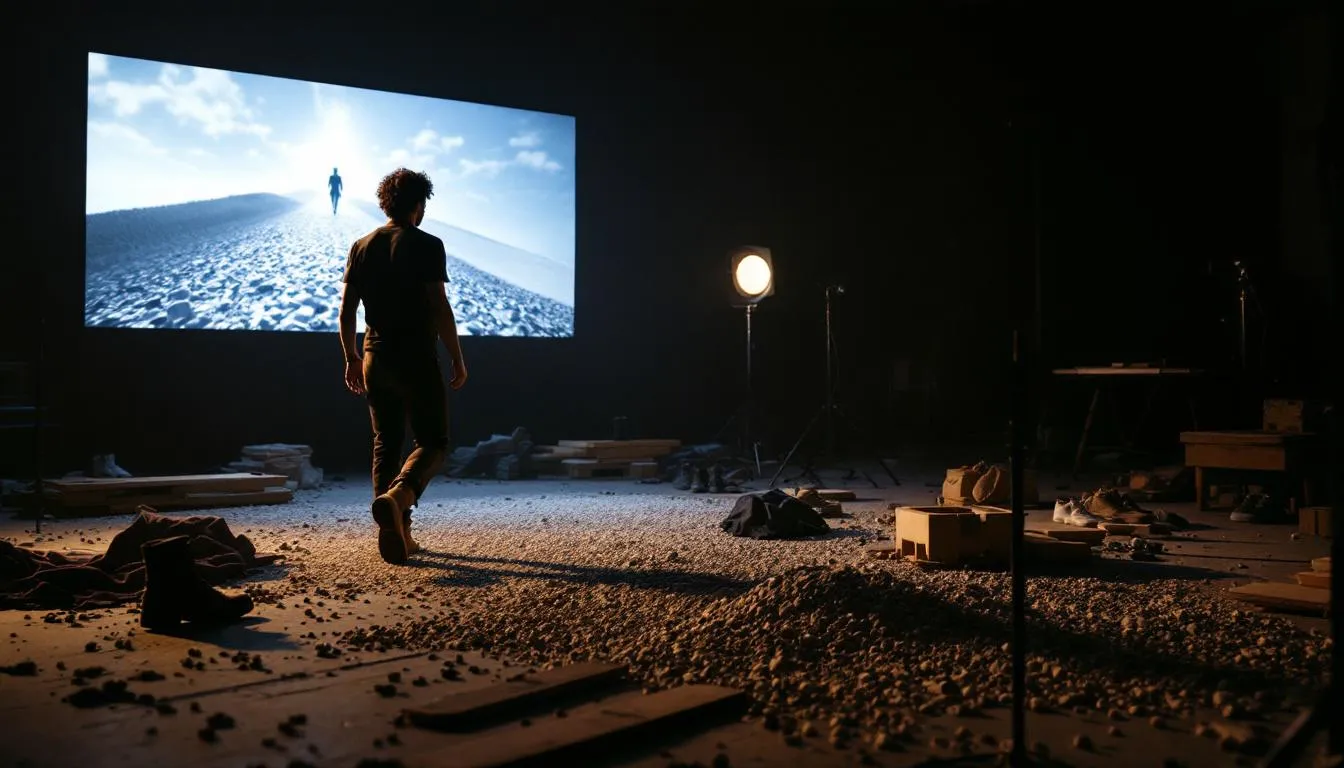
You work in a Foley stage, which is a specialized recording studio built with different floor surfaces — gravel, concrete, wood, tile — so you can walk, drag, stomp, and shuffle while matching your movements to picture on a screen. The work is physical and precise. You watch a scene loop over and over until your footsteps sync perfectly with what's on screen. Your crew is small. Usually you and a Foley mixer, sometimes a Foley editor. You build a working relationship with those people fast because the whole session depends on communication. A director or sound supervisor may drop in to give notes, but most of the time it's just you, the screen, and a room full of props. The pace depends on the project. A TV episode might need to be turned around in a day. A feature film gives you more time, but the expectations are higher. You're always working to picture, always on deadline, and always on your feet.
Most of your day is walking. Seriously. Footsteps, called 'feet' in the industry, make up a large chunk of any Foley session. You match your stride to the character on screen, wearing the right shoes for the surface and the character, until the timing is locked. This sounds simple. It takes real skill to do it cleanly at speed, in heels, in boots, on gravel, backwards, while watching a screen instead of your own feet. Beyond feet, you record cloth movement, which means handling garments and fabric in front of a microphone to recreate the sound of a character moving through a scene. You also handle props, which covers everything else: a glass being set on a table, a gun being drawn, a bag hitting the floor, a car door, a punch. You build a library of objects and learn which ones produce the right sound, and that knowledge is part of what makes you valuable. On any given session you might be asked to solve a problem on the spot. A scene has a sound that was missed on set, or the production sound is unusable, and you need to figure out how to recreate it with what's in front of you. Some of the best Foley work is problem-solving under time pressure, finding the right combination of objects and technique to make something feel real to an audience who will never know you were there.
People who do well here have strong physical coordination and can control their body movements with precision while focusing on a screen instead of what their hands or feet are doing. You need a good ear, obviously, but you also need patience with repetition because you will walk the same hallway scene forty times until it's right. If that kind of focused, iterative physical work sounds like flow to you rather than torture, this job fits.
There's no degree for this and no formal certification. The path in is through the sound department, usually starting as a production assistant or runner at a post-production facility that has a Foley stage. You learn by being in the room, watching how sessions run, and making yourself useful. Some people come up through audio engineering programs at community colleges or trade schools, which gives you a foundation in recording and signal flow. That's useful. But the Foley-specific skills — timing to picture, prop technique, knowing how to move quietly around a microphone — you only learn by doing them. The Motion Picture Sound Editors (MPSE) is the main professional organization in this field. Connecting with working Foley artists through MPSE events or studio networks is one of the more direct ways to find mentorship or a foot in the door. Los Angeles and New York have the most Foley stages and the most work. Some cities with active film commissions, like Atlanta, Albuquerque, and Vancouver, have smaller but real markets. Expect one to three years of low-paid or unpaid adjacent work before you're regularly getting paid Foley sessions.
This is a freelance career for most people who do it. There's no salary, no benefits package, no guaranteed work week. You hustle for sessions, maintain relationships with mixers and editors who hire you, and manage dry spells between projects. Even experienced Foley artists have slow months. You are running a small business whether you think of it that way or not. The field is also small. There aren't that many Foley stages in the country, and the community of working artists is tight. That's good once you're in, because referrals matter and a good reputation travels fast. But it also means there's a ceiling on how many people can make a full-time living at this. Some Foley artists supplement with other sound work, ADR sessions, or sound editing to fill the gaps. Going in with that expectation will serve you better than assuming the sessions will come once you're good enough.