Professional Whistler
There are maybe 200 professional whistlers in the world. They perform on film soundtracks, record studio sessions, and compete in international championships where the top earners pull five figures per gig. This is a real job with real money, and it requires obsessive skill development but zero formal education.
Professional whistling is not a full-time job in the traditional sense. You piece together income from recording sessions, live performances, competition prizes, teaching, and occasionally licensing your recordings. Most pros work out of home studios or travel to session work in LA, Nashville, or New York. The pace is feast or famine: you might have three sessions in one week, then nothing for two months. You are competing against a tiny pool of other elite whistlers, which means the bar for work quality is unforgiving. Your instrument is your mouth and your years of training. You are not performing at birthday parties or corporate events unless you choose to. The work that pays comes from film composers, video game studios, music producers, and performance venues that specifically book you as a specialist. Your reputation and demo recordings matter more than credentials. You need a good home setup for recording and the discipline to practice daily even when money is slow.
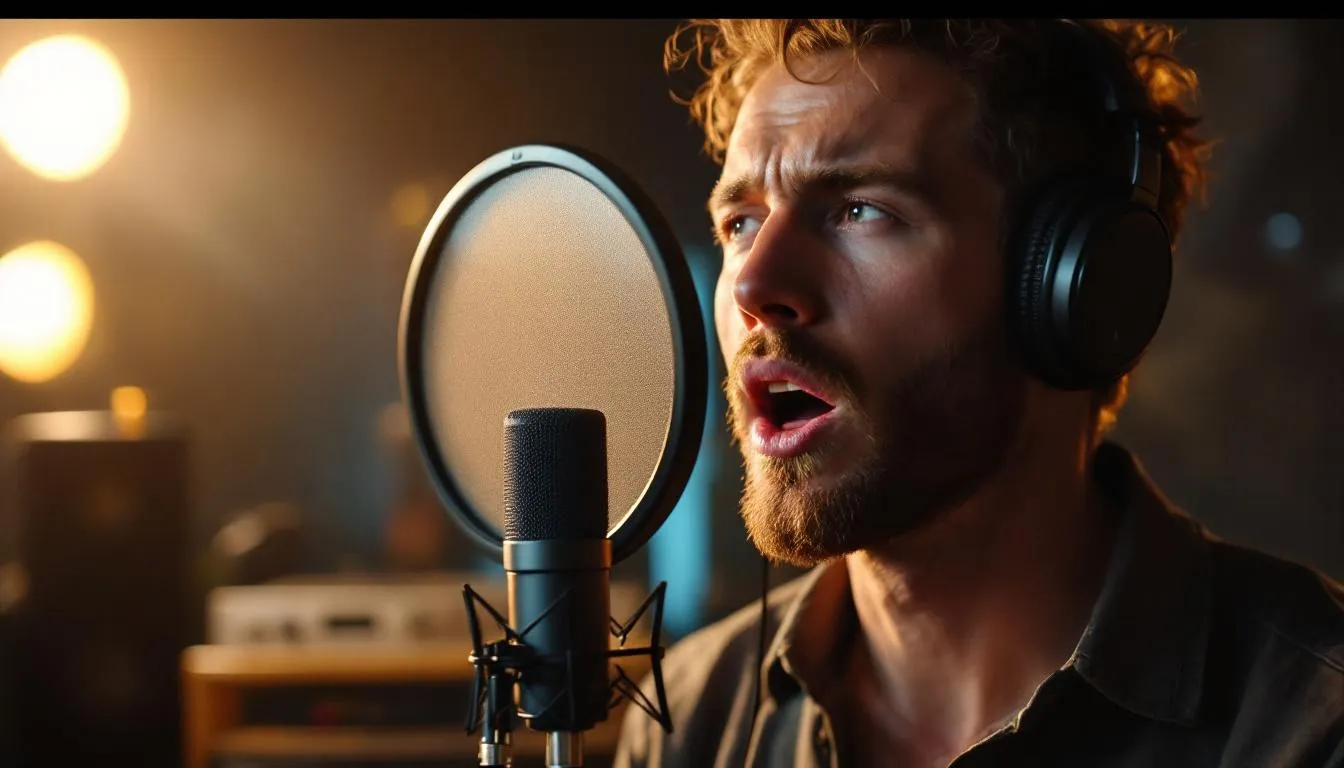
On a recording day, you receive sheet music or direction from a composer and sit in a studio with a producer and engineer. You play back the track they want you to whistle over, warm up your mouth and throat, and then nail the part. This might take one take or fifty. You are hitting exact notes, matching tone, controlling vibrato, and staying in rhythm with a backing track. Some sessions are simple melodic lines. Others are technical and require range, speed, or unusual timbral choices. Between paid work, you are woodshedding: practicing technique, learning repertoire, maintaining your range, and developing signature sounds that make you recognizable. You might record demos of your own to shop to composers or build your portfolio. You teach private students or group classes if you choose, which creates steady income but eats rehearsal time. If you compete, you are preparing for championships where you perform prepared pieces and sometimes improvise or sight-read in front of judges. You manage your own schedule, contacts, and business side: invoicing, taxes, marketing yourself through demos and social media.
You need obsessive attention to detail and the ability to hear and reproduce sounds with precision. This job rewards people who can practice the same four bars for three hours and care about getting one note 2 percent better. You must be comfortable with irregular income and periods of no work. Success also requires business discipline: you need to hustle for gigs, manage your own finances, and market yourself constantly. People who thrive here are self-motivated and do not need external validation; they whistle because they love it, and the money follows later.
There is no degree and no certification required. You start by being obsessed with whistling. Most pros began young, often as kids drawn to the sound, and spent thousands of hours practicing before they were old enough to think about money. You need access to a good microphone and audio interface for home recording (startup cost around $500-2000). Take lessons from anyone teaching advanced technique, though most of your learning will be self-directed: studying recordings of other pro whistlers, working with a vocal coach if possible, and grinding repetitive exercises for years. Join online whistling communities and watch competition footage from the International Whistlers Convention or similar events to understand the standard. Start recording demos and sharing them. Build a portfolio of your best work. Pitch yourself to independent composers, video game studios, and small production companies. Most pros take years of unpaid or low-paid work before landing real session gigs. The entry is purely skill-based: if you can whistle at a professional level, people will hire you. If you cannot, they will not. There is no credential that bypasses the audition.
Professional whistling is a lifestyle, not a job with defined hours. You might whistle competitively for ten years before landing your first real session work. The income is wildly unpredictable. You can go months without paid gigs, and one big contract does not mean the next one is coming. There is no job security, no benefits, no retirement plan unless you build one yourself. You are physically vulnerable: a sore throat, upper respiratory infection, or dental work can sideline you for weeks and cost you gigs. Some pro whistlers supplement with day jobs for years. The community is tiny, which means reputation issues spread fast. If a producer has a bad experience working with you, that word travels to the five other major studios in your region. The work is also isolating. You are often alone in a home studio or sitting alone in a sound booth. There is no team, no office, no coworkers. The financial stress of irregular income wears on relationships. And here is the reality: even if you become very good, you might never earn enough to live on whistling alone.