Glider Tow Pilot
You're operating a real aircraft in precision flying that demands absolute focus. Tow pilots work at the intersection of skill and service, handling the critical few minutes where you're responsible for getting a sailplane safely to altitude. It's niche enough that you'll know most pilots in your region by name.
Glider tow flying happens at smaller, quieter airports than commercial aviation. You'll spend most days flying 20 to 40-minute sorties, climbing to 2,000 to 5,000 feet depending on conditions and requests. The work is seasonal in most regions, heaviest in spring and summer when soaring conditions attract glider pilots. Your day revolves around weather, safety briefings, and flying the same route repeatedly, which sounds monotonous until you realize every flight carries real responsibility. You work closely with glider pilots, ground crew, and often a small core team at the same airfield. The pace is controlled, not rushed, but requires absolute attention during tow operations.
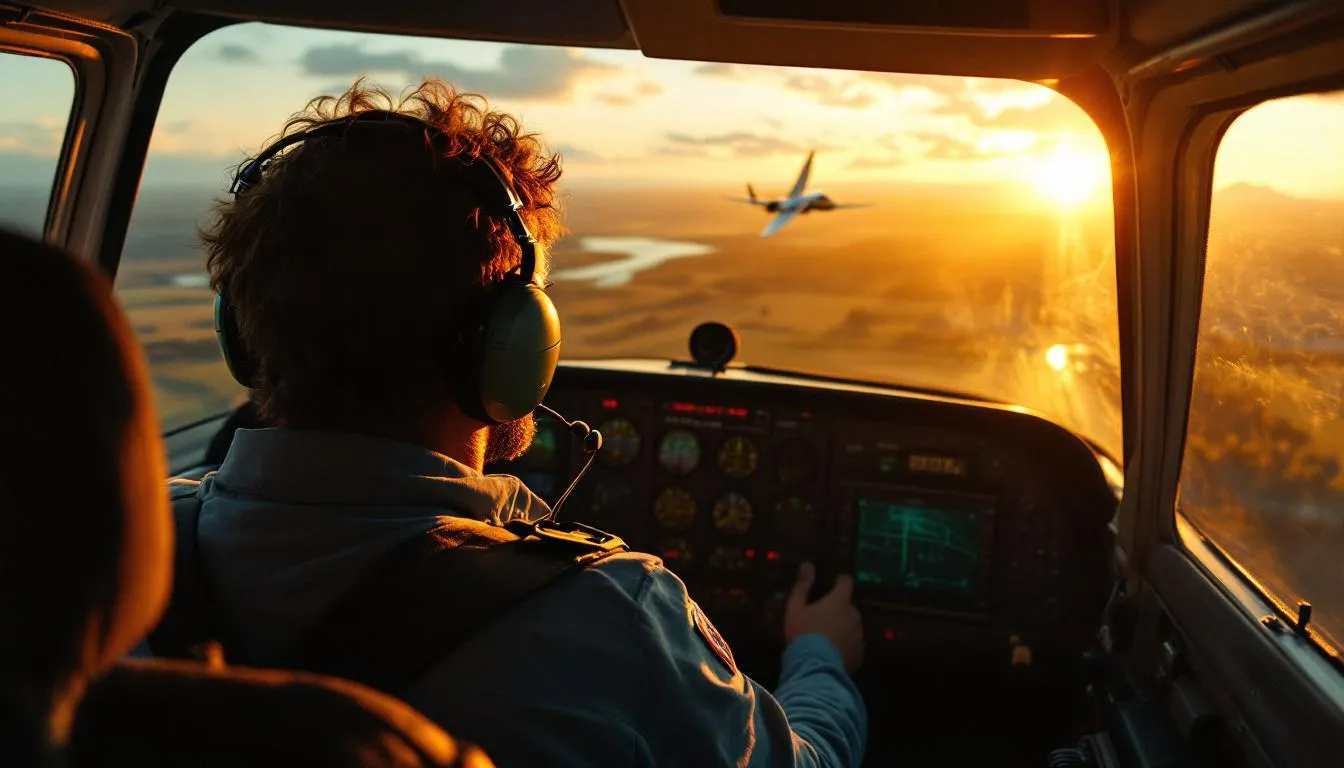
You arrive, check weather and your aircraft (Pawnee, Citabria, or similar tow plane), and brief with glider pilots about their flight plans. You preflight, start engines, and line up for launch. During the tow, you're managing altitude, airspeed, turns, and constant communication with the glider pilot behind you. You're reading their signals through stick movements and radio calls, adjusting your climb to match what they need. Once you reach release altitude, you separate cleanly and descend to land, preparing for the next launch. Between flights you refuel, log your hours, and help with basic aircraft maintenance. You might spend quiet periods maintaining equipment, discussing weather patterns with other pilots, or updating maintenance logs. On slower days, you might help retrieve gliders that landed off-field or assist with general airfield operations.
You need genuine interest in flying and comfort with mechanical detail and safety protocols. Tow pilots who succeed are patient with repetition, reliable enough that glider pilots trust you completely, and adaptable to changing weather. You should be the type who finds satisfaction in doing one thing well rather than chasing advancement. Strong hand-flying skills matter more than equipment knowledge. You also need to be okay with modest pay and seasonal work, accepting that this is a lifestyle choice within aviation rather than a path to corporate pilot work.
Start with a private pilot license if you don't already have one. This requires 60 to 70 flight hours, written exam, and checkride. You need a third-class medical certificate. Once licensed, most glider tow operations will hire you and provide tow-specific training on their aircraft and procedures. Some operations expect 500 to 1,000 hours total flight time before hiring; others will work with lower-time pilots if you show competence. The Soaring Pilots Association and the Soaring Society of America connect you with clubs and commercial tow operations. Many start by volunteering at local soaring clubs to build hours, learn the community, and prove you understand glider operations. Budget 8,000 to 15,000 dollars for your private license. Tow training itself is relatively inexpensive because the operations you work for train you on their equipment.
The work is deeply seasonal. In many regions you're flying hard from April through August, then nearly idle September through March. Your annual income reflects this, and juggling a second job or picking up charter flying off-season becomes normal. The pay is modest compared to other pilot careers. You're not building hours toward an airline job or accumulating wealth. Many tow pilots come to aviation through other means or accept lower income as the cost of flying regularly. Weather cancellations are frequent and sudden, wiping out entire days of planned work. The aircraft you fly are older, smaller, and less comfortable than what commercial or charter pilots operate. There's also a real physical toll: repetitive climbing, takeoff and landing cycles, and hours in cramped cockpits can wear on your back and shoulders over years. The community is tight, which is a feature until it isn't. If you leave or have conflict with a small-town soaring club, finding another tow operation nearby might not be possible.