Hydrographic Surveyor
You're using sonar and dive gear to map underwater terrain that ships and oil rigs depend on. It's technical work, but you're doing it on boats in open ocean, not sitting in an office. The data you collect literally shows people where they can and can't go.
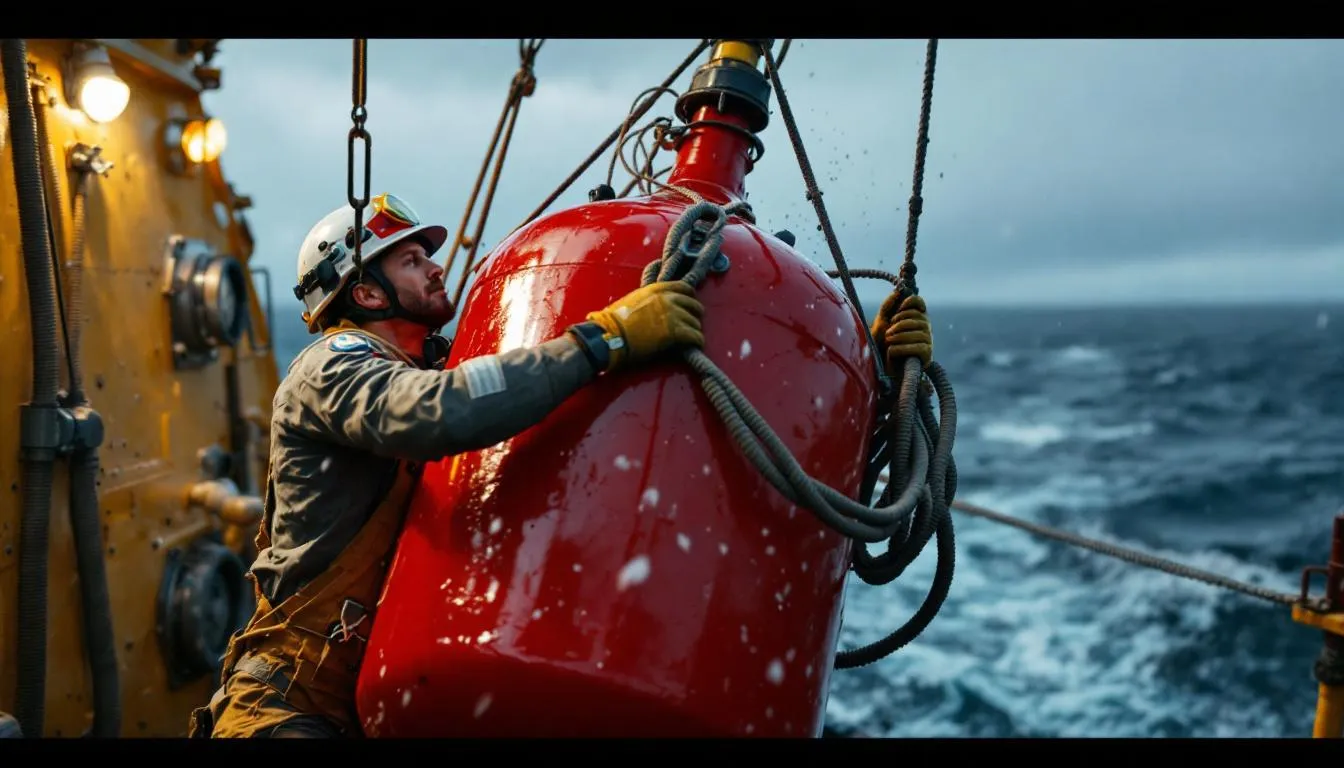
Hydrographic surveying happens mostly on research vessels and survey boats, sometimes small enough that you're the entire crew, sometimes part of a larger team. You're out on the water for days or weeks at a time, collecting sonar data, positioning equipment, and sometimes diving to verify what the instruments tell you. The work is methodical and precise, but it moves fast when deadlines are tight. You work with oceanographers, engineers, and captains, and everyone depends on your data being accurate. The ocean doesn't care about your schedule. You work in whatever weather allows you to collect usable data, which means long days when conditions are good and a lot of waiting when they're not. If you get seasick, figure out how to stop. If you don't like being away from shore for extended stretches, this isn't the job.
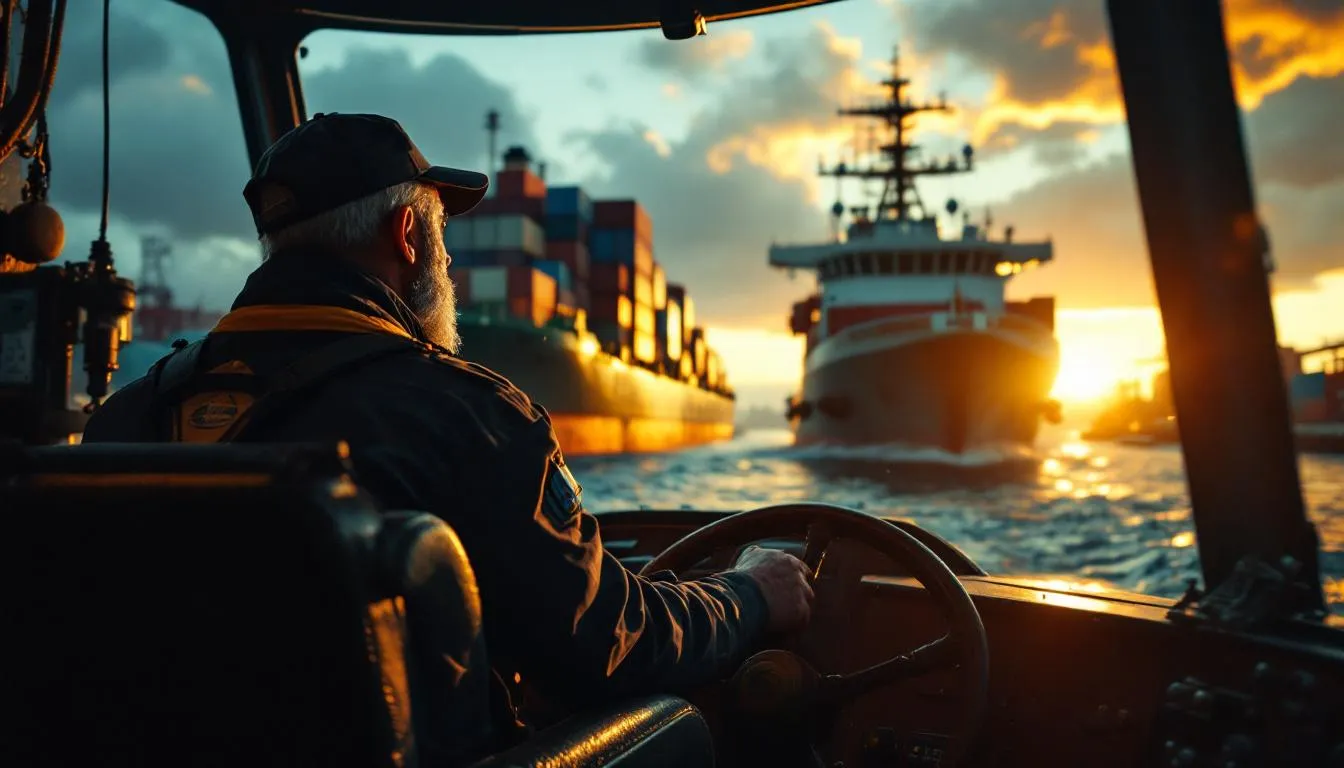
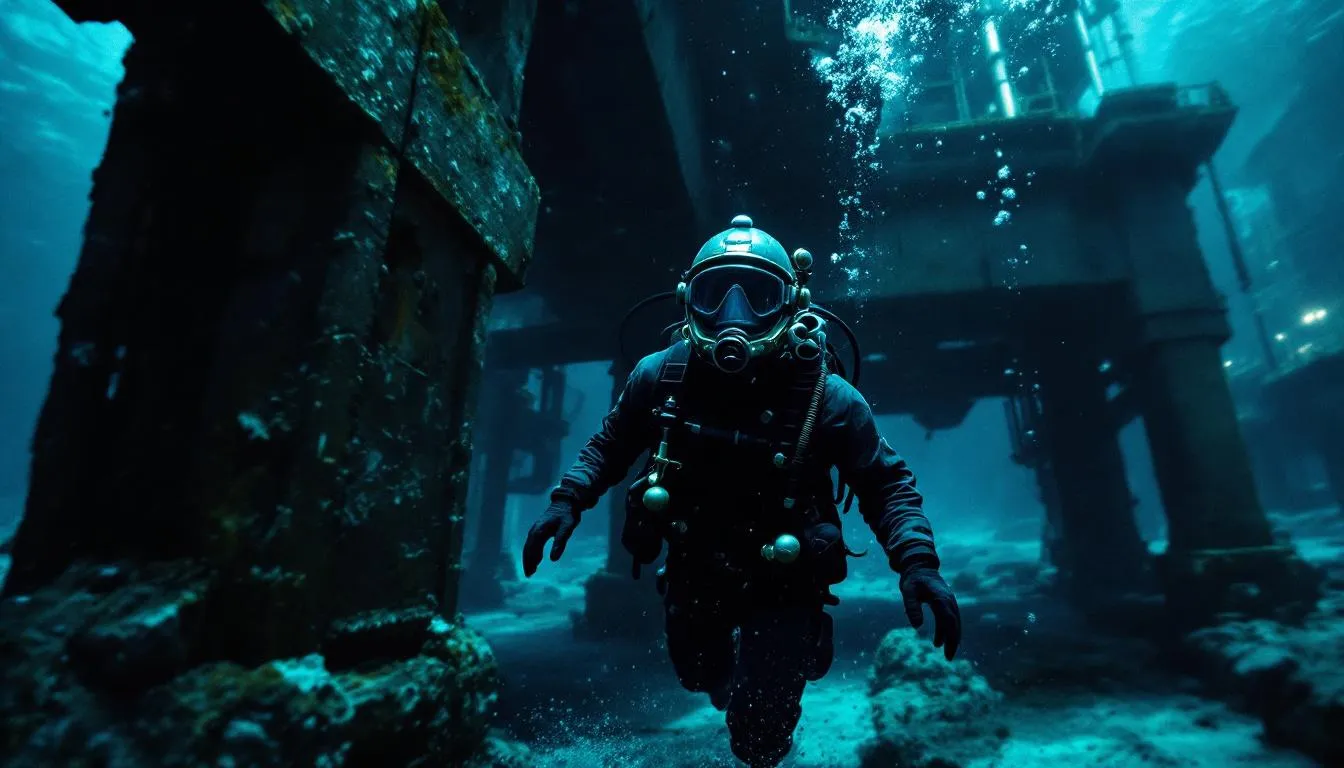
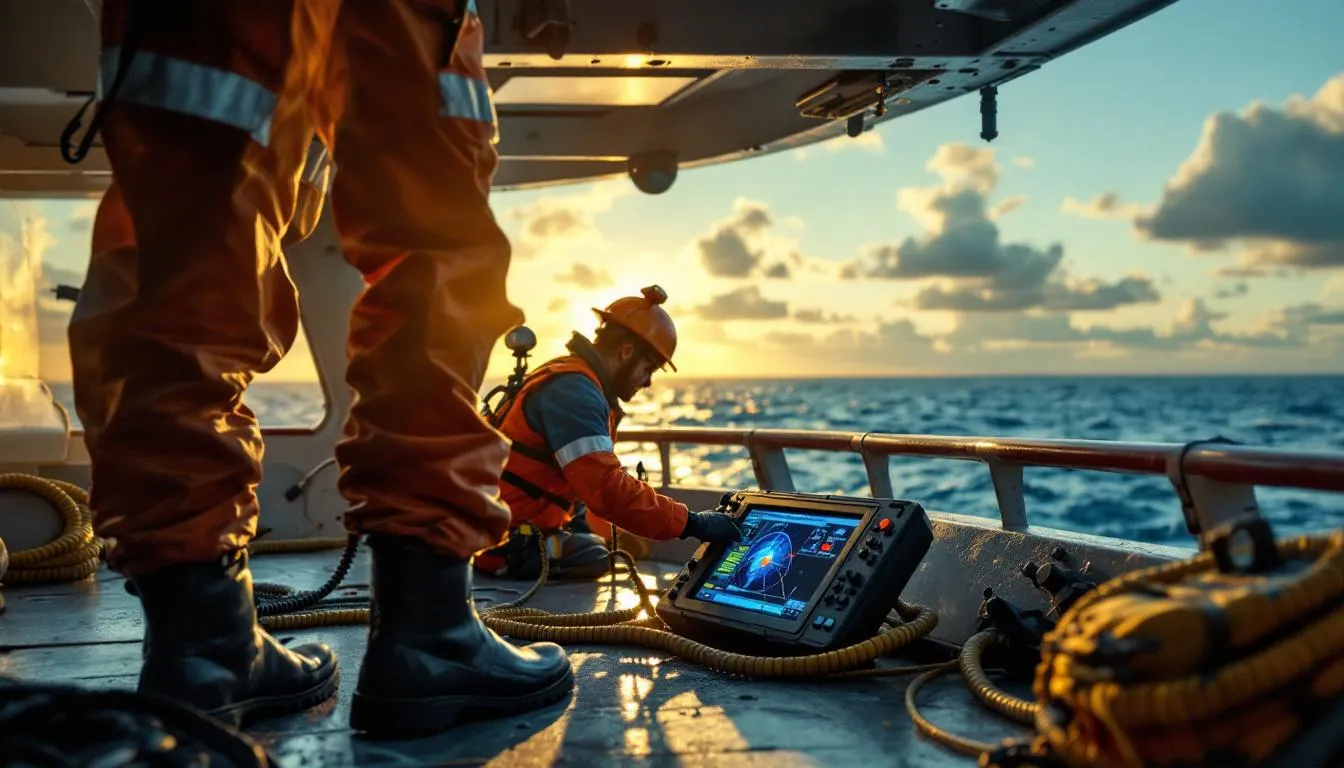
Your day starts with equipment checks. You're responsible for sonar systems, GPS positioning gear, and sometimes diving equipment. You calibrate instruments, run quality assurance on data as it comes in, and log everything obsessively because a single missing data point can mean a return trip that costs tens of thousands of dollars. Once you're operating, you're positioning the boat precisely over survey lines, monitoring sonar returns as they paint a picture of the seafloor, and adjusting course based on what you're seeing. You're documenting water depth, underwater hazards, geological features, and obstructions. If the job requires dive verification, you're gearing up and going down to physically measure features or inspect equipment on the bottom. Back on deck, you process the raw data, check it for errors, and prepare it for clients. You write reports that explain what you found, flag anything unusual, and sometimes present findings to engineers or shipping companies. The work is repetitive in structure but changes completely depending on whether you're surveying a shipping channel in a busy harbor, mapping a new oil field, or investigating a wreck.
You need to be comfortable with precision and routine, but also adaptable when conditions change. People who succeed here are methodical about documentation, patient with waiting (weather delays are constant), and physically comfortable on a boat. You should like problem-solving with equipment and be okay with isolation and extended time away from home. Respect for the ocean and the danger it represents matters more than bravado.
You need a high school diploma or GED, a valid passport, and the ability to pass a background check and medical clearance. No college degree required. Most hydrographic surveyors start as survey technicians or deck hands on survey boats, learning the equipment and procedures on the job. After 6 months to a year of experience, you pursue formal certification through the National Oceanic and Atmospheric Administration (NOAA) or the International Association of Hydrographic Surveyors (IHS). NOAA offers a Hydrographic Surveyor certification program that typically takes 2-3 months of focused study, usually paid for by your employer. Some positions require SCUBA certification if diving is part of the work; if you don't have it, your employer will often cover the cost of getting certified (usually $500-1,500 out of pocket or fully covered). Look for entry positions with NOAA, USGS, private surveying firms, or maritime contractors. Once certified, you can move into more specialized roles like sonar operator, dive supervisor, or project lead.
You're going to be seasick at some point, even if you take medication. Motion sickness is manageable but real, and some people never fully adapt. The job also means long stretches away from home, sometimes 2-3 weeks at sea with minimal communication. If you have family or serious relationships, that's a conversation you need to have first. The industry is also vulnerable to budget cuts and project cancellations. Government surveying contracts can dry up, and private work is tied to shipping activity and resource exploration, which fluctuate. Equipment malfunctions happen at sea and become expensive problems fast. Dive work, when required, adds physical risk and requires constant safety discipline. The data you collect is valuable, but the work itself is not glamorous, and you're often the person who notices when something goes wrong before anyone else on the team realizes it.