Iceberg Mover
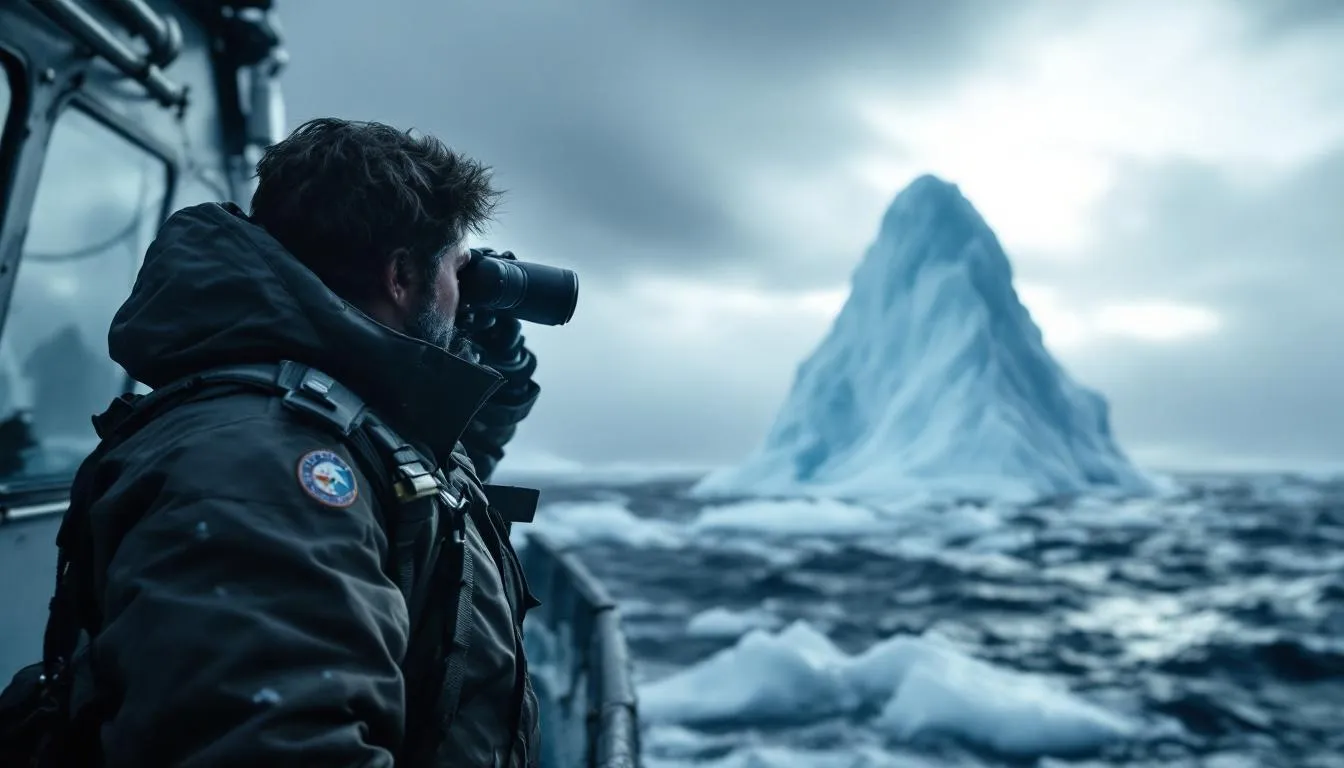
You spend your days tracking massive blocks of ice moving through some of the harshest ocean environments on Earth, then figure out how to steer them away from offshore infrastructure. It's real work happening right now in the North Atlantic and Arctic waters. Most people never hear about it because when you do your job right, nothing catastrophic happens.
This work happens on research vessels, specialized ice patrol ships, and occasionally from coastal command centers. You are part of a small, tight team of hydrographers, meteorologists, naval personnel, and other ice specialists. The pace swings hard: weeks of routine monitoring punctuated by intense action when a berg or calving glacier enters a shipping lane or threatens a rig. You work in some brutal conditions, North Atlantic and Arctic mostly. Weather dictates everything. Your workplace is the ocean. You live on a ship for weeks or months at a time. Communications with offshore platforms, shipping companies, and government agencies happen constantly. The work is methodical when conditions are calm and urgent when they are not. You are trusted with decisions that affect hundreds of millions in assets and the safety of people working far from shore.
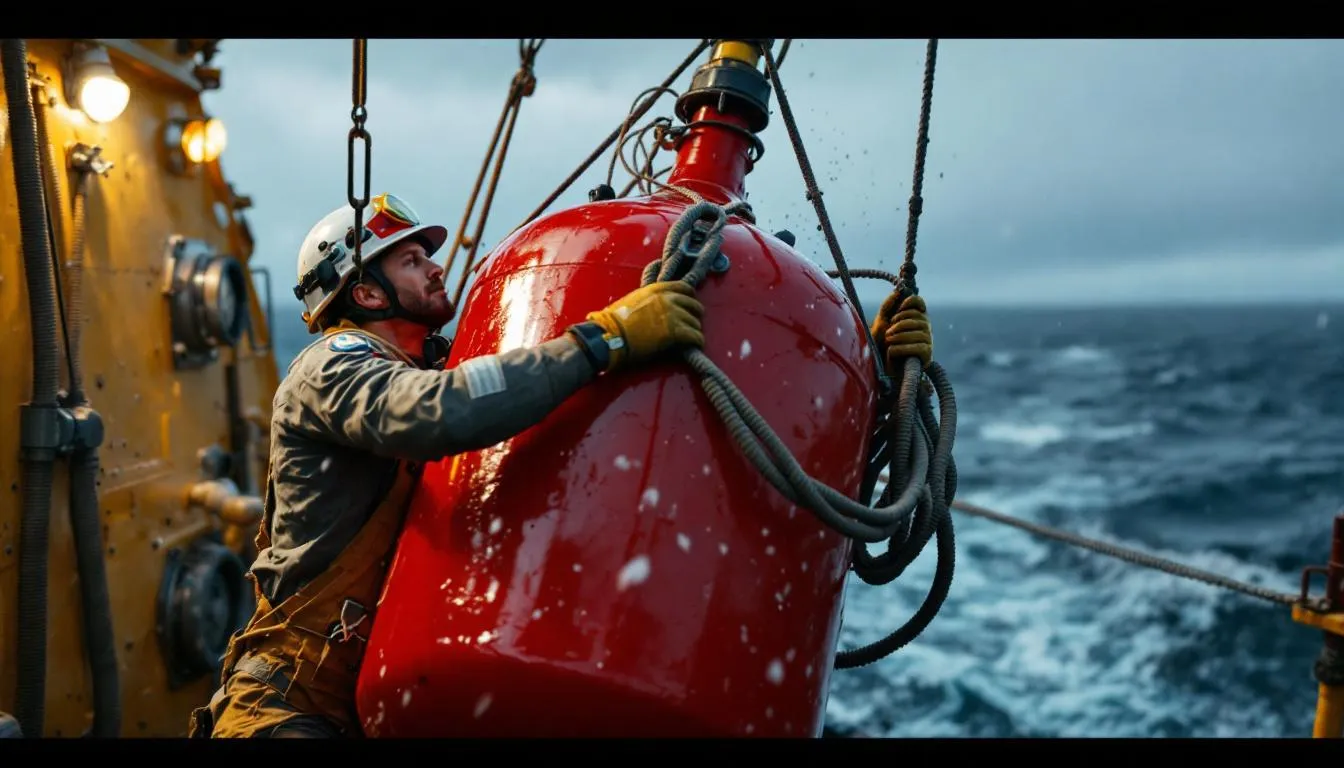
Most of your time is spent monitoring radar, satellite imagery, and oceanographic data to track iceberg positions and drift patterns. You log ice observations, verify locations, and feed that information into prediction models that show where a berg is headed. You analyze currents, wind, and water temperature to forecast movement. When a berg enters a monitored area or threatens infrastructure, the work shifts. You coordinate with platform operators or shipping companies to relay ice positions and risk assessments. You may recommend course changes, slowdowns, or platform shutdowns. On research vessels, you participate in direct observation and measurement. You launch small boats or drones to get closer looks at bergs. You collect water samples, measure ice dimensions, and document calving activity. You also help coordinate with other agencies, international ice patrol services, and military vessels involved in ice management. Some positions involve recommending or supporting active deflection methods like towing buoys or water jets. The technical side requires reading charts, running modeling software, and communicating findings clearly to people with no ice experience who need to make fast decisions.
You need comfort making decisions with incomplete information and standing behind those calls when millions of dollars hang in the balance. Successful ice specialists are methodical but can shift to rapid problem-solving when conditions change. You should be genuinely interested in how oceans and ice work, not just doing a job. Long stretches away from home are non-negotiable, so you have to actually want time on the water. Most people who stay in this work are problem-solvers who respect the ocean's power and do not panic under pressure.
Start by getting into oceanography, meteorology, or maritime operations. A two-year degree in oceanography or marine science is the most direct path, though some positions accept candidates with strong experience in maritime operations or ice observation. Look at institutions in Newfoundland, Nova Scotia, or the US Northeast that run ocean science programs. Several of these schools have partnerships with ice patrol operations. If you do not want a degree, the alternative is working your way in through maritime jobs. Start as crew on research vessels or ice patrol ships. Positions like deckhand or observer can get you on the water and expose you to ice operations. From there, you can cross-train into ice tracking and analysis roles. The Canadian Coast Guard's Ice Service and the US National Ice Center actively hire observers and analysts. Military hydrographic training programs also lead here. Once hired, you will receive on-the-job training in ice dynamics, tracking systems, and platform communication protocols. Most positions expect you to earn certifications in marine safety and weather observation. Timeline: 18 months to 3 years before you are in a primary ice tracking or deflection role earning full pay.
The isolation is real. You spend weeks at sea in some of the worst weather on the planet. Storms happen. Sea sickness is common, even for veterans. The work can feel boring until it suddenly does not, then the pressure is extreme and you are making calls that people in warm offices depend on. You miss birthdays, holidays, and long stretches at home. The rotating schedule wrecks normal sleep patterns and makes maintaining relationships hard. Second: the job is genuinely rare. There are maybe 300-400 people worldwide doing this work professionally. If the Arctic stays warm longer and calving decreases, or if platforms move to different regions, the work available can shrink. This is not a growing field. It is stable if you are in it, but entry points are few and far between. You cannot just apply online to dozens of companies.