Lighthouse Keeper (Modern)
Lighthouse keeper is one of the last genuinely rare jobs left. You live in an actual lighthouse, maintain critical navigation equipment, and answer to almost nobody. The work is real, the isolation is real, and the pay exists somewhere between "enough" and "not much."
Modern lighthouse work is nothing like the storybook version. You are stationed at an isolated coastal facility, often on an island or rocky point where you cannot drive home at the end of the day. The lighthouse itself runs mostly on automation now, but someone still needs to be there: to monitor systems, respond to equipment failures, conduct inspections, and ensure the light keeps burning. You work rotations, meaning weeks or months on-site followed by time off-shore. The isolation is complete. No casual interaction, no walk to grab coffee, no impromptu plans. You are responsible for one of the most critical pieces of maritime infrastructure, and failure is not an option. The work is methodical and often repetitive, but when something breaks at 2 AM in bad weather, you are the only person who can fix it.
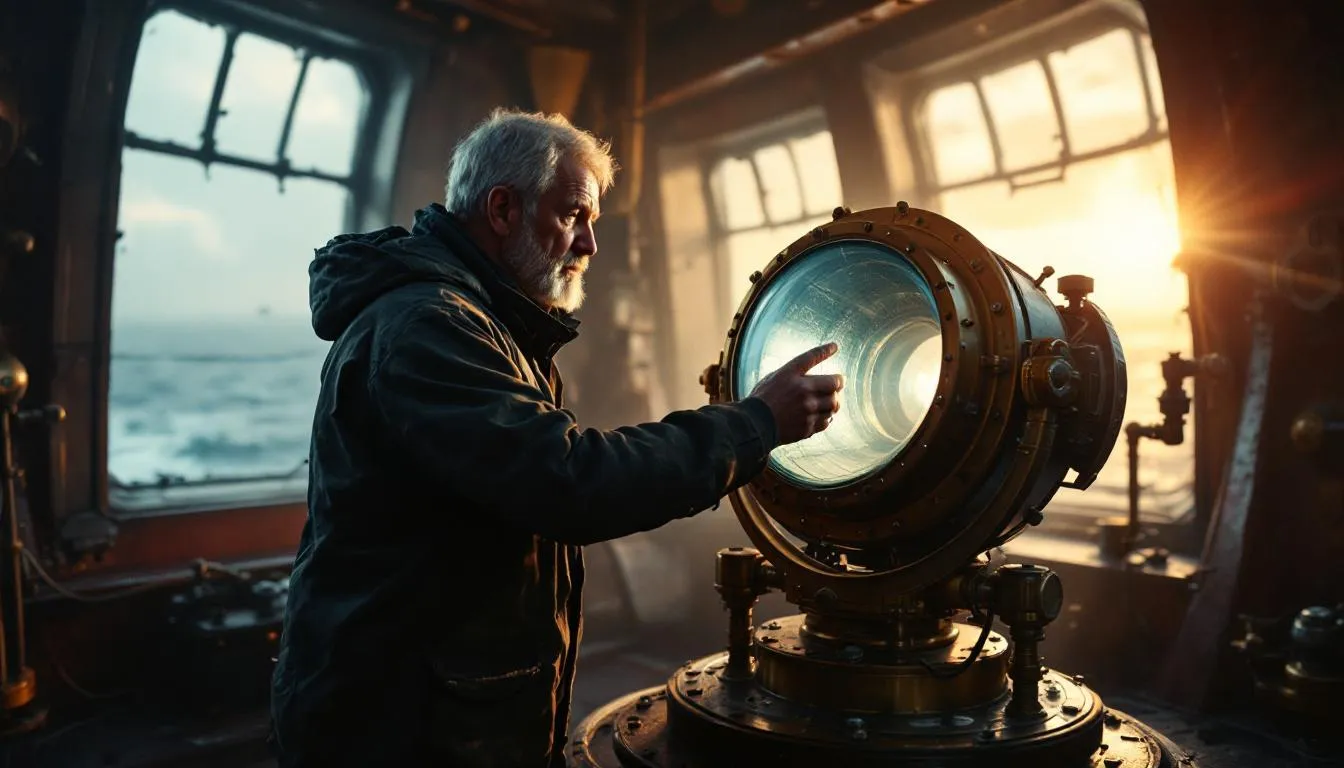
Your days revolve around systems checks and preventive maintenance. You inspect the light apparatus, fuel or battery systems, mechanical clockwork, and automated fog signal equipment. You log observations, record weather conditions, and document any anomalies. This is routine work, but it requires precision and attention because maritime traffic depends on what you do. When equipment fails, troubleshooting becomes urgent. You might be replacing bulbs, repairing electrical connections, patching structural corrosion, or calling specialists for major work. You maintain the facility itself: painting, cleaning optics, managing waste, keeping records. Depending on your station, you may also assist with coast guard operations, search and rescue coordination, or marine research. The work is physical but not strenuous; it is methodical and solitary. Weather is a factor, especially during storms, but modern lighthouses are built to withstand it. You are on-call even when things are quiet.
You need to be genuinely comfortable alone. Not just introverted, but someone who prefers solitude to crowds and finds routine satisfying rather than boring. You must be reliable and methodical, able to follow procedures exactly and catch small problems before they become big ones. Self-motivation matters because nobody is watching. People who thrive here often describe themselves as independent, practical, and okay with repetition. Most are not running from society; they are choosing it. Previous maritime or military experience is a strong predictor of success, but it is not required if you have the temperament.
Lighthouse keeper positions are rare and highly competitive. Most countries only have a handful of active stations. Check with your national coast guard, maritime authority, or lighthouse commission for openings. In the US, the US Coast Guard maintains a few positions, though many lighthouses are now fully automated. Canada, the UK, and Australia still operate staffed lighthouses and hire keepers. You typically need a high school diploma or equivalent and pass a background check. Some positions require maritime experience, but many will train someone with the right attitude. Physical and psychological fitness matter; the isolation screens people out fast. You may start as an assistant keeper before running a station solo. Application processes are slow and bureaucratic, but the payoff is a genuinely unique role. Start by contacting your coast guard or maritime authority directly.
The isolation is real and it breaks people. You can have days off, but leaving the station means traveling off an island or remote coast, which is not quick or cheap. Weeks go by where your only human contact is radio communication or the occasional supply boat. Some keepers adapt perfectly; others realize after one rotation that they cannot do it. There is no emergency escape if you have a mental health crisis, medical problem, or family emergency. Weather can trap you for extended periods. The pay is modest, which means you cannot easily relocate to a higher-paying area if you decide lighthouse work is not for you. The work is important, but it is also monotonous during calm periods, which can wear on motivation. Relationships suffer because you are away for long stretches, and your partner is managing life alone. The job is disappearing too; automation keeps advancing, and fewer positions open up each year. This is a career with a built-in expiration date.