Marine Salvage Assessor
You show up to a sinking ship in the middle of the ocean. Your job is to figure out if it's worth the millions it'll take to save it, and if so, how. Most assessors have stories that sound made up. Most of them aren't.
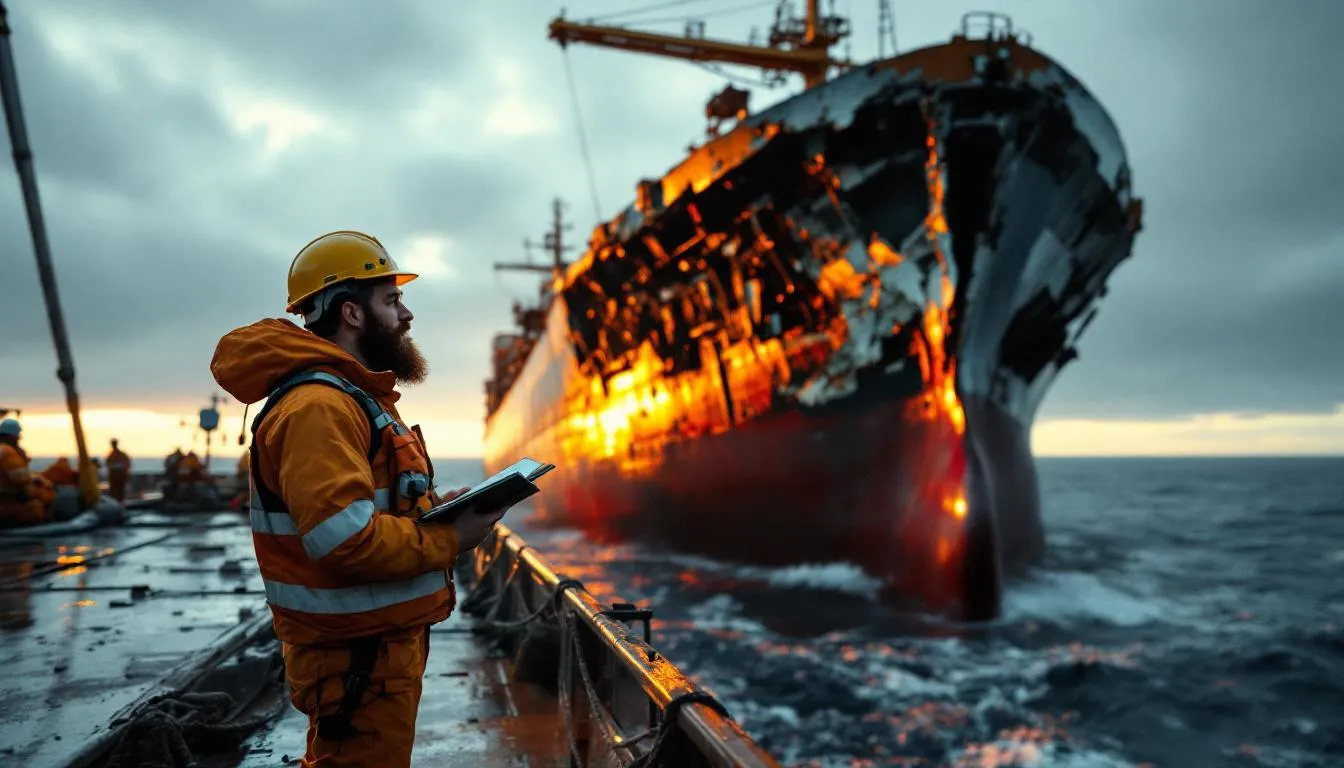
You are the person who gets called when a ship gets into serious trouble. That could mean a collision, a fire, engine failure, flooding, or running aground. You board the vessel, usually by helicopter or fast boat, and spend hours or days documenting exactly what's wrong with it. You are working in a vessel that is already compromised, sometimes in rough water, always under time pressure because every hour the situation could get worse. You work with ship captains, crew members who are often stressed or injured, salvage company teams, insurance adjusters, and sometimes maritime lawyers. The decisions you make directly affect whether a ship gets saved or abandoned. Your report determines what happens next: immediate stabilization, partial recovery, total loss declaration, or scuttling. You are often the only impartial expert on scene.
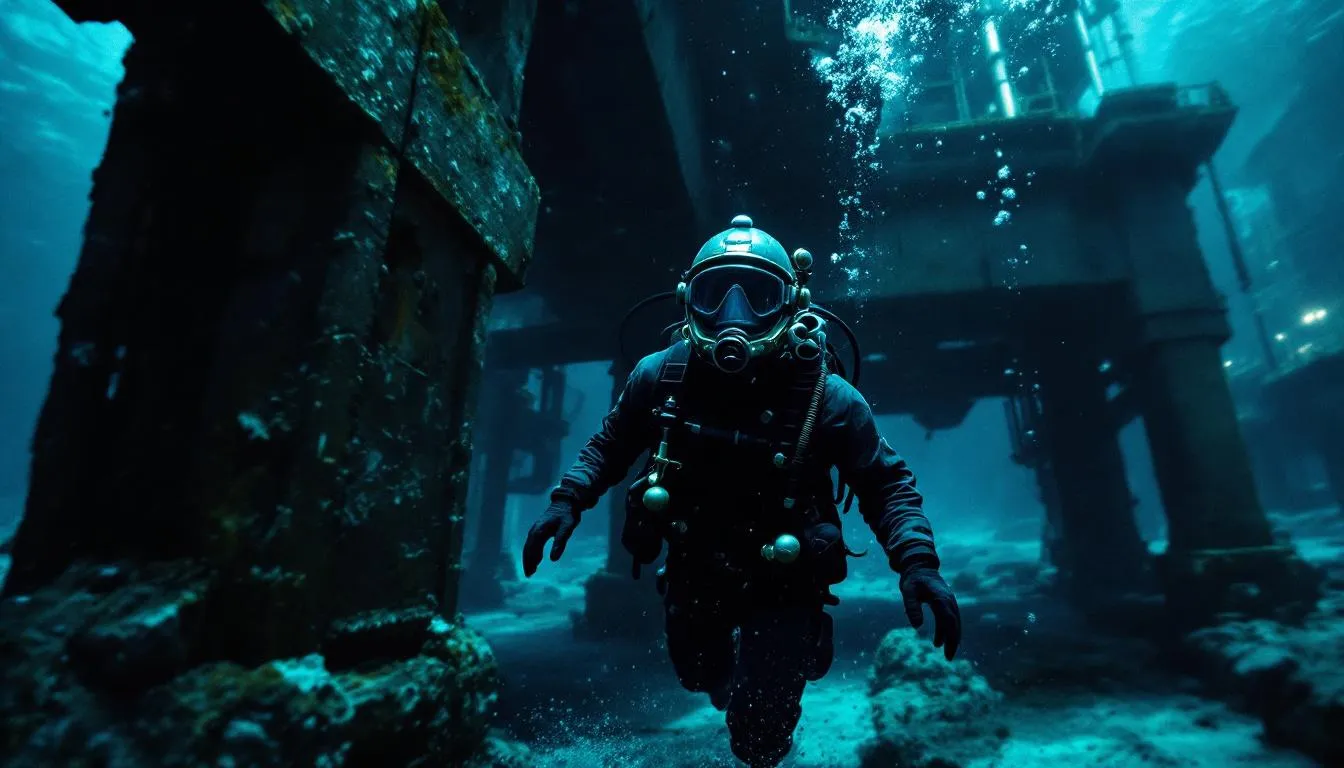
Your day starts when a distress call comes in. You gather information about the vessel, its cargo, location, and the nature of the damage. You may have hours or minutes to prepare before you board. Once on site, you conduct a systematic inspection of the hull, engine room, structural integrity, flooding status, cargo condition, and any environmental hazards. You take photographs, measurements, and notes. You assess water ingress, fuel spillage risk, and stability. You interview crew members about how the damage happened, what systems are still functioning, and what rescue attempts have already been made. You calculate weight distribution, estimate repair costs, and determine if the vessel can be refloated, towed, or needs to be broken up. You may dive or use ROV footage to inspect underwater damage. You write detailed technical reports that insurance companies, salvage crews, and maritime authorities use to make million-dollar decisions. Sometimes you coordinate with other experts: structural engineers, naval architects, environmental specialists. You may spend days on a damaged vessel or hours before you determine the case is hopeless.
You need to be genuinely comfortable with risk and uncertainty. Not someone who loves danger, but someone who can stay rational when conditions are objectively bad. You have good spatial reasoning and can visualize structural problems from incomplete information. You are decisive without being reckless. Most importantly, you respect the ocean and the people on damaged vessels. This is not a job for ego or bravado.
There is no single path, but all assessors start with serious maritime experience. Most begin as deck officers or engineers on commercial vessels, spending 3-5 years learning seamanship, ship systems, and how vessels behave under stress. Some come through the military, particularly naval engineering or damage control roles. You need to prove you can stay calm when a ship is actively sinking. Once you have foundation experience, you move into a salvage company as a junior assessor or surveyor. You apprentice under senior assessors, learning to read vessel conditions, estimate repair costs, and understand maritime law. Many take the Society of Professional Ship Surveyors (SPSS) certification or equivalent. This typically involves written exams, practical demonstrations, and endorsement from experienced assessors. The transition from deck officer to full assessor usually takes 2-3 additional years. Some assessors come through insurance surveying first, which teaches the documentation and valuation side before you handle active salvage situations. You need a valid medical certificate (STCW) and usually a captain's license or equivalent. Your reputation matters more than credentials. Salvage companies hire people who have proven they make good calls under chaos.
You will see people at their worst. You will board vessels where crew members have died or are missing. You will be in situations where weather or structural failure could kill you quickly. Helicopter transfers in rough seas have genuine fatality risk. The liability is also significant. A bad assessment can cost salvage companies or insurers millions. If your evaluation leads to a wrong decision and someone dies, that is on you. You are away from home for weeks at a time, sometimes longer. Your family gets used to you leaving on short notice and not knowing when you will return. The work is physically demanding: climbing, diving, moving through damaged spaces that may be unstable. You are often cold, wet, and exhausted. You will see ships that represent decades of someone's work or investment get destroyed or scrapped. The psychological weight is real, and not everyone handles it well long term.