Mine Safety Inspector
You go 1,000 feet underground to find what kills people. Mining companies pay you well to make sure their operation doesn't turn into a coffin. The work is dangerous, the stakes are real, and nobody's guessing about whether you know your job.
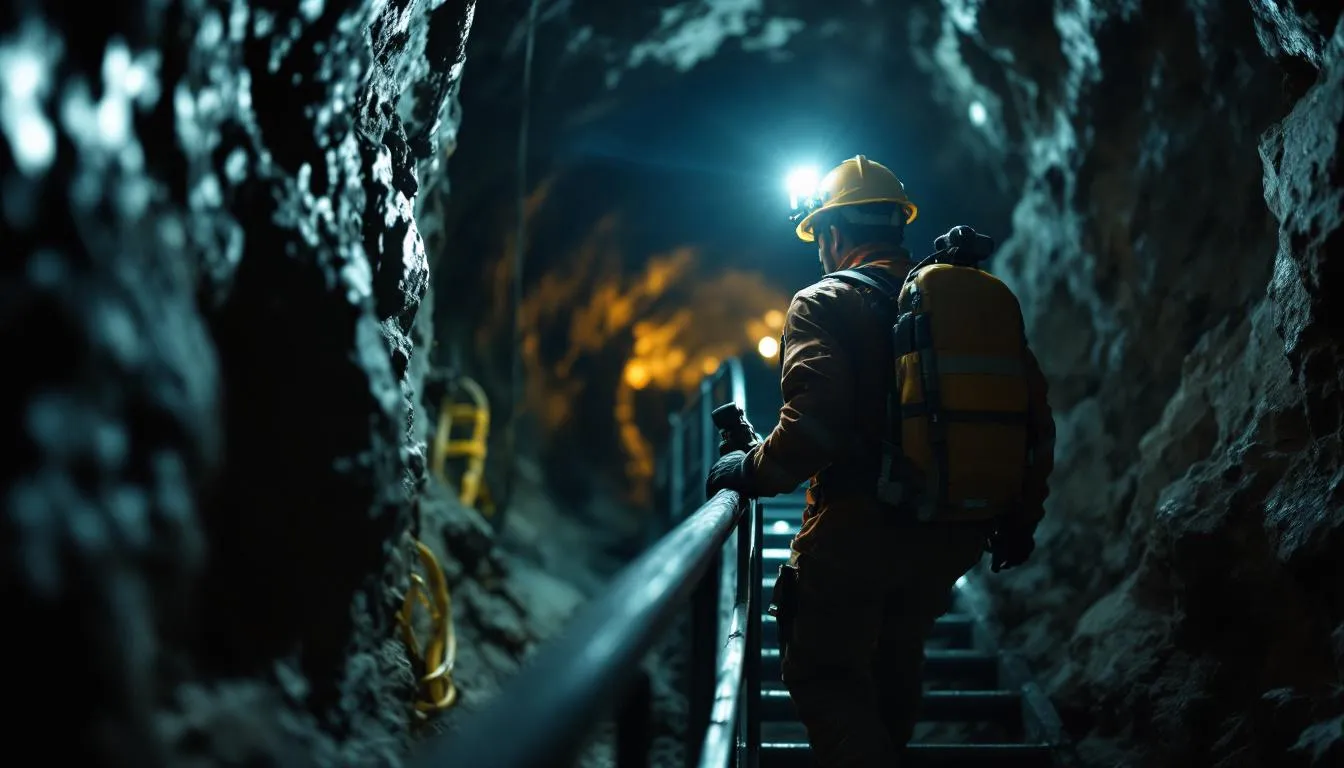
Mine safety inspectors spend their days underground in active mining operations, looking for anything that can kill or injure someone. You're not working in a nice office reviewing reports—you're crawling through passages, testing air quality with instruments, examining roof bolts and equipment welds, and talking to miners about what they've noticed going wrong. The pace varies wildly. Some days are slow walks through stable sections. Other days you're racing to identify what's causing unusual gas readings or structural shifts. You work for a mine operator, a regulatory agency like MSHA, or a private safety consulting firm. Your findings directly affect whether a mine stays open or shuts down sections. That weight never really goes away.
Your day starts with a briefing on what operations are happening and what concerns have come up. You suit up with your helmet, self-rescue device, and detector equipment, then head underground. You inspect areas for visible hazards: loose rock, damaged support beams, water seepage that signals bigger problems, equipment in bad repair. You use gas detectors to measure methane, carbon dioxide, and oxygen levels—numbers that tell you whether the ventilation system is working. You check that safety equipment is in place and accessible. You talk to miners about near-misses and problems they've seen. You photograph or document any violations. Some days you're testing newly installed equipment or surveying an area after an incident. You write detailed reports on what you found, what it means, and what needs to happen next. Your recommendations can force a mine to spend money on repairs, halt production in certain areas, or implement new safety procedures. You stay current with regulations and new hazard-detection technology. Regular travel between different sections of the mine or between multiple mine sites is normal.
You need to be detail-oriented to the point of obsession. Missing one cracked bolt could cost someone's life, and you know it. You're not afraid of authority and you can stand your ground with mine managers who want to speed things up when you find problems. You work well alone but can communicate clearly with workers at all levels. You're willing to be the person who says no, even when it costs the company money. Comfort with data and basic technical equipment matters. You don't get spooked by danger; you get methodical about it.
You need a high school diploma or GED. Most inspectors have some mining industry background, which helps you understand operations and earn credibility with miners. Start by working in a mine yourself—as a miner, equipment operator, or in maintenance. After 2-3 years of hands-on experience, apply for inspector training. MSHA (Mine Safety and Health Administration) offers training courses that take a few weeks. Some states and mining companies run their own programs. The federal MSHA inspector route requires you to pass their exam and background check; this typically pays better and is more stable than private consulting. Private consulting firms and mining companies also hire safety inspectors with mining experience and relevant certifications. Look for entry-level safety roles at mines, then transition into inspection. Once certified by MSHA or your state, you can move between operators, government agencies, or consulting firms. The certification process takes roughly 6-12 months of focused study and on-the-job training after you land your first safety-focused role.
Underground work takes a psychological and physical toll even when nothing goes wrong. You spend hours in darkness, enclosed spaces, often in cold or hot conditions depending on the mine type. Long-term exposure to dust, even with respirators, increases your risk of respiratory issues later in life. The isolation is real—you can go weeks without seeing much sunlight if you're on certain inspection schedules. You carry responsibility that most jobs don't have. When you find a serious hazard and the mine fixes it, that's good. But part of you wonders if you'll ever actually prevent a death or just document it after the fact. If a serious accident happens at a mine you've inspected, you may be pulled into investigations. The work can make you paranoid about safety in other contexts. Some inspectors burn out after 10-15 years because the job stops being just work and becomes something you can't switch off.