Oil Rig Roughneck
You work on a platform in the middle of the ocean or in the desert, operating equipment that costs millions of dollars. The pay is real, the work is brutal, and you are responsible for keeping a multi-million-dollar operation moving. Most people will never know what this feels like.
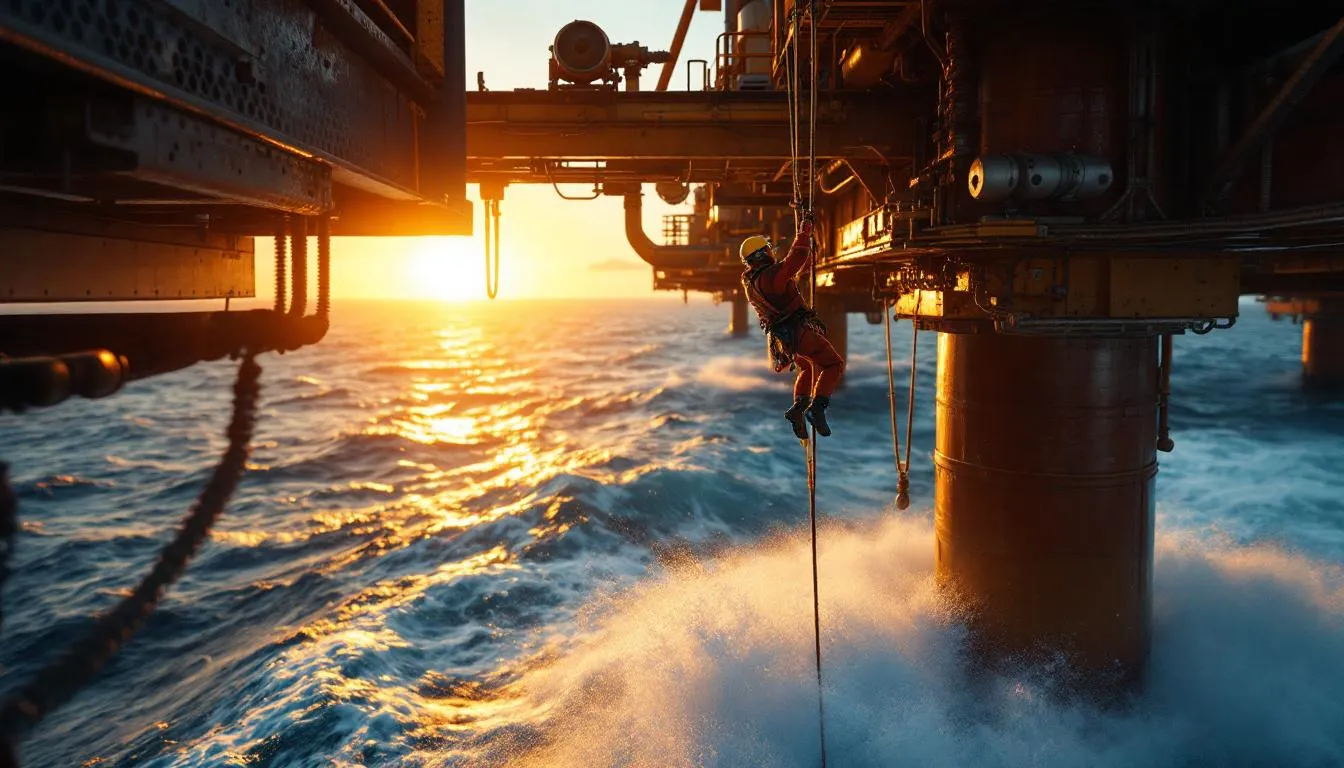
A roughneck's day starts before dawn and doesn't stop. You are on your feet for 12-hour shifts on the drilling floor, exposed to heat, cold, mud, and noise depending on where the rig is located. Offshore rigs mean you live in tight quarters with the same 50-100 people for two weeks at a time, then you get time off onshore. Onshore work is similar intensity but you might drive home each night. The work itself is repetitive and dangerous in the same ways every single day. Pipe connections, equipment checks, mud management, safety protocols. You follow them exactly or people die.
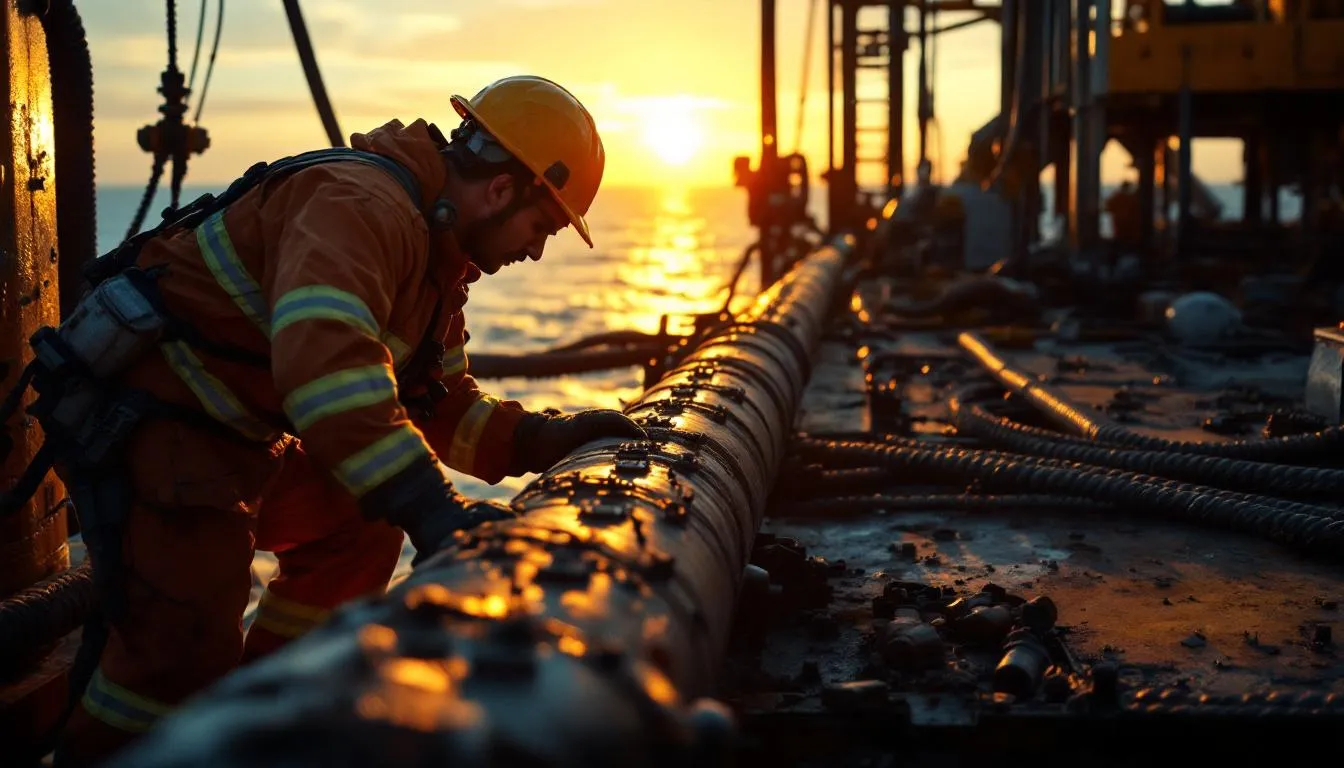
Your job is to assist the driller and tool pusher in keeping the drill moving into the ground. This means connecting and disconnecting drill pipe, moving heavy equipment across the floor, maintaining tools and equipment in working order, and responding immediately when something breaks or goes wrong. You spend time in the mud room handling drilling fluid, cleaning equipment, and checking pipe for damage. During connections, you are focused and alert because mistakes create safety hazards. You also spend significant time on preventive maintenance, inspecting equipment, greasing connections, and reporting equipment issues before they become catastrophic failures. In bad weather or when pressure builds on the well, the pace accelerates and the risk increases.
You need to be physically strong and okay with intense, repetitive work. But more important is that you take safety seriously and follow procedures even when you are exhausted. People who succeed here are unafraid of physical danger but respect it. You also need to tolerate isolation and unpredictable schedules. The best roughnecks are humble enough to learn from experienced workers and disciplined enough to stay alert during long shifts.
Most operators hire roughnecks with no experience. Start by applying directly to oil and gas companies or contract staffing firms that supply rig workers. Some companies prefer you to have your HUET certification (Helicopter Underwater Escape Training), which costs around $1,500 and takes three days. You also need a valid passport and pass a medical exam and drug test. Basic first aid certification helps. Once hired, you start as a roustabout or derrickman trainee, working alongside experienced roughnecks for 6-12 months before moving into a full roughneck position. Training is on the job. Pay starts immediately. Most roughnecks break into the job by knowing someone on a rig, so network in oil towns like Odessa, Lafayette, or Houston. Larger operators like BP, Shell, and ExxonMobil have formal entry programs.
The schedule destroys relationships. Two weeks on, one week off, or 28 days on, 28 days off depending on the rig. You miss birthdays, anniversaries, and holidays. Some guys' marriages end because their spouse got tired of being alone. The work is also dangerous in ways you cannot fully prepare for. People get crushed, burned, and killed on rigs despite safety protocols. You will see accidents. The isolation offshore is real, too. You are on a platform with no escape, no going out to eat, no privacy. Some guys handle it fine. Others spiral into depression or substance abuse. The pay is high enough that guys stay in bad situations longer than they should. And the industry is cyclical. When oil prices drop, companies lay off thousands of roughnecks with no warning. You can be making six figures and unemployed in three months.