Pearl Diver (Modern)
You're underwater harvesting actual pearls from oyster beds. This isn't recreational diving or tourism—you're part of a centuries-old trade that still moves millions of dollars a year. The work exists in places like Tahiti, Australia, and Japan, and it requires real skill, serious breath control, and the ability to work in conditions most people never see.
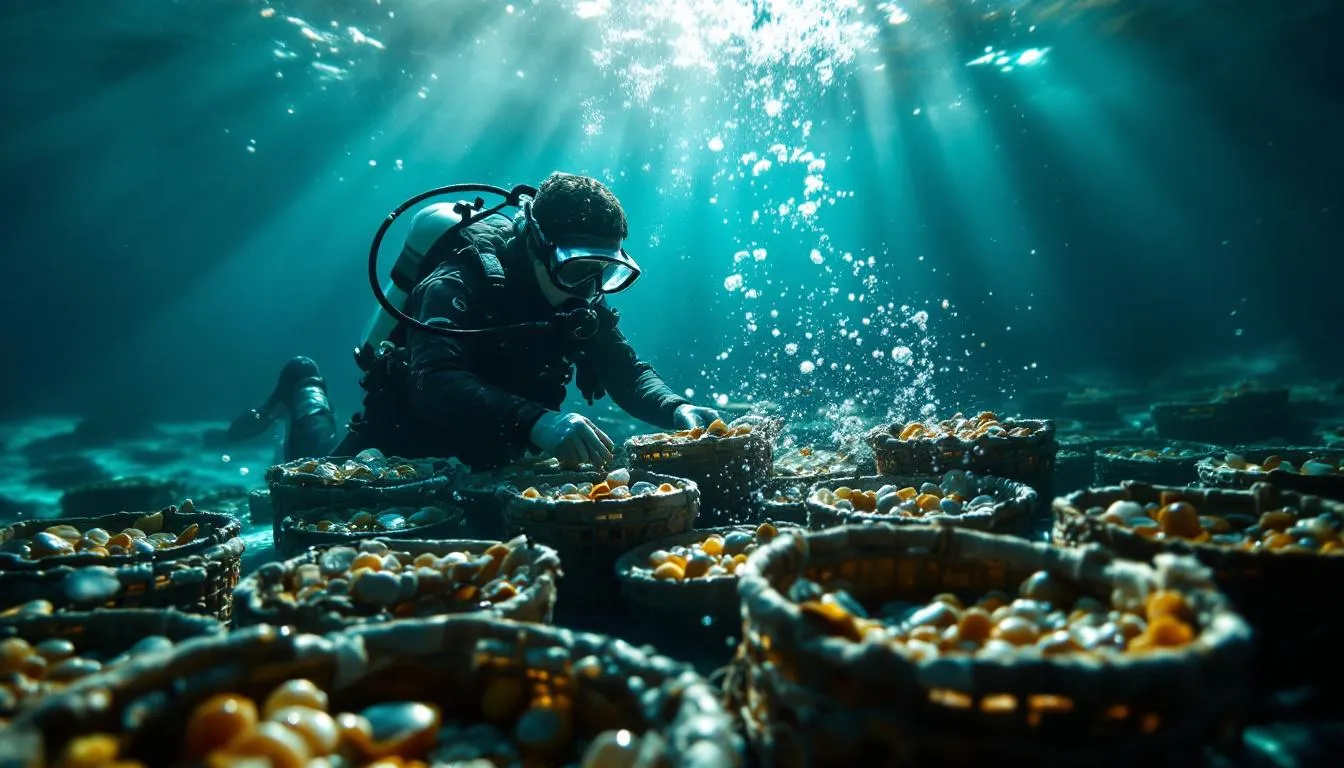
Pearl diving is nothing like the fantasy. You're working on commercial farms, not treasure hunts. Most days you're diving 40-80 feet to tend oyster beds, check for disease, seed new oysters, and mark ones ready for harvest. The work is repetitive and methodical—you need to be precise because a sick oyster spreads fast through a farm. You're underwater 4-6 hours a day, split across multiple dives. The farms operate in tropical and subtropical waters, so you're working in locations like Australia's pinctada beds, French Polynesia, or Japan. You work with a small crew and a surface support team. The pace is steady but not frantic—pearl farming is a long game, and so is your workday.
Your day starts before dawn. You gear up with your wetsuit, tanks, and weight belt, then get briefed on what the farm needs that day. Most of your time underwater is spent examining oysters for health, disease, and maturity. You learn to spot infections, parasites, and poor pearl development at a glance. You'll hand-seed oysters with the nuclei that become pearls, working carefully to avoid damaging the tissue. The seeding is precise work—one wrong move and the oyster rejects the nucleus. You photograph beds for record-keeping, move oysters between depth zones as they mature, and mark which ones are ready for harvest. Occasionally you're doing minor maintenance on farm structures underwater. You surface regularly to decompress, report findings to the farm manager, and check your air supply. Some days you're diving in near-perfect visibility with calm water. Other days the current is strong, visibility drops, and you're working by feel and training. You log every dive, every oyster bed status, and any health issues you spot.
You need genuine comfort in deep water and the discipline to follow safety protocols exactly every single time. This job wants people who are methodical, detail-oriented, and good at working in isolation—you're underwater alone most of the day. You should be physically fit (not gym-fit, but capable of handling physical stress underwater), and you need to handle repetition without getting bored or sloppy. Willingness to move to remote locations is essential. You should be comfortable with equipment-dependent work and honest about your limits.
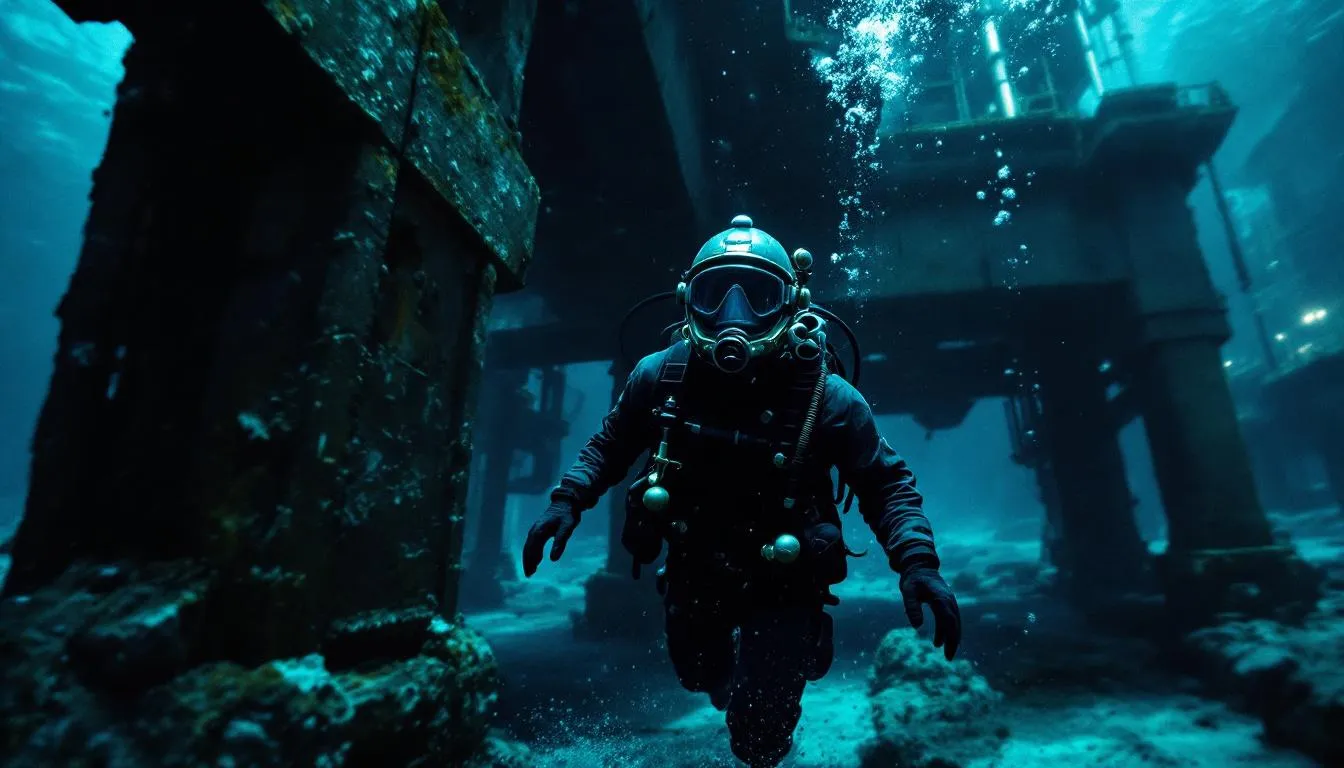
There is no direct path from high school to pearl diver. You need commercial diving certification first. Most people start with a commercial diving school (ADCI accredited programs in the US, or equivalent programs in Australia and other diving nations). This takes 6-12 months and costs $15,000-30,000. You'll learn deep diving, mixed-gas diving, decompression procedures, and underwater welding or construction basics. After certification, you move into entry-level work on commercial diving projects—offshore oil, bridge inspection, salvage—to build experience and log dive hours. Once you have 2-3 years of commercial diving under your belt, you can target pearl farm work. Most farms hire through diving contractors or directly, and they prefer divers with aquaculture experience. Some divers move into pearl farming in their late 20s or early 30s after establishing themselves in commercial diving first. The location matters: Australia, Tahiti, and Japan are the main markets. You may need to relocate or be willing to work on contract in remote locations. Language skills help in Japan and French Polynesia.
Commercial diving is dangerous, and pearl diving is no exception. Decompression sickness (the bends) can cripple or kill you if something goes wrong. Nitrogen narcosis, oxygen toxicity, and equipment failure are real risks at depth. You're working in remote locations far from advanced medical care. A serious diving accident might mean a long boat ride to a real hospital. Most farms have safety protocols and insurance, but accidents still happen, and they can be permanent. The isolation is real. Remote pearl farms in Australia or Tahiti mean months away from family, limited internet, and a small social circle. The work is repetitive—examining oysters gets old fast. The pay is good, but you're trading years of your life to earn it. Commercial diving careers often don't extend into your 60s due to accumulated decompression exposure and the physical toll. You're building toward something in your 30s and 40s, knowing you probably can't dive forever.