Pipeline Pig Operator
You're operating equipment that travels inside pressurized oil and gas pipelines to catch corrosion and defects before a rupture happens. The work is highly specialized, pays well, and requires someone who can think clearly under pressure. Most people have no idea this job even exists.
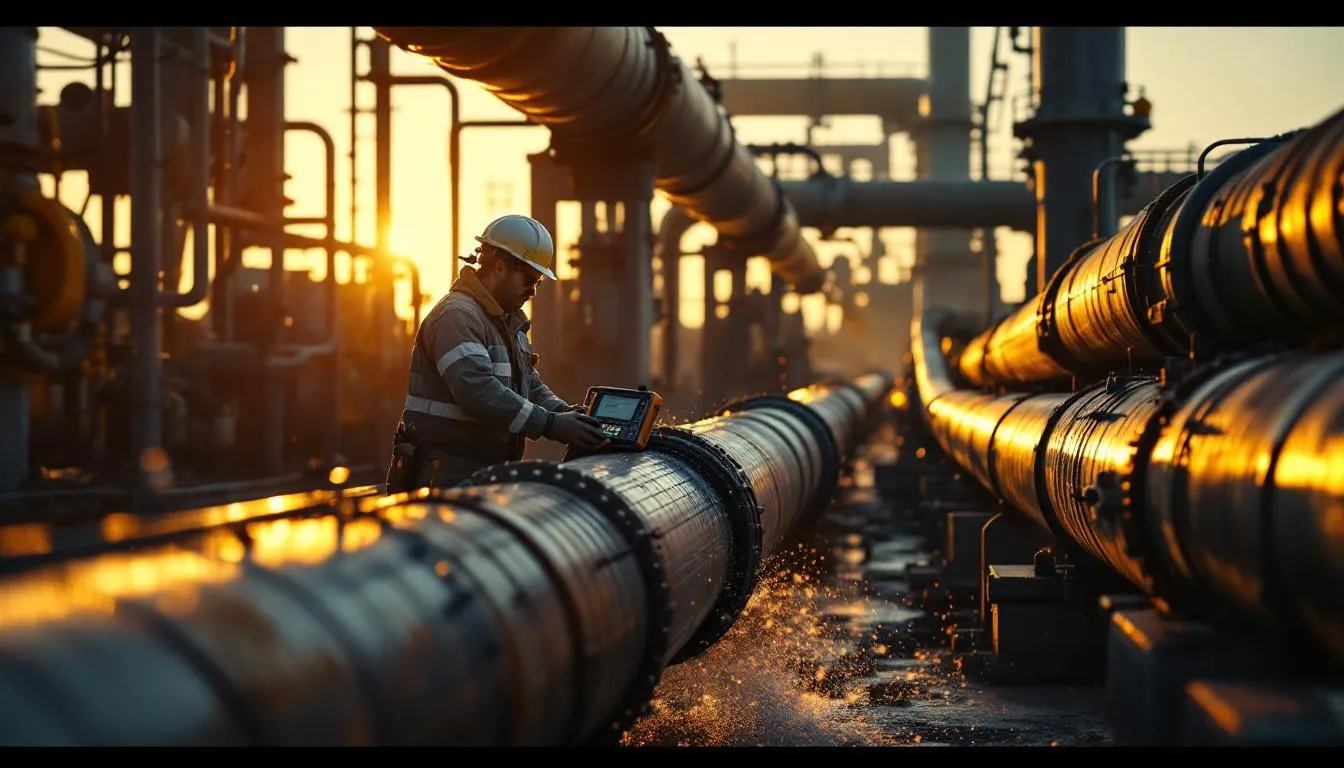
Pipeline pig operations happen at pump stations and receiving terminals along oil and gas lines that span hundreds of miles. You work with a small team, often in remote or industrial locations. The pace is methodical when you're prepping and launching, but the stakes are always high because a missed defect can mean a pipeline failure that costs millions and creates real danger. You spend time in control rooms monitoring systems, outdoors at launch and retrieval sites, and sometimes in specialized facilities. The work is technical but hands-on. You're responsible for making sure the pig leaves on schedule and returns with clean data. Equipment failures, weather delays, and tight deadlines are normal.
Your day starts with reviewing the pipeline run schedule and checking the pig for damage or stuck debris from the last run. You'll inspect launch/retrieval traps, verify all connections are tight, and check pressure readings on the system. Once everything is ready, you pressurize the line and launch the pig, monitoring its progress through the pipeline with sensor data and timestamps. While the pig is traveling, you're tracking it remotely and watching for pressure spikes or anomalies that indicate a problem. Depending on the pipeline length, this can take hours or days. You maintain detailed logs of everything. When the pig reaches the retrieval point, you oversee the extraction, inspect it for wear or damage, and document any findings. You'll also troubleshoot when things go wrong. A pig can get stuck, a sensor can fail, or a valve won't open on schedule. You need to diagnose the issue quickly and work with the team to recover it. You may travel between sites, train new operators, and work rotating shifts including nights and weekends depending on pipeline operations.
You need to be detail-oriented enough to catch small inconsistencies in data, but also comfortable making decisions when something doesn't match expectations. You're not squeamish about isolation or being on-call, and you can stay focused during long monitoring periods where nothing happens until it suddenly does. People who do well here are methodical, don't panic under pressure, and genuinely care about getting it right because they understand what happens if they don't.
Most operators start by getting hired at a pump station or terminal in an entry-level operations or maintenance role, often with just a high school diploma. From there, you move into pig operations training once you've proven you can follow procedures and handle equipment safely. Some companies run internal training programs that take 3-6 months. Others expect you to earn certifications like ASME pressure vessel training or pipeline safety certification while on the job. Trade organizations like the American Petroleum Institute (API) offer pipeline safety courses that employers value. Community colleges in oil and gas regions sometimes offer pipeline technician programs. The key to getting in is starting in entry-level station work, showing competence, and expressing interest in pig operations. Once hired into the role, most operators are earning within 6-12 months.
Pipeline work can be feast or famine. You might work long stretches with overtime, then face weeks where runs are scheduled far apart and hours dry up. The job is often in remote areas with nothing nearby, and you may spend days alone at a retrieval site waiting for a pig to arrive. On-call schedules are common, meaning you need to drop everything when a run is scheduled. The pressure is real. You're responsible for data that determines whether a $50 million pipeline stays operational or gets shut down for repairs. If you miss something or make a procedural mistake, it doesn't just affect you. Equipment failures and stuck pigs are rare but stressful when they happen. You'll also face regulatory scrutiny. Everything you do gets documented and reviewed. If the pipeline operator's inspection results show a problem you missed, it gets traced back to your work.