Rigging Specialist
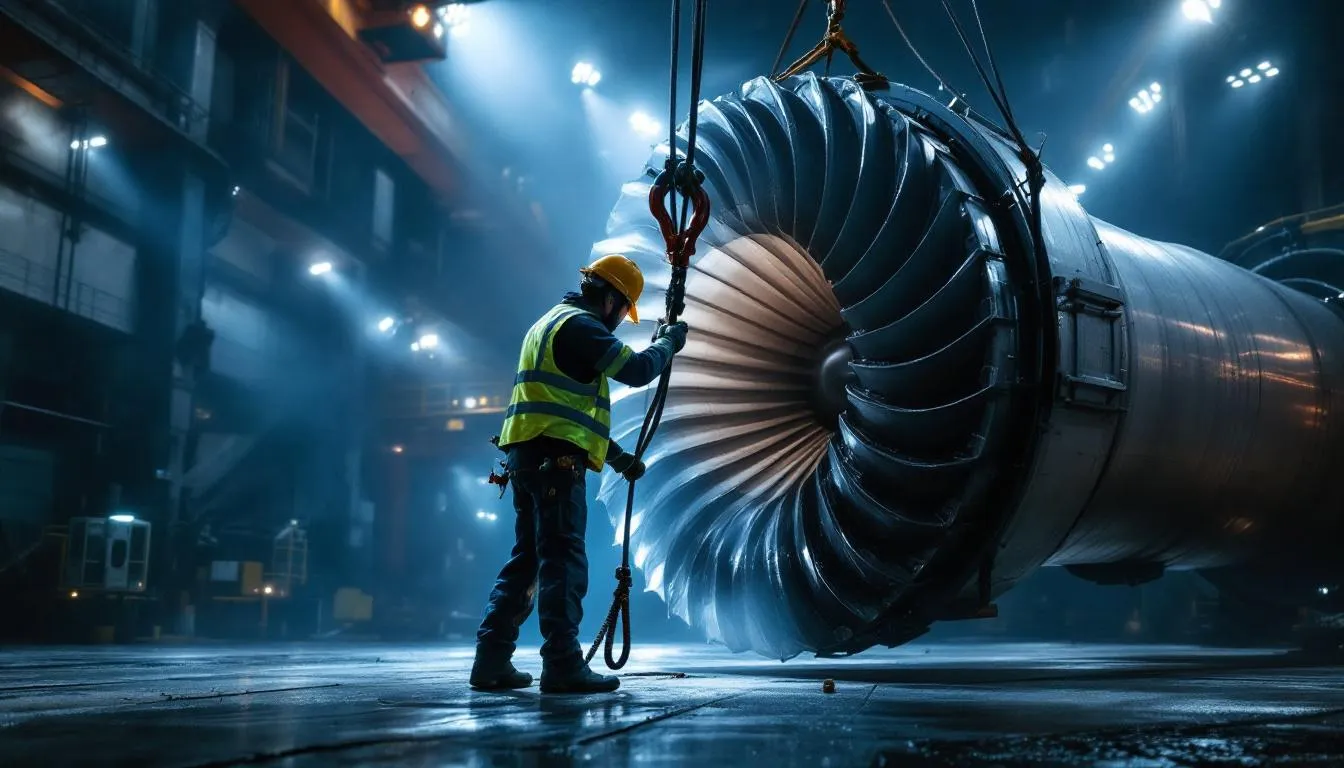
You're responsible for getting a 200-ton industrial turbine across a construction site without dropping it. One miscalculation and people die. The rigging specialist plans every angle, every sling, every lift point. It's problem-solving under pressure where the stakes are real.
Rigging work happens on construction sites, in factories, during equipment moves, and at major industrial projects. You spend time in your truck reviewing load specs and site blueprints, then on the ground orchestrating the actual lift. The work is loud, visible, and high-stakes. You work with crane operators, ironworkers, foremen, and safety inspectors. Everyone is watching because the consequences of a mistake are severe. Your day involves calculating weight distribution, inspecting hardware for damage or wear, securing loads to lift points, and communicating constantly with the crane operator and ground crew. Some lifts take minutes. Others take hours of setup for a lift that lasts seconds. The pace varies wildly depending on the project, but focus never drops.
Before any lift happens, you read the engineering plans and understand what you're moving, how much it weighs, where it's balanced, and where the lift points can safely attach. You calculate load paths, sling angles, and rigging hardware requirements. You physically inspect every sling, shackle, choker, and connection point for damage or degradation. You talk with the crane operator about the lift path and any obstacles. You brief the ground crew on positioning and safety zones. On lift day, you walk the load and placement area one more time, mark the exact lift points on the equipment, attach slings and hardware using hand signals and radio communication, and stand in a position where you can see both the load and the operator. Once everything is rigged, the operator lifts slowly while you watch for movement problems, uneven weight distribution, or rigging slippage. If something looks wrong, you stop the lift and figure out what's broken. Most lifts go smoothly. Some require re-rigging mid-lift. Between major projects, you maintain equipment, train crew members on rigging procedures, document every lift for liability and learning, and sometimes travel to job sites in different states or regions. Unusual work includes rigging irregular shapes like bridge sections or sculptures, moving equipment in confined spaces where precision matters more than speed, and trouble-shooting failed lifts where something went wrong and you have to figure out why and fix it.
You need to be methodical and precise. Rigging isn't about speed, it's about certainty. You should enjoy problem-solving with math and physics, and you need to handle responsibility calmly. People who succeed here are detail-oriented but not paralyzed by details, communicate clearly under pressure, and respect the weight of what they're moving literally and figuratively. You also need comfort with heights, confined spaces, and working outdoors in bad weather.
Most rigging specialists start as laborers or ironworker apprentices on construction or industrial sites. You learn rigging basics on the job under experienced riggers, starting with simple load movements and graduating to complex lifts. Get your NCCER Rigging Level 1 certification (the industry standard) through a community college, union apprenticeship program, or employer-sponsored training. This takes 4-6 weeks. Many union ironworkers (IRONWORKERS, Local 40 and similar) include rigging certification in their apprenticeships. Alternatively, some heavy equipment moving companies hire entry-level crew and train you to certified status within 12-18 months while you work. The Rigging Equipment Engineers Association (REEA) offers additional certifications if you want to specialize. Your first job might pay $18-22/hr as a rigging laborer. Once certified, you move to $28-35/hr within a year. You can start earning while you train.
The mental weight of this job is real. You're responsible for other people's safety every day. If your rigging fails, someone could die. Most days nothing goes wrong, but you carry that responsibility regardless. It can weigh on you over time. The work is also seasonal in many regions. Winter weather and cold ground make some lifts impossible or dangerous. You might work 60-70 hour weeks during summer projects, then face slower periods or layoffs in winter. The travel is constant if you work for major rigging companies. You could be away from home for months. Equipment costs money too. If you buy your own slings and hardware, you're investing in your toolkit. On older job sites, safety culture varies wildly. Some foremen cut corners on rigging procedures, and you have to push back or walk off the job.