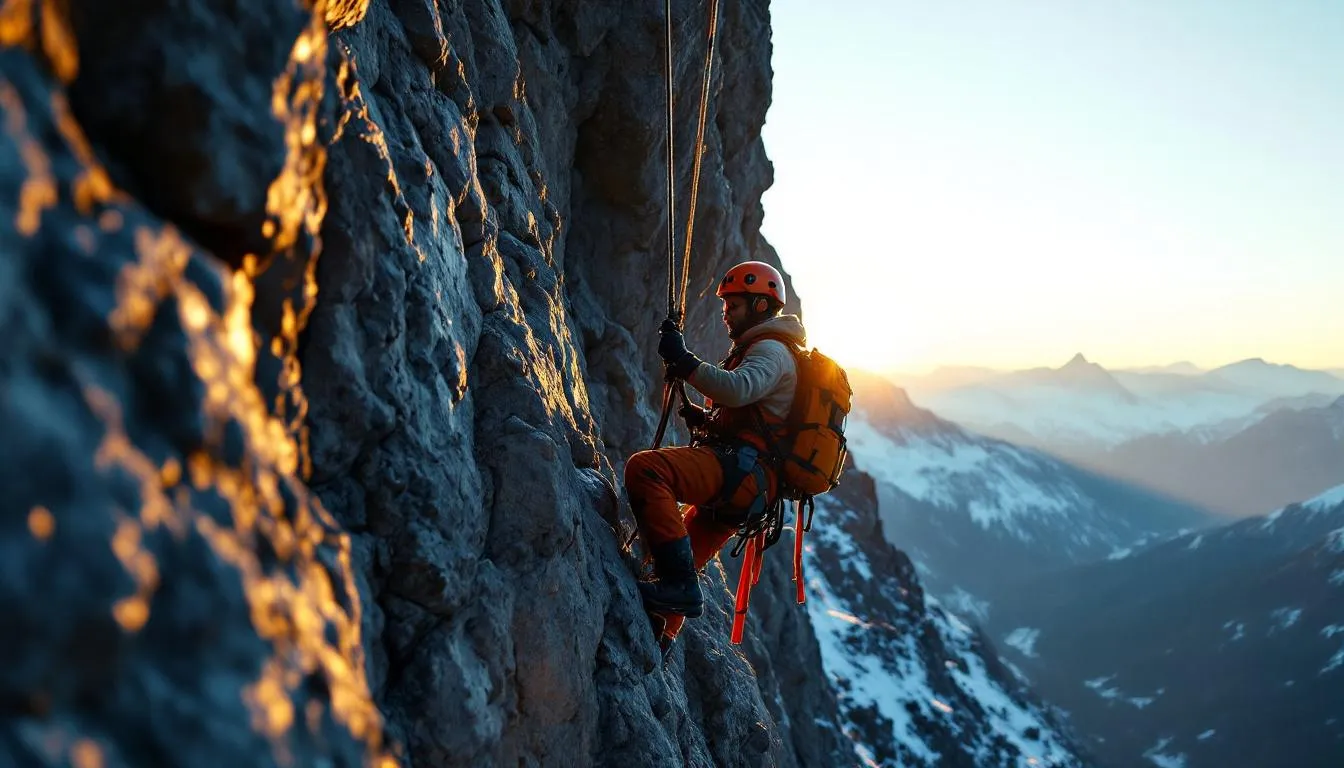
Search and Rescue Specialist
Search and rescue is one of the few jobs where you show up to work and have no idea what you'll face that day. Mountain cliff hangs. Flooded caves. Collapsed buildings. You train for all of it, then you actually do it. Most SAR work is volunteer, but a growing number of fire departments and private teams are hiring paid positions.
Search and rescue happens in the places that are actively trying to kill you. You work in small teams, often in bad weather, bad light, or underwater. Your job is to find someone in trouble and get them out alive, sometimes with minutes to spare. The work is irregular. You might be called at 2 AM or sit at station for a week with no deployments. When it goes, it goes hard and fast. You are working with firefighters, paramedics, and other specialists who have trained for the exact scenario unfolding in front of you.
On a typical day at station, you check and maintain specialized gear: ropes, harnesses, climbing equipment, diving tanks, rescue sleds, and technical rigging. You run drills constantly, rehearsing cliff rescues, cave extractions, water recoveries, and confined space entries. You study maps of your region and memorize hazards. When a call comes in, you load gear, get briefed on the situation, and move. You might rappel down a mountainside to reach an injured hiker, set up a rope system to lower someone out of a ravine, or dive into murky water to locate a missing person. In urban collapse, you crawl through unstable rubble, use listening equipment to find survivors, and carefully extract them without bringing the structure down. Between major calls, you might respond to lost hikers, stranded climbers, or people in water. You work with dogs, helicopters, drones, and ground teams. The job requires constant physical training, equipment certifications, and technical skill under stress.
You need genuine comfort with physical danger and the ability to stay sharp when adrenaline is spiking. You solve problems under pressure instead of panicking. SAR specialists are methodical and patient, willing to spend hours in training to handle a 15-minute emergency perfectly. You are not a glory seeker or a thrill junkie. You want the rescue to work more than you want the story. Strong physical fitness is table stakes, but mental toughness matters more.
Most SAR specialists start as volunteer firefighters or search and rescue volunteers, often for 1-3 years. This teaches you foundational skills and lets you prove you belong in life-or-death situations. From there, you can transition into a paid position with a fire department, county rescue team, or private rescue operation. Some people accelerate by taking specialized courses in rope rescue, swift water rescue, or cave rescue through organizations like the National Association for Search and Rescue (NASAR). Many paid positions require you to be a firefighter or paramedic first. Get your EMT certification (1-3 months, under $500), then apply to fire departments that run SAR teams. Once hired, the department trains you on technical rescue systems specific to your region. Total time to first paid position: 2-4 years of volunteering plus certifications.
SAR takes a psychological toll that most people don't anticipate. You will find dead bodies. You will extract people you could not save. You will get called out on holidays, in the middle of the night, in weather no one should be outside in. If you are on call, you cannot drink, you cannot travel far from base, and your life is not fully your own. The physical demands are real: rope rescue requires upper body strength, diving rescues require cold water tolerance, and mountain work means sustained cardiovascular effort while carrying 50+ pounds of gear at altitude. Equipment maintenance is tedious and endless. And in many regions, there is no paid SAR work at all, which means you volunteer while working another job to pay rent. Burnout is common. Many SAR specialists last 5-7 years before moving to something less intense.