Sheep Shearer
Elite shearers move so fast they can clear 200+ sheep a day and earn $60,000+ annually. The work is seasonal, physical, and demands precision. You travel for work, set your own pace within reason, and earn based on how many animals you finish, not how many hours you sit.
You work on farms or shearing sheds during peak seasons, usually spring and fall in your region, with opportunities to chase seasons across continents if you want year-round work. The environment is loud, dusty, and smells like sheep. You're bent forward for 8-10 hours a day, moving from one animal to the next with minimal downtime. The pace is relentless because you only get paid for what you finish. You work alongside other shearers, sometimes in teams of 5-20, competing informally for speed and efficiency. The animals vary in size, weight, and temperament, so every sheep presents a slightly different problem to solve fast.
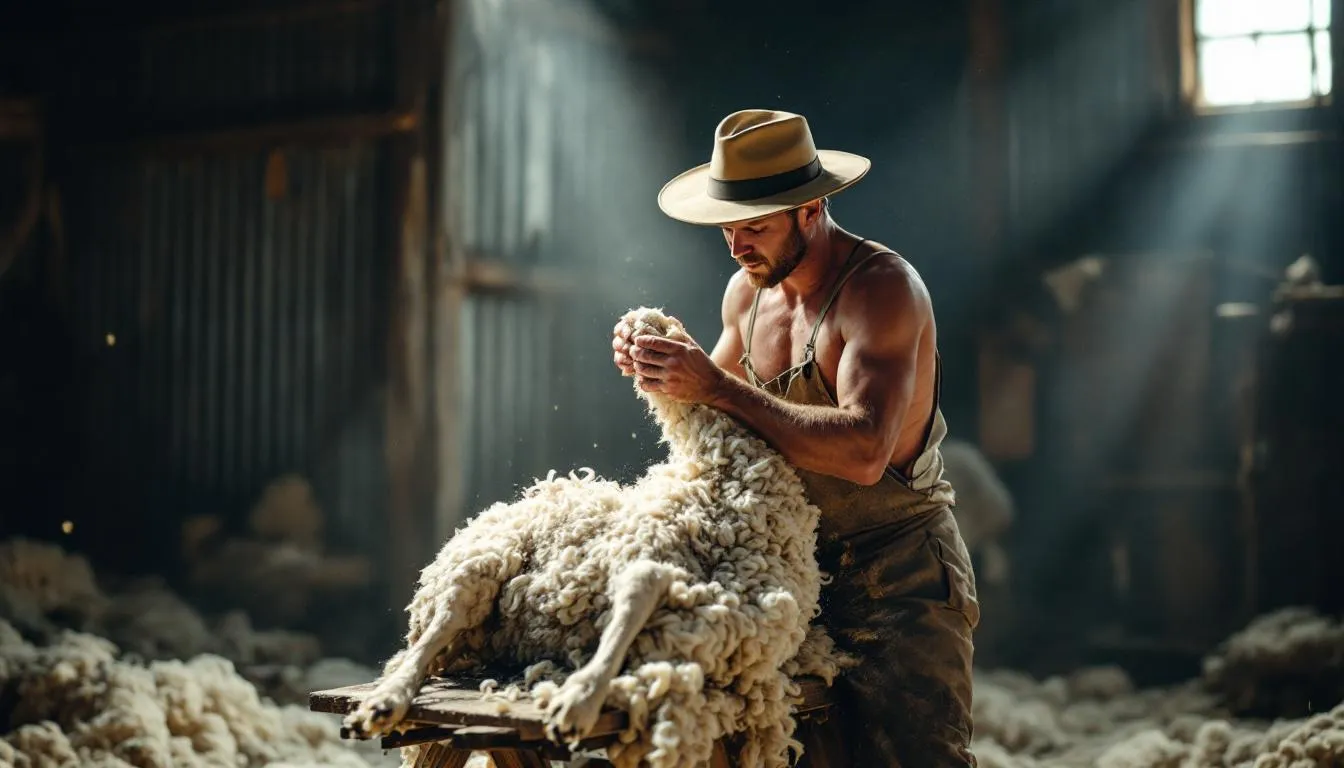
You start by catching or positioning each sheep, often on a shearing stand or platform. You clip the fleece off in one continuous piece using either hand shears or mechanical clippers, moving methodically across the animal's body. The goal is speed and a clean cut without nicking the skin. You work in patterns, starting with the legs and belly, moving to the sides, back, and neck. Once you finish an animal, you flip it off the stand, grab the next one, and repeat. Some days you'll handle 150-250 sheep. You're also responsible for keeping your equipment clean and sharp; dull blades slow you down and cost you money. Depending on the operation, you might also help pen up animals, sort fleece by quality, or load wool bales. On slower days or between seasons, shearers often travel to find the next job or maintain their tools.
People who handle repetitive physical work without getting frustrated, who stay sharp and focused for 10 hours straight, and who are driven by direct money-for-work mechanics. You need good hand strength and core stability but also the mental discipline to move fast without making mistakes that cost you time or money. Shearers who succeed also tend to be independent, willing to travel, and competitive enough to push their own pace without external pressure.
You don't need a degree or certification to start, but you do need training to become fast enough to earn real money. Most people begin by finding work at a shearing shed or large farm and learning on the job under an experienced shearer. You'll start slow, probably handling 30-50 sheep on your first days while someone shows you the mechanics and technique. Many shearers complete a 4-12 week shearing school or apprenticeship program, which teaches proper technique faster and gets you earning sooner. Organizations like the Australian Shearing Association or regional agricultural extension services can point you toward training. Within 3-6 months of regular work, you'll be fast enough to earn decent money. To go global, you typically need to build reputation, make connections at shearing competitions or on farm networks, and sometimes secure a visa sponsorship from a farm or shearing contractor. Most full-time shearers start earning within 2-3 months.
Your body pays a real price. Repetitive strain injuries in your wrists, shoulders, and lower back are common after a few years. Many shearers develop carpal tunnel or rotator cuff issues. You're also inhaling wool dust and diesel fumes from mechanical shears all day, which affects your lungs over time. The work is seasonal, so you're either working extremely hard for 4-6 months or scrambling to find work in the off-season. If you travel for work, you're away from home and living in temporary housing. Seasonal income also means irregular cash flow, which can make budgeting or getting loans difficult. And if you get injured during a high-season week, you lose money immediately with no paid time off.