Wildlife Relocator
You're the person who shows up when a 400-pound bear is in someone's garage or a 12-foot gator is sunbathing in a suburban pool. This job is part animal handler, part problem solver, part adrenaline rush. Most days are routine captures and relocations. Some days are genuinely dangerous.
Wildlife relocation is field work, period. You're in the field most days, responding to calls from animal control, homeowners, property managers, or wildlife agencies. The work happens everywhere: residential neighborhoods, farmland, swamps, forests, urban parks. You might be setting traps at 6 AM or responding to an emergency call at midnight. The pace is unpredictable. Some weeks you handle five calls. Some weeks you handle twenty. You work with a small team or sometimes solo, depending on the animal and the situation. You need to stay calm when an angry mother bear is between you and the exit. The actual capture and transport is the high-skill part. The rest is planning, documentation, equipment maintenance, and driving. You'll spend time cleaning cages, checking traps, maintaining nets and tranquilizers, and coordinating with local authorities about where the animal is being taken. Weather doesn't stop you. Heat, rain, snow, cold, you're going out.
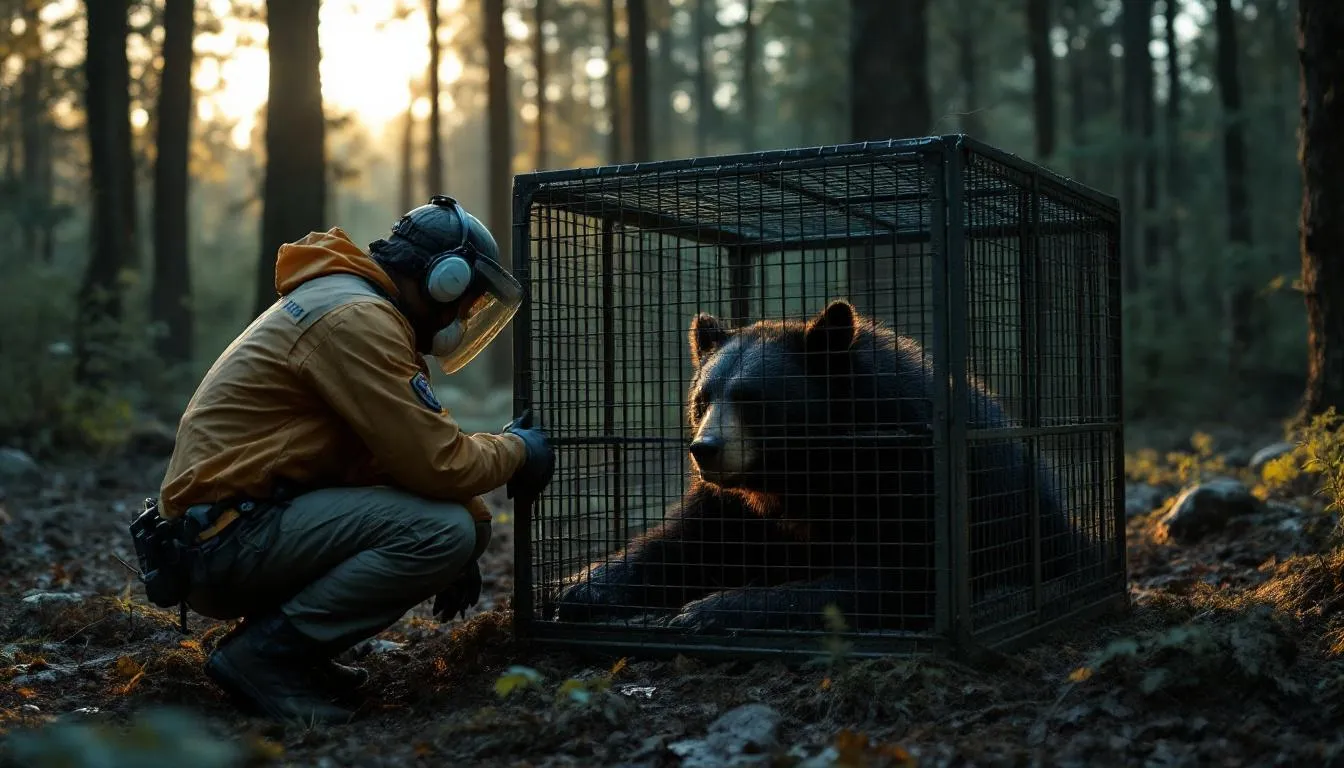
Most of your day involves assessment and setup. A call comes in about a nuisance animal. You drive to the location, talk to the property owner, evaluate the animal's behavior, and decide on a capture method. Is this a trap situation or a direct capture? Does the animal need tranquilization? You set traps (snares, box traps, nets) and monitor them, or you move directly into capture with specialized equipment. For some animals you use tranquilizer darts. For others you use nets, snares, or manual restraint techniques depending on the species and the situation. Once captured, you secure the animal in transport cages or containers designed for that species. Large animals like bears require specialized equipment and knowledge of their behavior. You handle the animal with speed and confidence but also respect for the fact that it's scared and can seriously hurt you. Transport means driving to a release location, often hours away. You document everything: the capture location, the animal's condition, the release site, the date and time. You maintain detailed records for state wildlife agencies. Downtime is spent maintaining equipment, cleaning cages, training on new techniques, and staying current on laws and wildlife protocols. You might trap and relocate five animals in a week or spend a week on standby with one major call.
You need genuine comfort around dangerous animals, not bravado. The best relocators stay calm when scared and read animal behavior like a language. You're problem-solving minded, methodical, and patient. You can take direction from authorities (animal control, fish and wildlife officers) but also trust your own judgment in the field. Physical toughness is required, but so is willingness to work as part of a team and follow safety protocols. You respect the animal as a wild creature, not an enemy. You're also okay with being on-call, working odd hours, and spending days in mud or heat chasing an animal that might elude you.
Most relocators start through animal control or working with a wildlife removal company. No college degree is required, but you need certifications and training specific to animal handling and relocation. Some states require a Wildlife Control Operator license, which typically involves an exam and documented field hours. Organizations like the National Wildlife Control Operators Association and the International Wildlife Control Council offer certification programs. These usually take 3-6 months and cover animal behavior, capture techniques, safety, and state laws. Many operators complete an apprenticeship with an established company while working toward licensure. You'll need a valid driver's license and a clean driving record. Physical fitness matters. Some positions require specific training in tranquilizer use or permit requirements. Start by applying to local animal control departments or wildlife removal companies. Most will train you on the job while you work toward your license. Once licensed and experienced (1-2 years), you can work for larger wildlife management companies, start your own removal service, or work directly for state wildlife agencies.
This job carries real injury risk. You get bitten, scratched, and hit. Bear claws can open you up. Alligators can take a finger. Big cats are unpredictable. You wear protective gear, but it's not foolproof. Injuries range from minor cuts to broken bones to serious lacerations. Workers' compensation covers it, but the scars add up and some relocators leave the job after a bad injury. The work is also emotionally heavy sometimes. You're often called in because an animal is dying or needs to be euthanized. A bear that's been in a residential area for weeks may be too aggressive to relocate safely. A gator that's lost fear of humans sometimes has to be put down. You see the conflict between humans and wildlife constantly. The relocation itself is not guaranteed to solve the problem. Animals sometimes return to their original territory, and some relocations fail. You also work in isolation sometimes, in swamps or remote areas at night, with little backup if something goes wrong.