Smokestake Inspector
You're 300 feet up inside a steel chimney with nothing but a rope and your tools, checking for cracks that could cost a factory millions. Smokestacks are industrial secrets most people never see. The work is technical, the view is insane, and the pay reflects the risk.
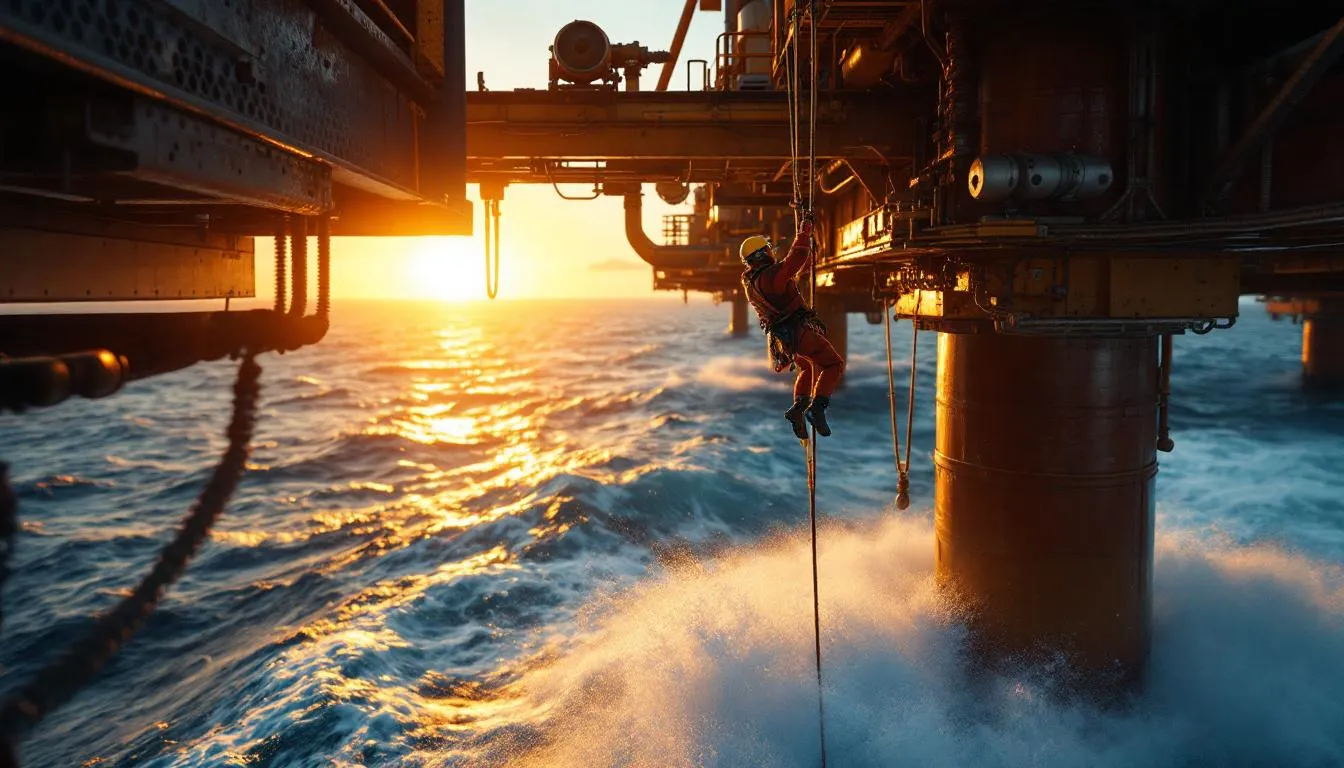
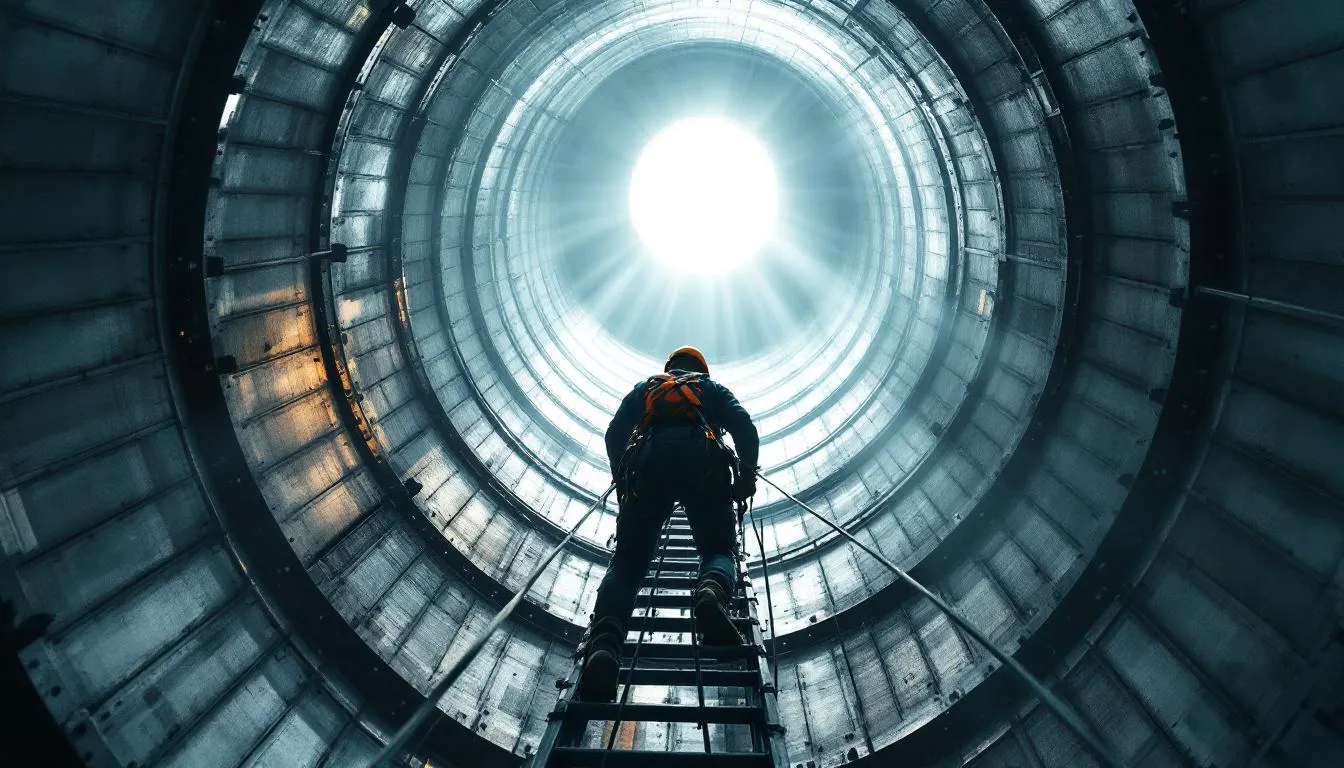
Smokestacks are massive. You'll climb them using rope access, internal ladders, or swing stages to inspect concrete linings, steel shells, and brick for cracks, erosion, and structural damage. The work happens in refineries, power plants, chemical facilities, and mills. You're often 200-300+ feet up. Weather matters. Wind, rain, and cold all change how hard the job gets. Most inspections take days or weeks, and you'll be working with a small crew. The pace depends on what you find. A minor inspection moves fast. Finding serious damage means detailed documentation and sometimes longer assessments.
Your day starts with safety briefing and equipment check. Harness, ropes, fall protection, measuring tools, cameras, and sample bags if you're gathering material. You ascend into the stack using ropes or internal ladders, moving slowly to inspect every section. You're looking for cracks in the concrete or brick lining, rust and corrosion on steel, missing or damaged refractory material, and structural shifts. You'll photograph everything, take notes, measure damage, sometimes chip samples for lab analysis. You use tablets or notebooks to document findings. If you're doing rope access work, you'll be rigging and managing your own safety systems. You descend, debrief, and write detailed reports. Some days you're up and down multiple times. Other days you spend eight hours on one inspection. Weather can shut you down fast. Ice, high wind, or lightning means you're not going up.
You need to be genuinely comfortable at height. This isn't a fear-of-heights job where you push through anyway. You're thinking about rope systems, anchor points, and fall protection constantly. You're detail-oriented and thorough because your notes become evidence if something fails later. You work well independently and stay calm under pressure. You're also practical about discomfort. You'll be cold, wet, tired, and bored sometimes. Guys who make it here respect the danger, follow protocol exactly, and don't take shortcuts.
You need rope access certification first. IRATA (International Rope Access Trade Association) Level 1 or 2 is the standard in most of the world. That's a week-long course that costs around $1,500-3,000 and covers climbing, safety, rescue, and equipment. Some employers will train you if you're already hired, but having the cert gets you in the door. You also need a valid passport for international work. After IRATA, employers look for construction or industrial experience, or they'll hire someone sharp and train them on stack-specific inspection. Companies like Global Industries, Superior Energy Services, or regional inspection firms hire Level 1 climbers and move them toward higher certs. Once certified, you start at entry level doing simple inspections and rope handling. You move to complex inspections, lead roles, and eventually specialized work like refractory repair or structural assessment as you gain years. First 6-12 months you're learning. By year 2, you're solid and earning real money.
Your knees and shoulders will hurt. Repetitive climbing, carrying tools and equipment up, and the constant tension on your body adds up fast. By year 5, most climbers have dealt with tendinitis or rotator cuff issues. You manage it, but it's there. Weather stops work often. A job that was supposed to be four days can stretch to three weeks if storms roll through. You're paid hourly, so cancelled days cost you. The isolation is real too. You're often on site for weeks at a time in small towns far from home, staying in hotels, eating bad food. Some guys love it. Others burn out after 18 months. Also, the industry is feast or famine. During recessions, refinery turnarounds get delayed, and work dries up fast. Contract jobs mean no benefits unless you land with a big firm. Small inspection outfits might not offer health insurance or retirement.