Underwater Cave Mapper (Speleodiver)
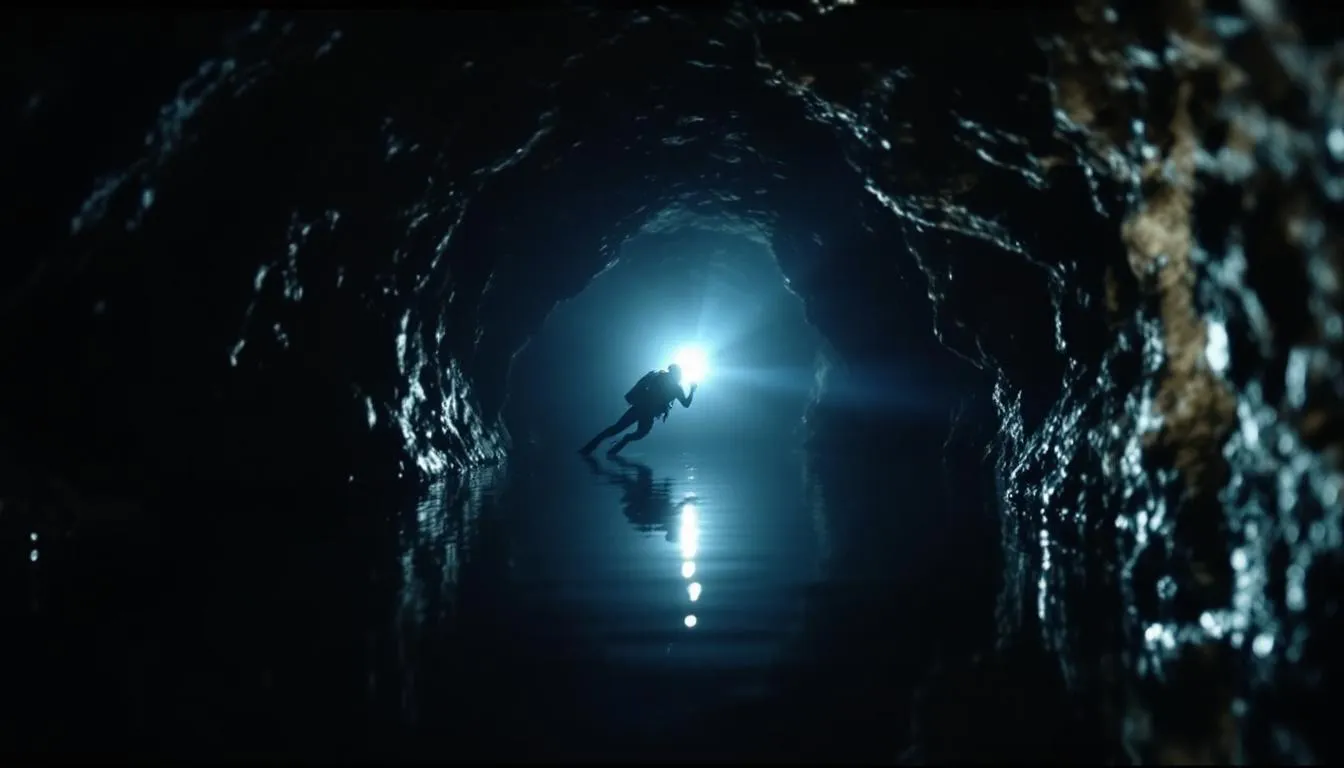
You dive into flooded cave systems with nothing but a light and your training, charting passages that may never surface on any map. The work is deep, dark, and genuinely dangerous. But if you pull it off, you're the first person to know what's down there.
You work in complete darkness in flooded cave systems, sometimes hundreds of feet down and miles from the entrance. Your job is to measure passages, note their width and depth, identify hazards, and create precise maps that add to human knowledge. The work is slow, methodical, and requires absolute focus. One mistake, one equipment failure, or one moment of panic can kill you instantly. You're never working alone, but down there, your team depends entirely on you staying sharp and following protocols that exist because people have died ignoring them.
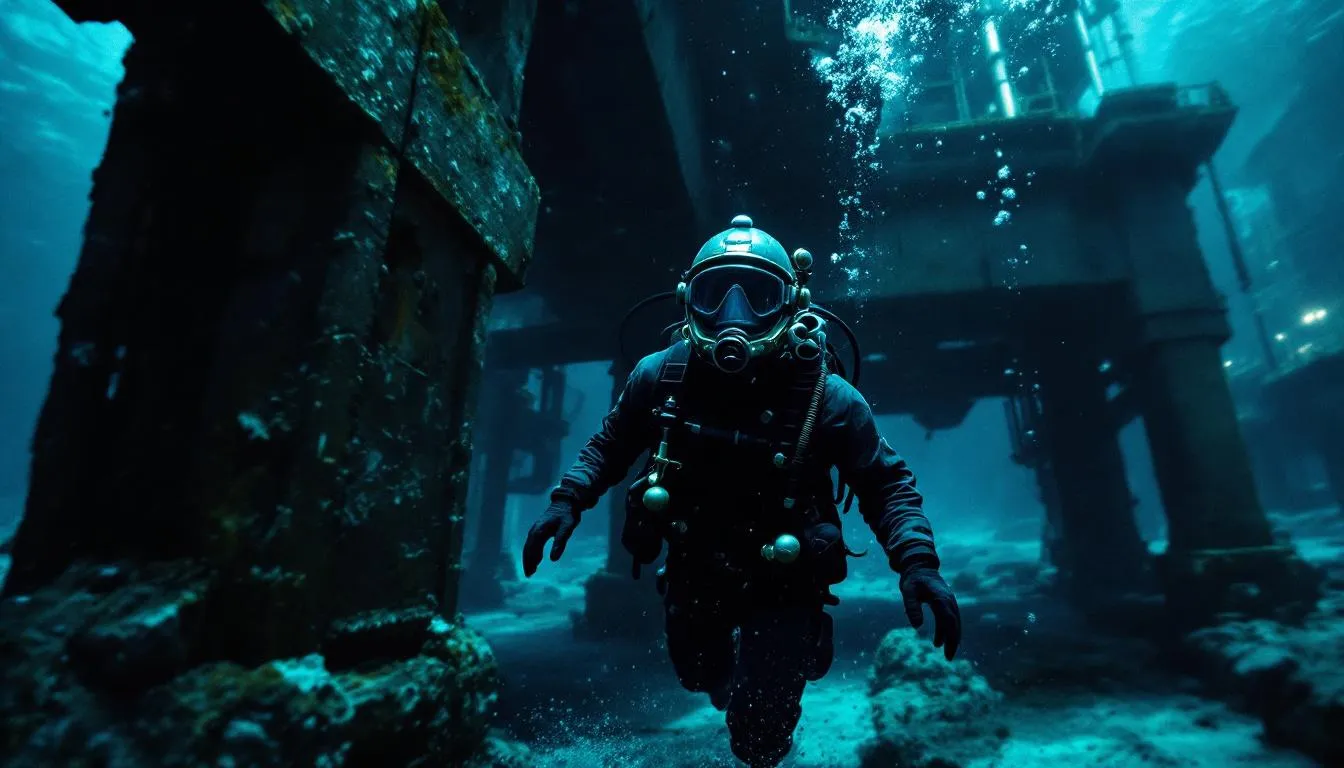
Before you ever enter a cave, you spend weeks planning the dive. You study maps, review previous expeditions, check weather and water conditions, and prepare your equipment in obsessive detail. Every tank, every line, every backup is checked and checked again. On dive days, you suit up in full cave gear: multiple tanks, redundant regulators, lights, depth gauges, and a reel and line system that keeps you from getting lost in the darkness. Once underwater, you move slowly through passages, often squeezing through tight sections. You navigate with a combination of dead reckoning, compass work, and line placement. You measure distances, note the shape and size of passages, identify obstacles and hazards, and collect data on water temperature, clarity, and flow. You communicate with your team using hand signals and touch signals. After exiting the cave, you spend hours translating your notes and measurements into detailed maps using specialized software. The data you create becomes part of the permanent record of Earth's submerged landscape.
You need the mentality of a person who is comfortable with risk and focused on process over excitement. You don't crave adrenaline; you crave precision and knowing you did the work right. You're methodical, detail-oriented, and genuinely interested in geology or exploration. You handle boredom and discomfort without complaint. You respect authority and protocols because you understand why they exist. You're also someone who can be alone with your thoughts and doesn't need external validation.
Start with basic scuba certification, then progress through advanced open-water courses. You'll need Cavern Diver certification (usually 3-5 days of training), then move into full Cave Diver certification (10-15 days with qualified instructors). Organizations like the National Association for Search and Rescue (NASAR), the Cave Diving Association (CDA), and the National Speleological Society run recognized programs. After certification, expect to log hundreds of hours in progressively more challenging caves before joining a major mapping expedition. Many speleodiverss start with geology or surveying backgrounds, but it's not required. What matters is technical diving skill, patience, and the ability to stay calm under extreme stress. Most people take 2-4 years of consistent training and practice before they're ready for serious mapping work. You'll pay for your own equipment and training, which runs $10,000-15,000 upfront. Expeditions themselves may be volunteer-based or funded through grants, research universities, or documentaries.
People die doing this. Not often, but regularly enough that you need to accept it as a possibility before you start training. Underwater cave diving combines two of the deadliest activities in the world. Your body can fail (decompression sickness, nitrogen narcosis, oxygen toxicity). Your equipment can fail (tanks rupture, regulators freeze, lights fail). The cave itself can shift (sediment clouds visibility instantly, passages collapse). Even with perfect training and perfect gear, there's a baseline level of risk that never goes away. You also need to accept that most of your mapping work will never be published or widely known. You'll spend weeks on an expedition, risk your life, and produce maps that maybe 100 people on Earth will ever see. The work is meaningful to science and exploration, but there's no glory in it.