Aerial Photographer (Manned)
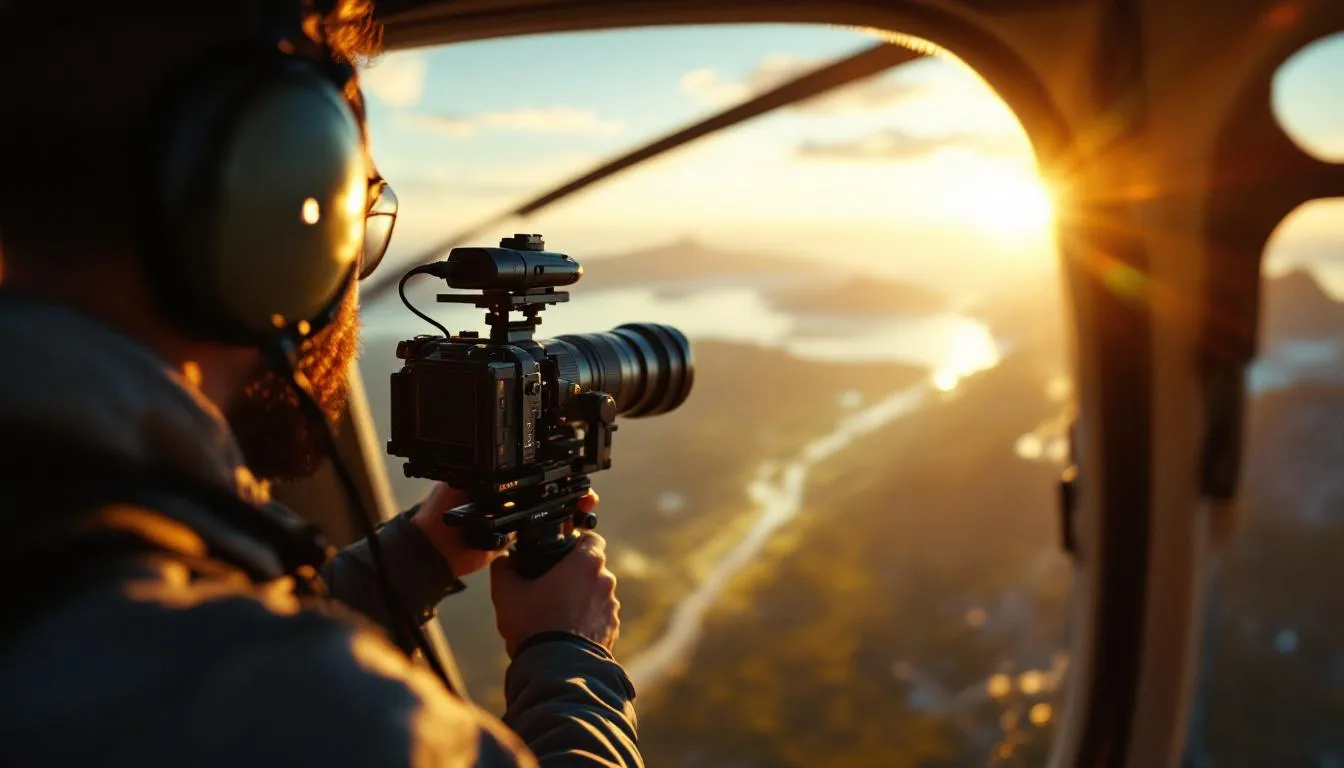
You're strapped into a helicopter or plane, door off, shooting down at the world below. The pay is solid, the views are unreal, and you're doing something most people will never do. Real skill matters here, not credentials.
Aerial photography is a mix of precision work and adrenaline. You're in aircraft (helicopters mostly, sometimes fixed-wing planes) shooting stills, video, or survey data for film crews, real estate companies, construction firms, and government mapping projects. The work is seasonal in some markets, steady in others depending on what sector you're in. You work with pilots, directors or project managers on the ground, and sometimes other crew in tight spaces. The pace depends on the gig: real estate shoots can be quick and repetitive, film work is longer and more technical, survey work is methodical and detail-heavy.
Your day starts with a safety briefing and equipment check. You load your camera gear (DSLR, mirrorless, cinema cameras, or specialized survey equipment) into the aircraft. Once airborne, you're framing shots while the pilot holds steady or maneuvers on your signal. You're managing exposure, shutter speed, and stabilization while the aircraft moves. For real estate, you're hitting multiple properties in a day, shooting quick clean images of houses and land. For film, you're working with a director's shot list, sometimes flying the same route multiple times to nail a specific angle. For survey work, you're following GPS waypoints, shooting overlapping grid patterns of land or infrastructure, precise and repetitive. On the ground you're offloading files, backing up data, sometimes doing basic editing or color grading depending on the contract. You're also maintaining gear, checking equipment before flights, and communicating with clients about what they're getting.
You need a steady hand and the ability to stay calm in tight, moving spaces. You have to think visually, understand light and composition, and communicate clearly with pilots and ground crews. People who do well here are detail-oriented but also adaptable, able to pivot when weather changes or a pilot suggests a different angle. You can't be afraid of heights or tight spaces, and you need to respect the seriousness of aviation without being rigid about it.
Start by getting strong at ground-based photography or videography. Build a portfolio showing you can handle light, composition, and fast-moving subjects. If you're the photographer or camera operator riding along, not the one flying the plane, no aviation certification is required of you at all. The pilot needs a Commercial Pilot License, but that is their credential, not yours. Get specialized aerial photography training or mentorship through places like the Professional Aerial Photographers Association or a local flight school that does aerial work. Some operators will hire you as a camera operator with just solid portfolio work and willingness to train on their specific equipment. Many aerial shops prefer people with video or cinema camera experience over still photography. You'll start on smaller gigs: real estate, local surveys, lower-budget film work. After 1-2 years with solid work, you can move into higher-paying commercial and film production work. Some photographers eventually earn their own Commercial Pilot License to fly themselves, which opens up more autonomy and pay, but that is a separate $10,000-15,000, several-month investment most people make later in their career, not at the start. Networking with local pilot services and production companies matters as much as credentials. Most full-time positions come through relationships and reputation, not job boards.
The work is physically demanding in ways ground photography isn't. You're often harnessed in, held in place while the aircraft banks and moves. It's loud, cold at altitude, and some people get motion sickness no matter how experienced they are. Early mornings are standard, and you're weather-dependent. A job scheduled for sunrise can get cancelled five minutes before you're airborne, and you might not know until then whether you're getting paid. Insurance and equipment costs can eat into entry-level pay. You also can't just pick up a cheaper camera and start, like you might on the ground. Most operators want you shooting on their gear or certified professional equipment, which you might need to buy in. The pilot is in charge of the aircraft, period. Sometimes their priorities (fuel, safety, wind) conflict with getting the shot, and you have to accept that.