Aircraft Painter
You're working on aircraft worth tens of millions of dollars, and your paint job is part of what keeps them looking sharp and protected. The work is precise, physical, and happens on massive curved surfaces hundreds of feet up. Most aircraft painters earned no degree to get here.
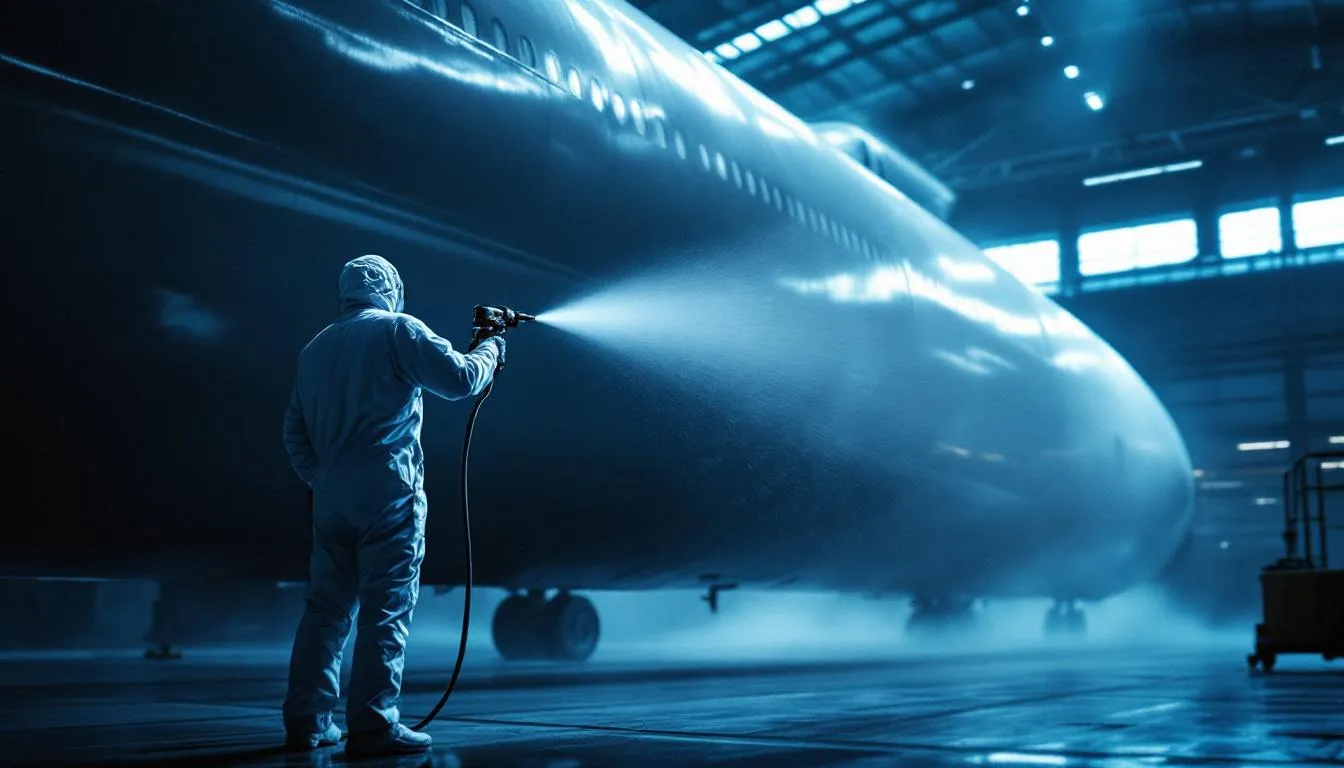
You start your day in an aircraft hangar or on the tarmac. The plane is already there, prepped or waiting for you. You're either spraying protective coatings that prevent corrosion and UV damage, or applying livery, which means the airline's colors, logos, and designs. The work is methodical. You mask off areas that shouldn't be painted, prep the surface, spray in controlled conditions, and inspect your work against specs that don't allow room for error. You're often working at height on scaffolding or lifts, sometimes inside a confined fuselage. The physical demands are real, but the pace is steady rather than frantic. You work with other painters, surface prep crews, and quality inspectors who catch mistakes before the plane flies.
Your day typically starts with surface preparation. This means sanding, cleaning, and masking large sections of the aircraft fuselage, wings, or tail. You use power tools and hand tools to get the surface ready, and you spend time laying down tape and plastic to protect areas that shouldn't be painted. Once prep is done, you set up spray equipment and apply primer or base coats. You work in climate-controlled booths or enclosed areas to keep dust and contaminants away. The spray pattern matters. You're laying down even coats on curved surfaces, which takes precision and practice. You move methodically across panels, checking coverage and looking for runs or drips. Between coats you wait for drying time, which you use to check your work, clean equipment, or prep the next section. Once the base coat is done, you may apply the livery, which involves stencils, masking, or advanced spray techniques to get company logos and striping exactly right. At the end, you inspect everything and document what was done. Some days you're doing touch-up work on planes coming back for maintenance. Other days you're doing full respray jobs that take weeks.
You need steady hands and the ability to focus on detail for hours at a time. Height doesn't scare you, and you're comfortable working alone on a lift 200 feet up. You take pride in finishing work that you know is being inspected under bright lights and held to industry standards. You're organized enough to follow masking and prep sequences without shortcuts, and you're willing to sand the same panel twice if the first pass didn't meet spec. Patience is as important as speed here.
Most aircraft painters start by getting hired directly by maintenance facilities or airlines as entry-level spray technicians, or by going through a trade school program in automotive or industrial painting first. The aerospace industry often prefers people with formal training, so a 6-12 month program in spray painting or coating application gives you an advantage. Look for programs at community colleges or vocational schools that emphasize precision and surface preparation. Some major airlines and maintenance facilities offer on-the-job training for the right candidates, though competition is tight. Once hired, you'll typically complete OJT (on-the-job training) under a certified painter, learning aircraft-specific techniques and quality standards. You'll need to learn and follow FAA regulations for aircraft maintenance and coating specifications. Getting your FAA Part 145 Airframe and Powerplant (A&P) certification isn't required to paint, but it opens doors to higher pay and other roles. Expect 2-3 years before you're fully independent and earning at the top of the entry range. The industry is union in many places, particularly at major carriers, so joining the painters' union (often part of the IAM or Teamsters) can mean better pay and job security faster.
This job comes with real health exposure. You're working with solvent-based paints, primers, and sealants that require proper respiratory protection. If you're not careful with PPE or if ventilation isn't adequate, you're breathing in fumes daily. Skin irritation and chemical sensitivity are common long-term issues. The work is also physically taxing on your shoulders, arms, and back from repetitive spraying and reaching. Many painters develop repetitive strain injuries by their 40s. The other reality is that you're working on a schedule tied to aircraft maintenance downtime. That means your work can be feast or famine, with long periods of overtime followed by stretches with limited hours. Some facilities are seasonal. If you're working at smaller shops, there's less job security. Major carrier jobs are steadier but highly competitive and can involve strict rules around perfection and strict union politics. Lastly, the masking and prep work is tedious and often underappreciated, even though it's what determines whether the finished paint job looks professional.