Asbestos Abatement Specialist
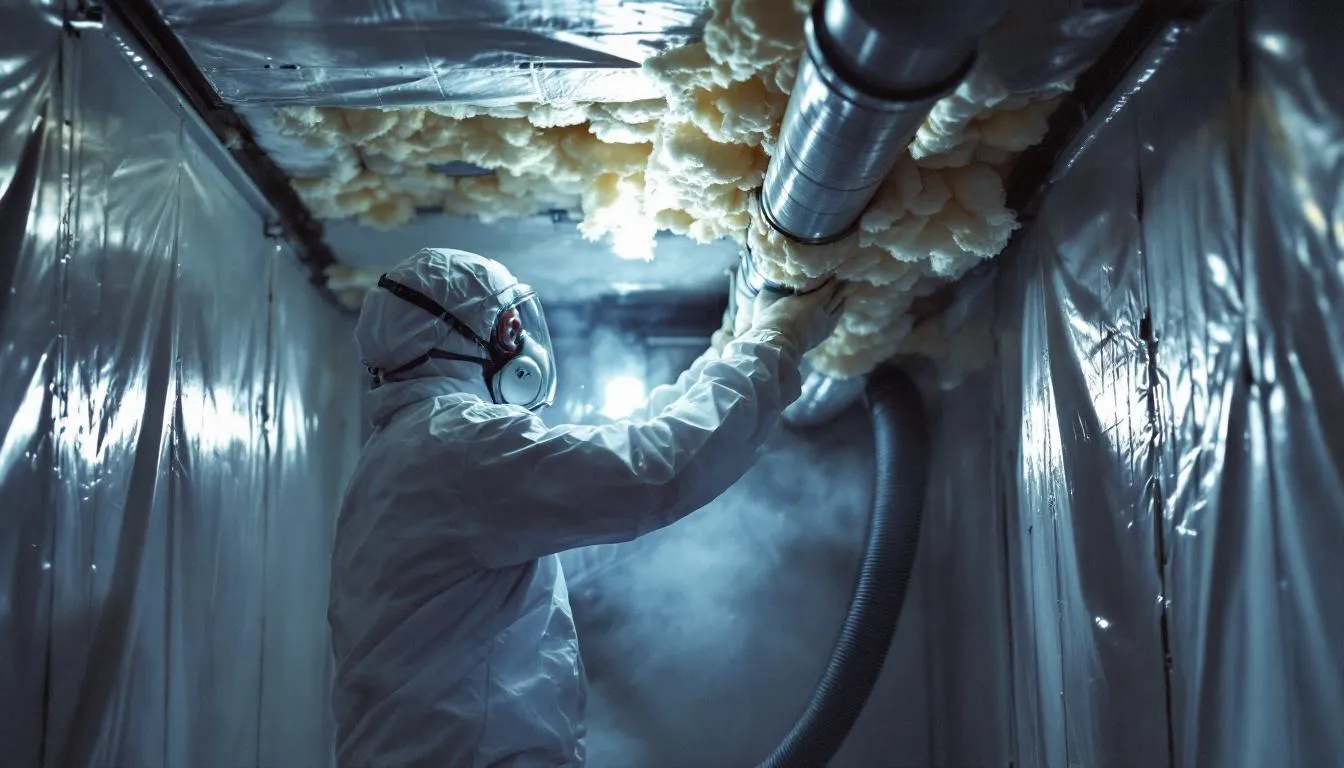
You're wearing a full hazmat suit, respirator sealed tight, carefully extracting materials that can kill if mishandled. The work is dangerous and highly regulated, which means the pay is real and the job security is solid. Most people won't do this. That's exactly why it pays.
Asbestos abatement is controlled, methodical work in buildings scheduled for renovation or demolition. You work in containment zones, often in older commercial buildings, hospitals, schools, or industrial facilities. The pace is slow and deliberate because speed and shortcuts kill people. You follow EPA and OSHA protocols to the letter, document everything, and dispose of materials through certified waste handlers. Most of your time is spent in full PPE, working alone or with a small crew, focusing completely on the task at hand. The environment is quiet, isolated, and requires intense concentration.
Your day starts with suit-up and air-quality testing inside the containment zone. You survey the area to identify all asbestos-containing materials, then systematically remove them using hand tools, vacuums equipped with HEPA filters, and sometimes wet-removal techniques to minimize dust. Everything that touches the material gets bagged as hazardous waste. You label, seal, and stage materials for disposal by licensed contractors. Between removal jobs, you prep containment areas, build negative-pressure enclosures, and run air monitors. Some days are physically demanding, pulling out pipe insulation or floor tiles. Other days are tedious, carefully wrapping and sealing every removed item. You fill out chain-of-custody forms, take photographs for documentation, and sometimes testify about your work procedures if there's a legal dispute. Health and safety reporting is constant and non-negotiable.
You need genuine attention to detail, not just the ability to check boxes. This work kills people if done carelessly, and that weight matters to you. You're someone who follows procedures because they make sense, not because you're told to. You also need to be comfortable working alone, sometimes in cramped or unpleasant spaces, for hours without interruption. The job rewards precision and patience over speed, which frustrates people who need constant activity or social interaction.
Start by getting your EPA Asbestos Renovator or Asbestos Abatement Supervisor certification, which requires a 5-day course and passing an exam. Many community colleges and trade organizations offer this. You can find programs through your state environmental agency or the National Association of Asbestos Professionals. Before or alongside certification, get hired as a laborer or assistant by an abatement contractor, which gives you on-site experience with containment procedures. Many contractors will pay for your cert once you prove you're reliable. Within 6-12 months of certified work, you'll be earning full abatement wages. Consider getting certified as a Project Designer or Supervisor after a few years for higher pay and leadership roles. Licenses vary by state, so check your local requirements early.
Asbestos abatement has brutal physical demands. You'll be wearing a full hazmat suit, sometimes for 6-8 hours, in heat or cold, in poor visibility. Your body takes a beating, and the respirator can trigger claustrophobia. Some workers develop chronic back and knee pain from the containment work. The real hidden cost is psychological. You know what asbestos does to human lungs. You handle materials that caused mesothelioma in thousands of workers. That weight doesn't leave you when you clock out. Some contractors cut corners or hire people who don't take it seriously, and you have to decide whether to report it. The industry also cycles with construction and demolition, so work can be irregular in slow markets. And if you mess up a containment or documentation, you're personally liable, not just the company.