Dialect Coach
You're on set with a major actor who needs to nail a Scottish accent for a film shooting in two weeks. That's your job. Dialect coaches work directly with talent on film, TV, and stage productions, solving one of the hardest problems in acting: making someone sound authentically like they're from somewhere they've never been.
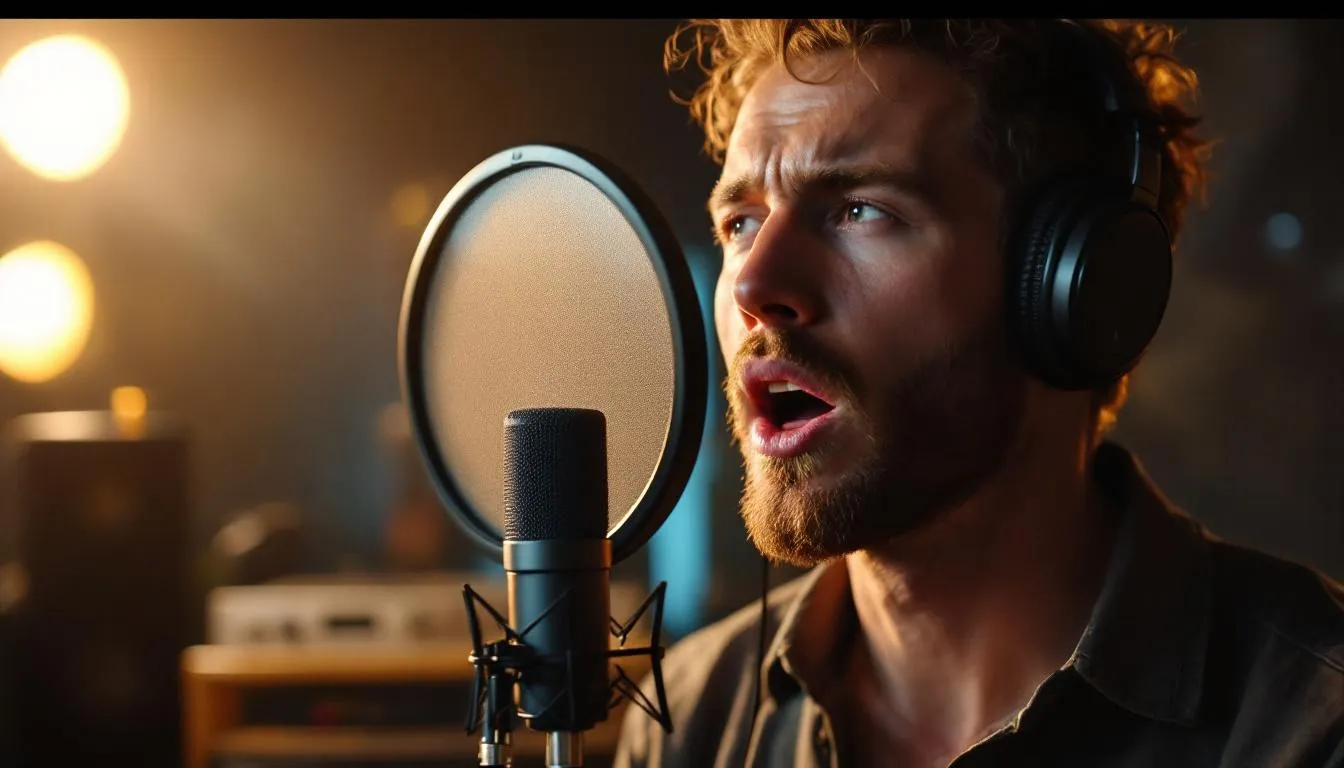
Your days are split between one-on-one sessions with actors and prep work. A typical week might include hourly coaching sessions where you listen closely as an actor attempts a new accent, pinpoint what's off (the vowel shape, the rhythm, the consonant placement), and walk them through the fix. You're teaching, listening, and adjusting constantly. Between sessions you're recording audio samples, studying regional speech patterns, and sometimes researching hyper-specific accents for roles nobody's ever played before. The work happens in studios, on film sets, in rehearsal rooms, and increasingly via video call. You work with people who are focused and sometimes anxious about nailing the accent before cameras roll.
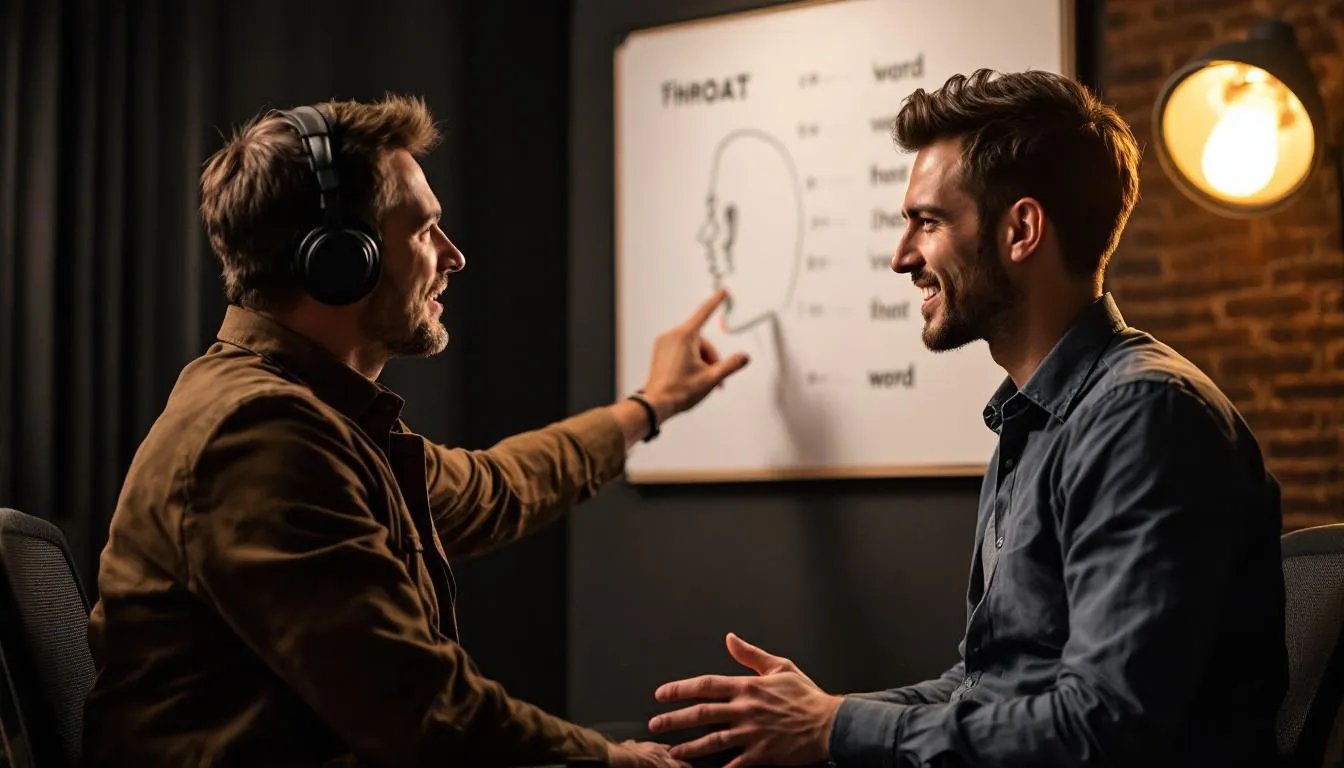
You start by understanding what the actor needs: Are they playing a person from rural Yorkshire or central London? Scottish Highlands or Lowlands? You listen to reference audio, study the phonetic differences, and figure out the clearest path from how they naturally speak to where they need to be. In coaching sessions, you demonstrate the accent (or have them listen to native speakers), then listen carefully as the actor tries it. You isolate the specific sounds that don't yet match native speech. Maybe it's the 'r' sound, or the way they're shaping vowels, or the overall rhythm and stress pattern of sentences. You explain the mechanics in a way that makes sense to them, often using visual descriptions ("your tongue should be here, not there") and have them practice repeatedly until it feels natural. You give feedback on consistency and authenticity. Some sessions are intense and repetitive. Others involve reading scripts aloud while you listen for accent drift, or recording takes so you can review them together. You keep detailed notes on the actor's progress, common mistakes, and what works for them. Occasionally you'll work with multiple actors on the same production, ensuring consistency across a cast. You're also researching constantly: listening to podcasts, interviews, and films to stay sharp on regional variations.
You need genuinely acute hearing and the ability to identify tiny phonetic differences instantly. You have to like teaching and be patient with repetition, since actors often need to hear the same correction multiple times before it clicks. People who thrive here are fascinated by how people actually speak (not just accents, but regional patterns, class markers, age in speech), and they're comfortable being wrong or adjusting their approach if something isn't working. You're working with performers who are sometimes stressed or insecure, so you need to give feedback that's specific and actionable without making someone feel bad about their native accent. Natural curiosity about language and culture matters more than formal education.
This job does not require a college degree, but it does require deep study of language and accent work. Most people start by getting formal training in phonetics and linguistics, often through specialized dialect coaching programs, acting schools with strong dialect curricula, or university-level speech/linguistics coursework (many of these programs accept students without a degree if you can demonstrate language aptitude). The International Phonetic Alphabet (IPA) is essential knowledge. The clearest entry path is enrolling in a dedicated dialect coaching program like those offered through organizations such as VASTA (Voice and Speech Trainers Association), which offers workshops and certification tracks. Others start as acting coaches or speech therapists and develop accent specialization over time. Some begin as actors themselves, develop their own accent skills, then transition to coaching. Build a portfolio by coaching friends or local actors in student films, recording before-and-after audio samples, and establishing a reputation in theater or film communities. You'll need sharp listening ability, which you can develop through intentional ear training. Once you have foundational knowledge and some recorded work samples, you can freelance directly with local film productions, theater companies, or casting directors, or seek representation through talent agencies that book coaching specialists. The path typically takes 1-2 years of formal study plus 1-2 years of building real-world experience and reputation before you're earning steady income.
This work is feast or famine. You might have three actors booked for intensive coaching in one month, then nothing for six weeks. Freelance income is inconsistent, especially when you're starting out. You also bear the emotional weight of an actor's anxiety about nailing an accent before production, and sometimes you're blamed if they don't pull it off (even though that's partly on them). The work is highly detailed and repetitive, which some people find satisfying and others find mentally exhausting. Your ears and voice can take a hit from constant listening and demonstrating accents. There's also a credibility challenge: some actors distrust dialect coaches or think they don't need one, and you have to earn their buy-in quickly. The field is relatively small, so reputation is everything, and one bad experience with a major actor can affect future work. Geographic isolation is real too: if you're not in a major film or theater hub, steady work is harder to find.