Dog Sled Musher (Professional)
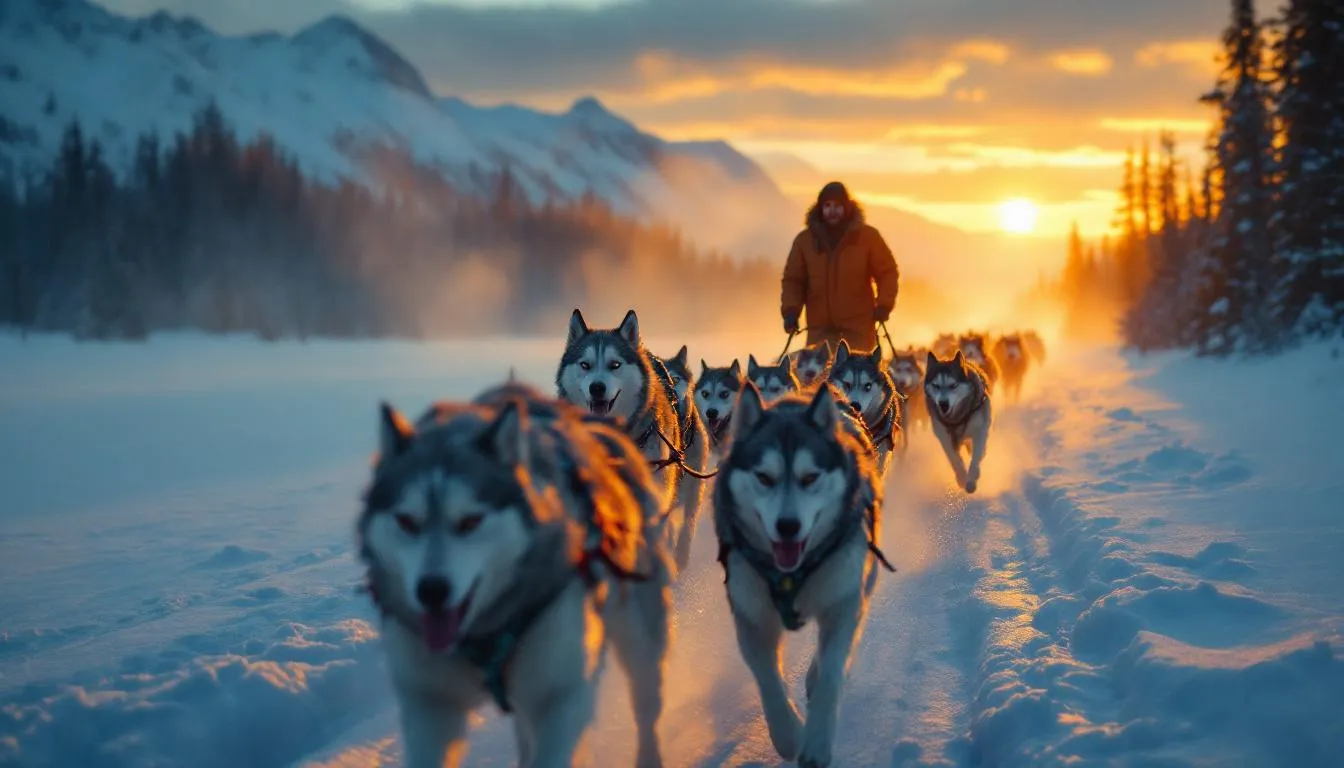
You're running a team of 12-16 dogs across hundreds of miles of ice and snow, navigating by GPS and instinct through conditions that would kill most people. This isn't a hobby — professional mushers compete in races like the Iditarod (1,000+ miles in Alaska) or guide expeditions for wealthy clients willing to pay serious money to experience it with you.
A professional musher's life revolves around your dogs. You spend most of your time conditioning them, training them, managing their diet and health, and maintaining gear in a cold garage or kennel facility. Race season is intense and short — typically winter months — where you're running dogs 8-12 hours a day in conditions ranging from just below freezing to 40 below. The rest of the year is training, breeding decisions, equipment repair, and physical conditioning for yourself. Most mushers live in Alaska, Canada, or other northern regions where the sport is viable. You're not just an athlete — you're a veterinarian, mechanic, nutritionist, and navigator all at once.
Your daily routine depends on whether it's race season or off-season. During training and off-season, you're up early running dogs in shorter loops to build their endurance and strength. You're checking paws for injuries, adjusting their diet based on activity level, and rotating which dogs run together. You're also maintaining sleds, runners, harnesses, and lines, plus managing breeding if you raise your own dogs. Some days you're filming content or doing media appearances for sponsors. During race season, you're on a sled behind running dogs for 8-12 hours straight in brutal cold. You're navigating checkpoints, making split-second decisions about dog pace and rest, managing equipment failures while moving, and pushing through exhaustion and cold that affects your judgment. You're also doing logistics — arranging dog food drops at checkpoints, hiring handlers to manage dogs at rest stops, coordinating transportation. Between race runs, you're sleeping 3-4 hours, repairing gear, caring for dogs, and staying fueled. The mental game is as tough as the physical one.
You need obsessive attention to detail about dog health and performance — missing signs of injury or poor conditioning costs races and endangers animals. You're willing to live a spartan lifestyle during winter and work 80-hour weeks for months straight with minimal sleep. You're mentally tough enough to push through pain and cold that breaks most people, and calm enough to make good decisions when exhausted and scared. You're not deterred by losing money upfront or waiting years to compete at a level that pays. You also genuinely like dogs more than most people, because your life is built around their needs.
There's no certification or degree required, but this isn't an entry-level job you walk into. You start by getting your own dogs and running them recreationally — this takes time and money. Most professional mushers begin as handlers or volunteers for established teams, working checkpoints, managing dogs during rest periods, and learning race logistics from the inside. You need to understand dog behavior, conditioning, and health at a deep level. You can take mushing schools and clinics (several exist in Alaska and Canada, often 1-2 weeks, costing $3,000-8,000). Start running local or regional races before attempting major competitions. Building a competitive dog team takes 3-5 years of breeding, training, and testing. You'll need to invest $20,000-50,000 just in dogs, equipment, and initial infrastructure. Most mushers earn money through race winnings, guiding clients, sponsorships, breeding dogs, or combination work. The path is slow and capital-intensive, but there's no degree standing in your way.
This job can kill you or your dogs. Hypothermia, running into open water under ice, getting lost in whiteout conditions, and sled crashes are real risks. Dogs die from exertion, illness, or accidents. You'll lose animals you've trained for years. The financial risk is brutal — most mushers bleed money for years before they break even. Equipment fails in dangerous places. You're often alone or with minimal support in remote wilderness. The sport has become increasingly political around animal welfare — expect public criticism, activist pressure, and ongoing debates about whether the work is ethical. Guiding clients means managing people's unrealistic expectations in brutal conditions while keeping them safe. Physically, this job destroys your body. Frostbite, repetitive strain from handling dogs, back injuries from standing on sleds for hours, and the cumulative effect of extreme cold on joints and circulation are standard. Many retired mushers deal with permanent cold sensitivity and chronic pain. The isolation is real — you spend months in remote areas or alone with dogs. Dating and family life are hard to maintain when your schedule is governed by seasons and race calendars.