Farrier
You're working with animals, metalworking, and craftsmanship all in one job. Farriers are in demand everywhere horses exist, which means steady work and the ability to set your own rates once you're established. This is one of the few trades where a solo operator can pull in six figures.
Farriers work mostly outdoors or in barns, shoeing horses one at a time. You're bent over or kneeling for hours. The horse is alive and can be unpredictable, so you need to stay alert and read the animal. The work is physical, repetitive, and demanding on your back, knees, and shoulders. You'll work alone or in a small team, set your own schedule mostly, and move between farms, stables, and private properties. It's seasonal in some regions but year-round in others. The pace is steady. You show up, the horse is waiting, and you have a defined job to do. There's no sitting at a desk or dealing with office politics. It's you, the horse, and your skill.
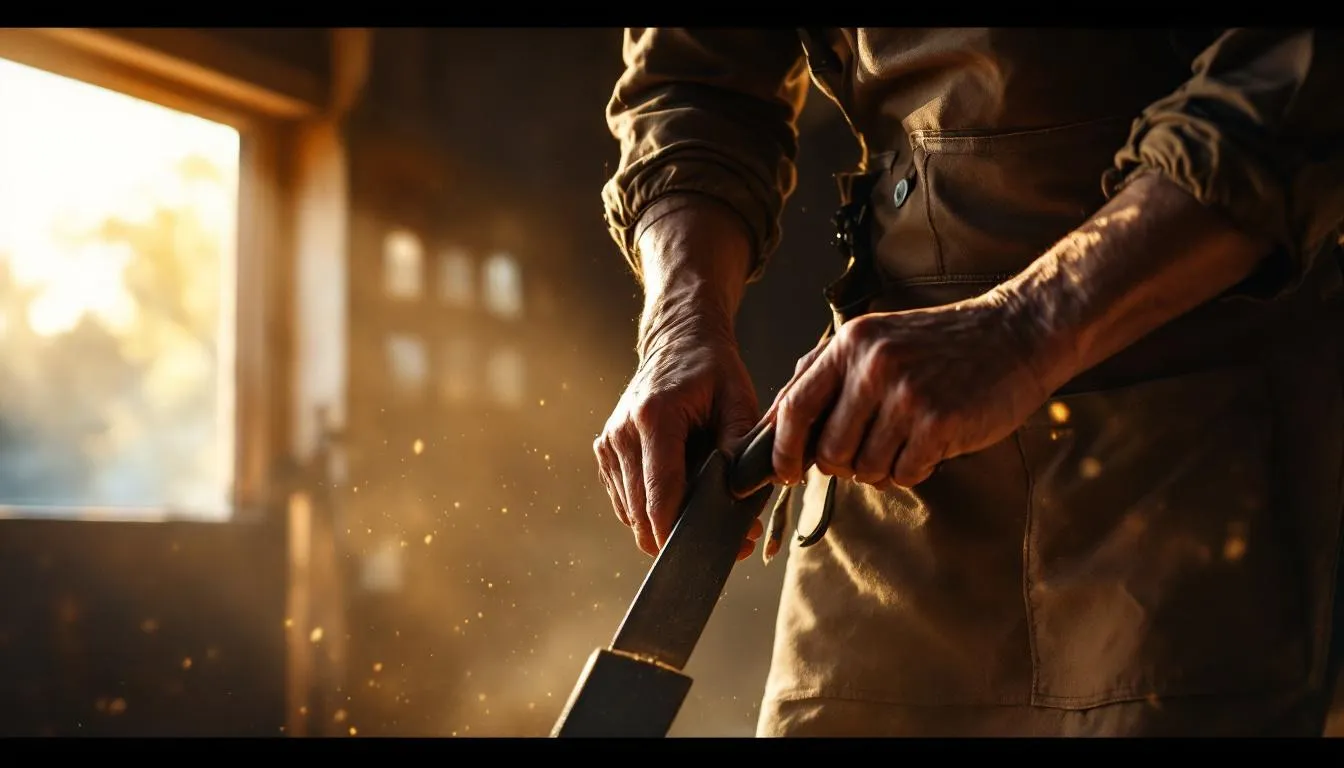
Your day starts with assessing the horse's hooves and gait. You clean out the hoof, removing old shoe, dirt, and diseased material. Then you trim the hoof to the right shape and balance using hoof knives, rasps, and files. This takes real precision because a bad trim throws the horse off and causes injury down the line. Once trimmed, you either fit a pre-made shoe or forge a custom one. If forging, you're working at a portable anvil or a shop forge, heating steel and shaping it to match the individual hoof. You nail the shoe on carefully, clinching the nails so they sit flush and don't dig into the horse. You rasp the hoof smooth after shoeing and check the fit and balance. Some days are straightforward shoes on healthy horses. Other days you're dealing with problem hooves: abscesses, contracted heels, navicular disease, or hooves so bad the horse can barely walk. That's where your skill makes the difference between a horse that improves and one that stays lame. You also handle corrective work, therapeutic shoes, and horses recovering from hoof injuries.
You need to be physically strong and willing to stay that way. Bad backs end farrier careers fast. You also need patience with animals and the ability to read a horse's mood and energy. The best farriers are methodical, take pride in precision work, and aren't bothered by repetition. You're also someone who prefers independence. You're not chasing a promotion or working your way up a ladder. You're building your own business, managing your schedule, and living or dying by your own reputation.
You need farrier school. Most programs run 8-12 weeks full-time and teach hoof anatomy, trimming, shoeing basics, forge work, and how to handle horses. The American Farriers Association and individual state associations maintain lists of accredited schools. After school, you either apprentice with an established farrier for 1-2 years or start your own outfit right away if you have good horse sense and steady hands. The key is finding horses to work on. Some farriers start by volunteering at local rescues or stables to build experience and a client list. Others apprentice under someone established and gradually take over clients. Horse communities are tight. Your reputation spreads fast. Once you have 10-15 regular clients, you can make a full-time living. No degree required. No licensing requirement in most states, though some have apprenticeship regulations. Start by researching a good school near you, budget $3,000-6,000 for tuition, and plan on 6-12 months before you're earning real money.
This job destroys your back, knees, and hands if you don't take care of yourself. Spending 8 hours a day bent over hooves puts pressure on your lower spine that builds up over years. Many farriers in their 50s are dealing with chronic pain or have already left the trade. Stretching, strength work, and ergonomic technique matter more than most people realize when they start. You're also constantly around potential injury. A horse can kick, rear, or strike unexpectedly. Nail punctures happen. You're using sharp tools and working around heavy animals. One bad moment and you're out of work for weeks. The work is also weather-dependent. Winter weather, extreme heat, and rain all affect your schedule and your income. And you're on call to some degree. A valuable client's horse goes lame on a weekend, and you might need to fit an emergency shoe to keep them going until a vet can see them.