Film Location Scout
You get paid to explore towns, photograph interesting buildings, and convince property owners to let a film crew take over their space for a day. It's part detective work, part sales pitch, and you're the reason a scene actually looks the way the director imagined it.
Location scouting is constant travel. You're driving or flying to new towns, sometimes weekly, sometimes daily during pre-production. You spend your time photographing buildings, neighborhoods, interiors, and exteriors, then presenting options to producers and directors. Once a location is chosen, you shift into negotiation mode: you contact property owners, arrange access, handle insurance, and work out rates and shooting logistics. The pace depends on the project stage. Early scouting is methodical and exploratory. Once a shoot date locks in, everything accelerates. You're coordinating with production managers, liaising with location owners, securing permits, and solving problems that pop up the day before filming starts.
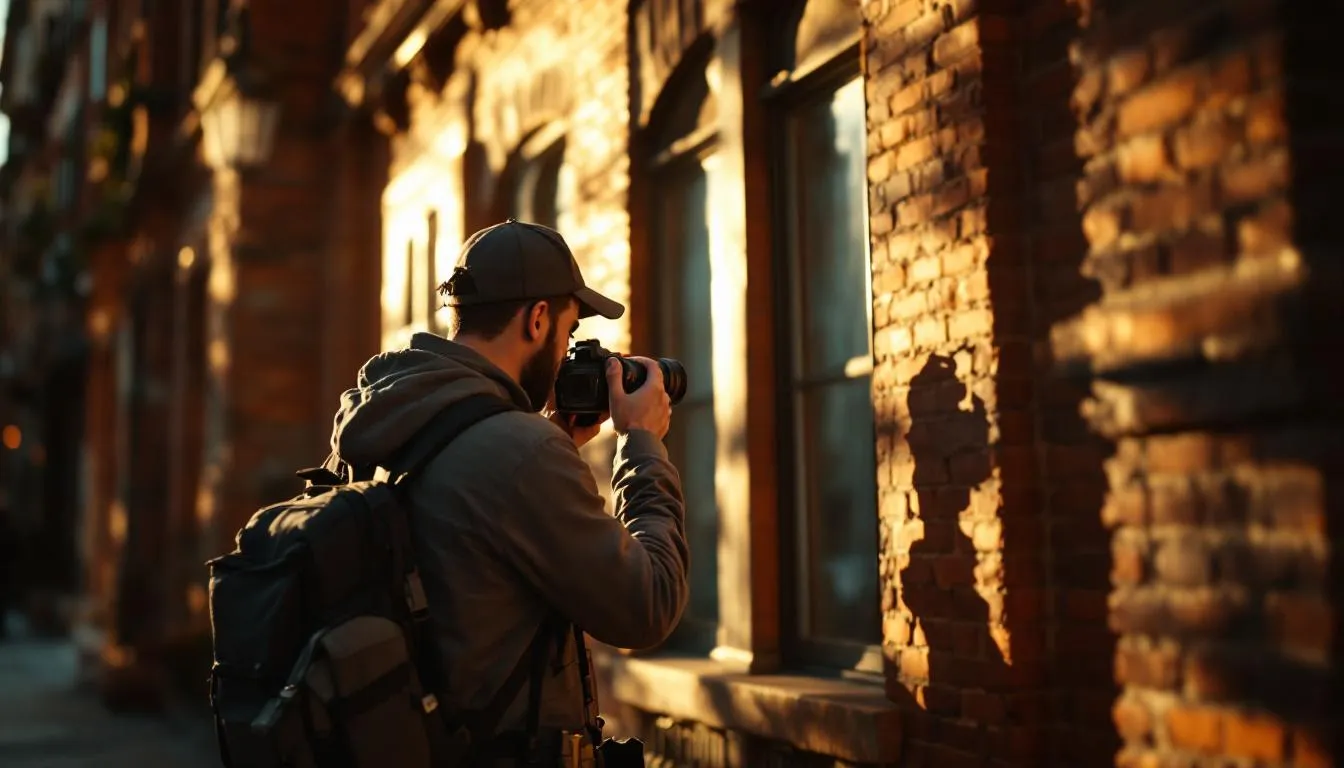
Your day starts with a location list from the creative team: they need a 1920s speakeasy, a suburban kitchen from the 1980s, or a derelict factory. You spend hours driving neighborhoods, walking into buildings, photographing potential matches. You take photos from multiple angles, note lighting conditions, measure spaces, and assess parking and equipment access. Back at a hotel or office, you organize photos into a database, write descriptions of each location, and present 5 to 10 options to the director or producer. They pick a few favorites. Then you call property owners. Some are excited about having their house in a movie. Others are skeptical about strangers trampling through. You pitch the benefits, explain the shoot schedule, discuss insurance and location fees, and negotiate terms. You'll handle liability paperwork, arrange site visits for the production designer and DP to assess lighting, and coordinate with the production team on logistics like parking, setup time, and any restrictions. On shoot days, you might be on set managing the property owner's concerns, handling neighborhood complaints, or solving last-minute access issues. Between projects, you scout speculatively, building a database of locations for future productions.
You need curiosity about places and how they look on camera, not just visual taste. You also need resilience in rejection: property owners will say no, locations will fall through, and producers will change their minds about what they need. People who thrive here are organized problem-solvers who enjoy negotiation and don't mind being away from home. You should be comfortable cold-calling strangers, reading people quickly, and adapting when plans change.
There's no single path, which is why this job works for people without degrees. Many scouts start in production as a PA (production assistant) or runner, learning the industry and proving they understand what filmmakers need. Others come from photography backgrounds, real estate, or local knowledge of a particular city. Some start by assisting an established scout on 2 to 3 shoots, learning the process hands-on. You'll want a portfolio of location photos and at least basic knowledge of film terminology and production logistics. The fastest entry is to move to a city with active film and TV production, apply for PA roles on sets, and express interest in scouting. Once you get on a scout team, the work itself teaches you the rest. Most scouts start making around $200 to $300 per week as PAs or junior scouts. After 2 to 3 years of steady work, you can earn $1,200 to $2,000 per week as a lead scout. Joining local production companies or connecting with line producers in major film hubs (Los Angeles, New York, Atlanta, New Orleans) is the most reliable entry point.
The work is nomadic. You're living out of hotels or rental cars for months at a time, which sounds exciting until you're eating the same diner food for the fifth week straight and missing your friends' lives back home. The pay is inconsistent. Between projects, you might have stretches with no work. If a show gets cancelled or a film's budget shrinks, you're cut loose with no notice. You're also on the hook for some expenses: gas, meals, parking, and supplies come out of your pocket before reimbursement, which can take weeks. Property owners and their lawyers can be difficult. Some will threaten legal action over minor issues. You're also constantly hustling to stay in the loop because the work is gig-based and word-of-mouth driven. If you're not staying connected to production companies and line producers, you disappear and the calls stop coming.