Furniture Restorer
You're working with 200-year-old wood, mixing your own stains from scratch, and fixing things that museums care about. A $400 chair that came in looking like garbage leaves your shop worth $3,000. The work is technical, visual, and permanent.
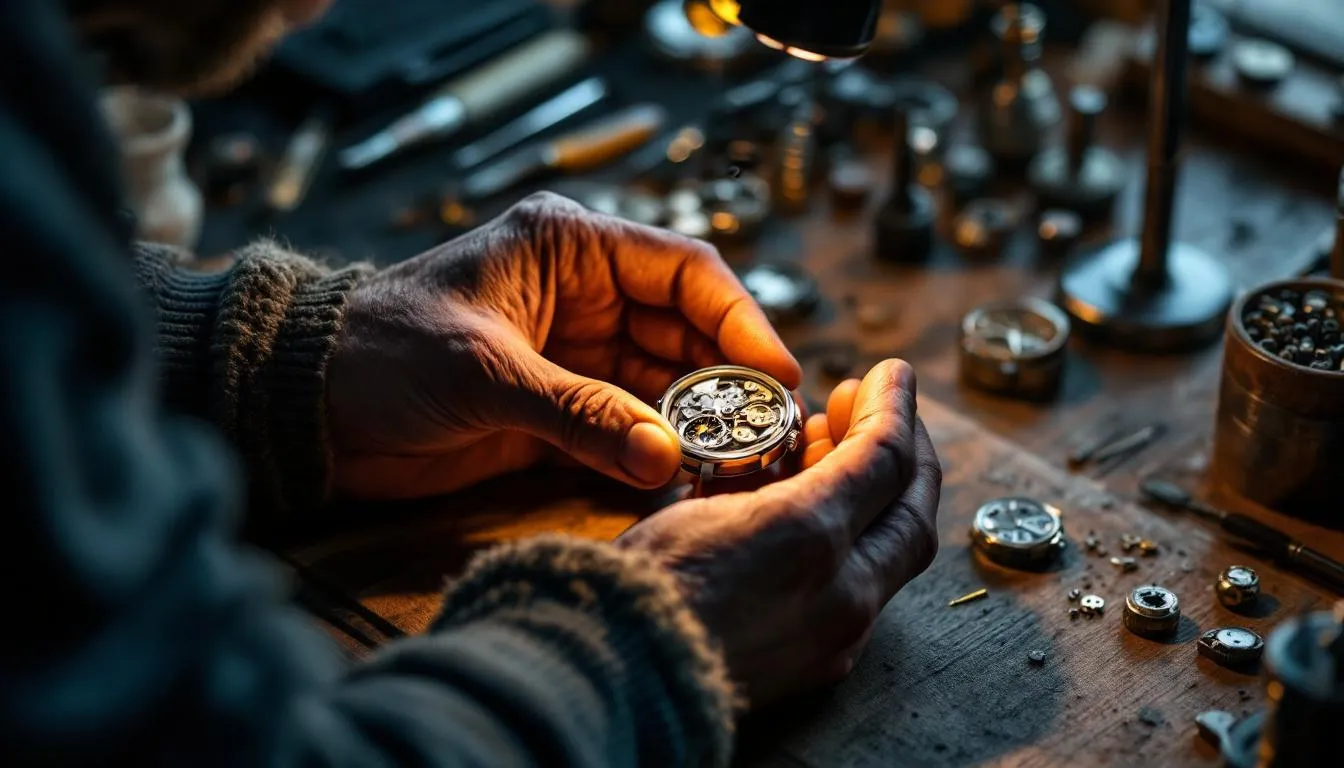
Furniture restoration happens in a workshop, usually small and independent or attached to an auction house, antique dealer, or museum. You work alone or with one other person most days. The work is slow, methodical, and requires intense focus. You're examining wood grain under magnification, testing stains on hidden surfaces, and sometimes spending three weeks on a single Victorian chair. The environment is quiet. Your hands are your primary tool, along with chisels, scrapers, sanders, and chemicals. There's no rush, but there's no margin for error either.
Your day starts by assessing incoming pieces. You document the wood type, original finish, damage, and construction method. You photograph everything before you touch it. Then the actual work begins. Some days you're stripping old finish carefully, testing different solvents to find what works without damaging the underlying wood. Other days you're gluing joints, clamping assemblies, and waiting. You mix stains to match original colors, sometimes by trial and error, testing on scrap wood first. You hand-sand surfaces smooth, working through progressively finer grits. You repair veneer, replace missing pieces, reinforce weakened joints. If it's upholstered, you work with the frame, sometimes coordinating with upholsterers. You research provenance and historical techniques when you're unsure. You maintain detailed records of what was done, what materials were used, and how the piece responded. The work requires patience, steady hands, and a willingness to undo and redo until it's right.
You need patience that actually means something. This isn't about being calm; it's about being genuinely unbothered by repetition and slow results. You're detail-obsessed without being neurotic about it. You can see what a piece could be under years of damage. You like problem-solving quietly, alone, without needing validation. Chemistry and wood properties interest you, even if you never studied them formally. You're willing to spend an afternoon testing stains on hidden spots. You respect old things without being reverent about them. You can take feedback on your work without your ego getting involved.
There's no standard degree for this. Start by apprenticing directly with an established restorer. Look for small workshops, antique dealers, or auction houses in your area that do restoration work in-house. Most will hire someone with no experience if you show up with real interest and willingness to learn. You'll start doing prep work: sanding, basic cleaning, stripping. Within 6-12 months of regular work, you'll start doing actual restoration under supervision. Take formal courses in furniture restoration through organizations like the American Institute for Conservation or regional trade schools that offer furniture restoration programs. Some community colleges have woodworking or restoration tracks. Books matter here. Study period furniture design, wood species, and historical finishing techniques. Expect 3-5 years of hands-on work before you can take on complex pieces independently. If you want to specialize, certifications in specific techniques (French polishing, marquetry repair, upholstery frame restoration) add credibility and let you charge more.
This work is physically demanding in ways that sneak up on you. Your shoulders, neck, and lower back take a hit from hunching over pieces all day, reaching into tight spaces, and holding awkward positions for hours. Your hands and forearms develop repetitive strain. The chemicals you work with (paint strippers, stains, finishes) are not always kind to your skin or lungs. Proper ventilation and gloves are non-negotiable, and not every shop has great ventilation. The work is seasonal. Winter brings more restoration work, summer brings slower periods. Income can be uneven, especially if you run your own business. You're also competing with DIY culture and cheap imported reproductions. Margins are tight on smaller pieces. You have to specialize or build reputation to make real money. A lot of the appeal is aesthetic and intellectual, but the business side is lean.