Horse Dentist (Equine Dental Technician)
You're inside a horse's mouth doing precision work that most people wouldn't touch. It's physical, technical, and pays better than most trades. Equine dentists are in short supply, so you can write your own ticket once you're certified.
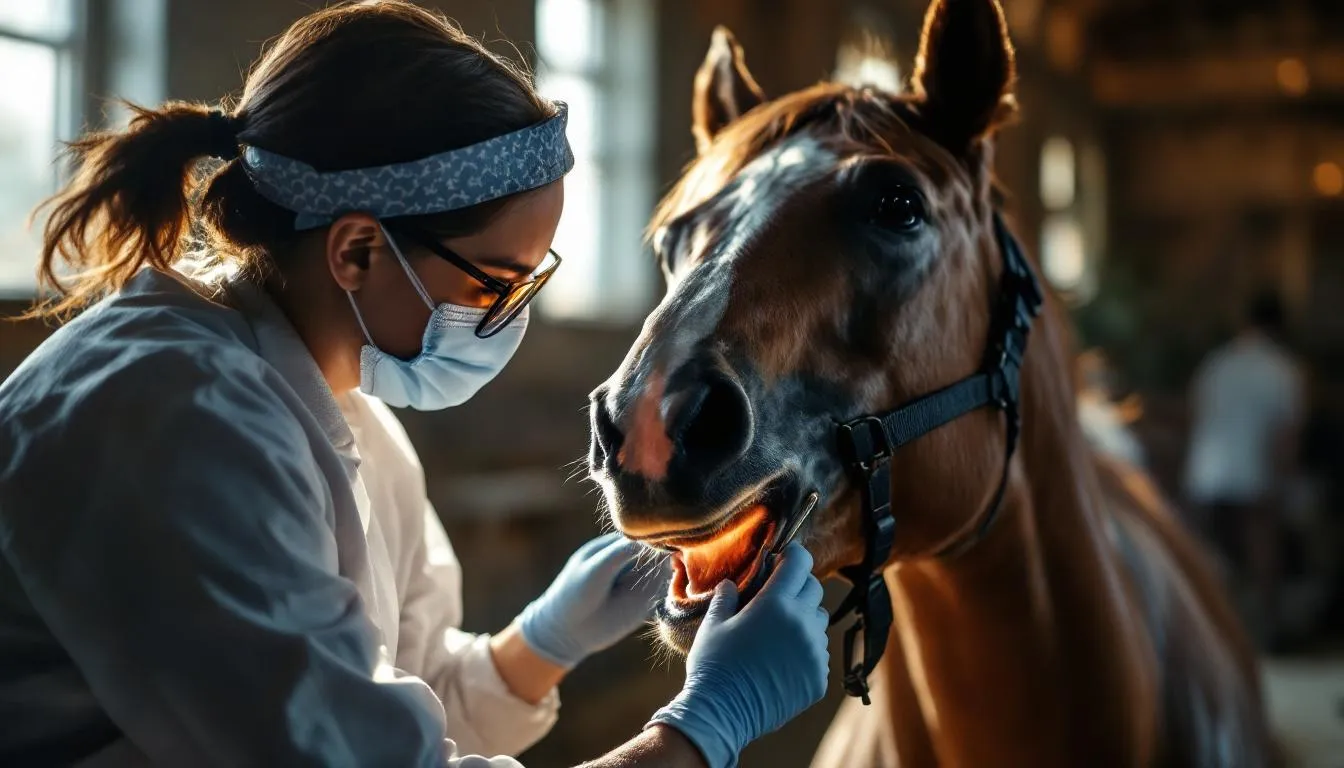
You show up at farms, stables, and equine clinics with your tools and a clear head. The work is straightforward: sedate the horse, open its mouth, use specialized floats to smooth down sharp points on molars, check for infections or abnormalities. Most days you're outside or in a barn. You work alone or alongside a vet. The pace is steady but requires focus. One horse takes 45 minutes to two hours depending on condition. By the end of the day your arms and shoulders feel it. The horses are usually calm after sedation, but you still need to know how to handle them and read their behavior.
A typical day starts with a client call or scheduled appointment at a barn. You arrive with your portable dental unit, hand tools, and sedative protocols. After assessing the horse's mouth visually and by feel, you place a speculum (mouth prop) and begin floating. You use float files of varying grits to level the chewing surfaces and smooth sharp edges on the molars and premolars. You check for hooks, ramps, and wave mouth conditions. If you spot a problem like an abscess, infection, or fractured tooth, you document it and may recommend the client call their vet. You clean out feed packing and debris. Some appointments include treating minor conditions like wolf teeth removal (small teeth that can interfere with the bit) or smoothing bit seats. You keep detailed records for each horse. On longer jobs or barn contracts, you might see six to eight horses in a day. Between appointments you're driving to the next location, often 30 minutes to an hour away. You also spend time maintaining your tools, keeping your certifications current, and building relationships with vets and barn managers who refer work to you.
You need physical toughness and genuine comfort around large animals. This isn't a desk job, and horses require respect and steady nerves. You should be detail-oriented but not precious about getting dirty or having a horse shift its weight on your foot. The best equine dentists are problem-solvers who can read a situation quickly. You're also running a small business once you go independent, so you need to manage your schedule, maintain equipment, and build client relationships. People who thrive here like working alone or with a vet, prefer working outdoors or in barns over offices, and see skill-building as ongoing.
Start by researching equine dental schools and programs. The main route is a specialized program in equine dental technology, not traditional vet school. Programs like the International Association of Equine Dentistry (IAED) and similar organizations offer certification paths. Most programs take 6 to 12 months of intensive study covering anatomy, pathology, sedation protocols, floating techniques, and business basics. Some require prerequisite experience working with horses. Before enrolling, get your hands on as much horse experience as possible: work at a barn, become a farrier's assistant, or shadow an equine dentist. This matters because the work demands comfort around large animals and physical confidence. Once certified, start building your client base. Many new dentists partner with an established dentist or work under a vet's supervision before going independent. Some tie in with equine clinics that refer work to them. The barrier to entry is lower than becoming a vet, but the technical skill ceiling is real. You're building a reputation job by job.
This job is physically demanding in ways that catch up with you. Your shoulders, lower back, and wrists take a pounding every day. Reaching into a horse's mouth for hours at a time, applying pressure to float files, holding your arms up, bending over. After a decade, many dentists have chronic pain or repetitive strain injuries. Some switch to teaching or mentoring to keep working in the field with less physical load. The other reality is scheduling chaos and weather dependency. You're driving to farms in all seasons. Ice, mud, snow, extreme heat. If a client cancels or reschedules, your day fragments. Getting paid depends on showing up and completing the work, which sounds obvious until you get a stomach bug or a truck breakdown the day before a full schedule. Early in your career, building a client base is slower than it looks. Vets control a lot of referrals, and they're not always generous with equine dentists. You might have weeks where you're booked solid and weeks where you're looking for work.