Iceberg Sculptor
You carve massive blocks of ice into intricate sculptures using chainsaws, chisels, and your eye for detail, then watch them melt away. The work is part competition, part art installation, part engineering problem you have to solve in hours instead of days. It's temporary by design, which means the pressure is real and the stakes feel high.
Ice sculpting happens in cold rooms, outdoor winter events, and competition venues where temperature control is everything. You work against a clock that's measured in hours or days before your medium starts degrading. The environment is physically demanding: cold, wet, loud from power tools, and often in front of an audience or judges. You're part artist, part technical problem-solver, part laborer. The work is seasonal in most regions, concentrated in winter months and around major events like ice festivals and high-end corporate galas.
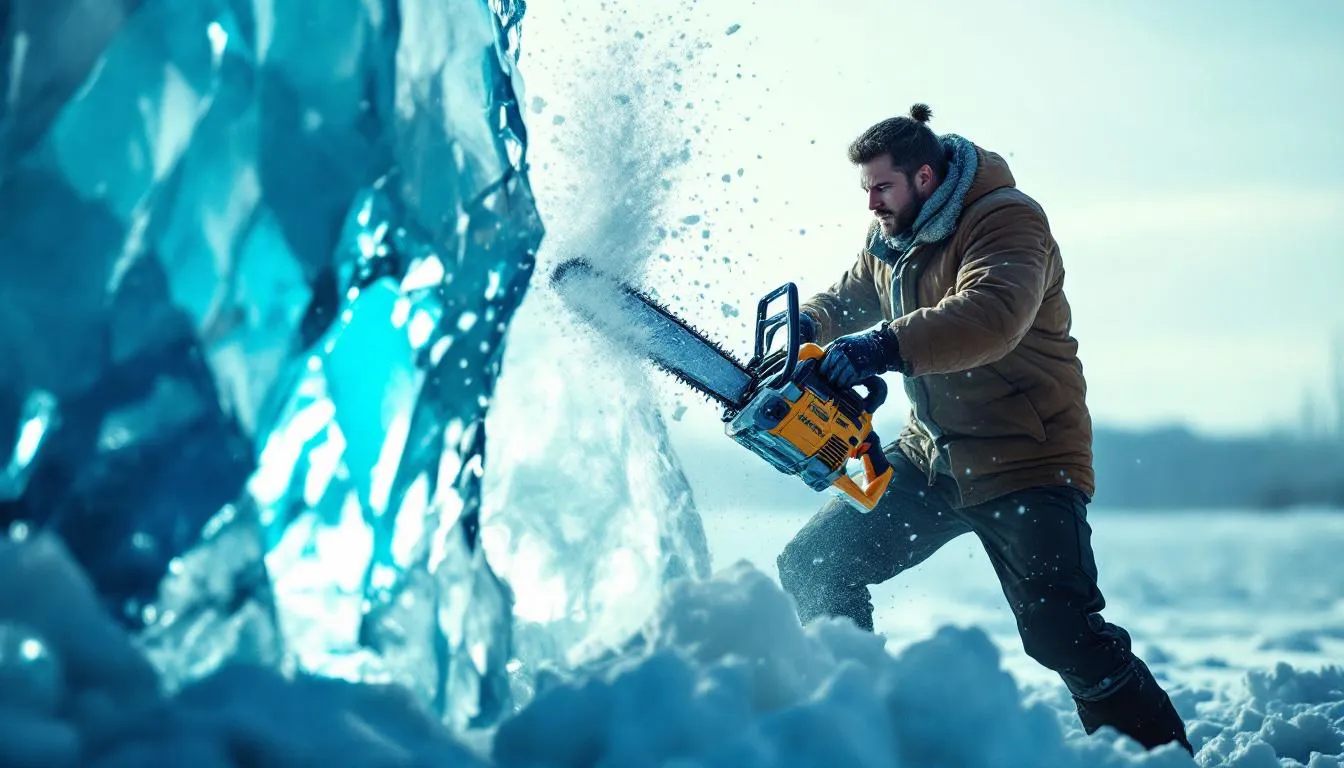
You start with a solid block of ice, sometimes 300+ pounds, and a design brief or competition prompt. You rough out the shape with a chainsaw, working fast because every minute the ice is warming slightly. Once the bulk is carved, you switch to hand chisels, specialized ice tools, and sometimes angle grinders to cut fine detail. You're constantly assessing how the ice is fracturing, where stress points are forming, and whether your design will hold together as it thins. You manage temperature in the workspace, sometimes adding dry ice or working in freezer rooms to slow melting. If you're competing, you're against time and judges' eyes. If you're installing for an event, you're coordinating transport, placement, and sometimes doing touch-ups on site while the sculpture stays frozen. You're also responsible for your tools, your safety gear, and keeping yourself functional in cold that numbs your hands and exhausts you faster than you'd expect.
You need calm hands under pressure and the ability to make fast creative decisions while a clock is running. You should actually enjoy the cold and physical work, not just tolerate it. People who thrive here are detail-oriented but not perfectionist in a paralyzing way, because ice work demands you adapt on the fly when cracks appear or the design needs adjustment. You need a genuine interest in the craft and the art side, not just the paycheck, because the season is short and the hours are brutal.
There's no standard path because this isn't a common job. Most ice sculptors start by taking specialized ice sculpting courses through art schools, trade organizations, or independent master sculptors who offer short apprenticeships. The National Ice Carving Association (NICA) offers certification and competition pathways that can build your name and portfolio. You need to know chainsaw operation well enough to be safe and fast, so any background with power tools helps. Some sculptors come from stone carving, woodworking, or culinary backgrounds (ice sculpture is big in high-end catering). You can start by entering local ice carving competitions, which are low-barrier entry points where you'll meet other sculptors and find actual work. Building a portfolio of photos is critical because clients are hiring based on past work. Budget 3-6 months of practice and training before you're good enough to get paid work. Once you land your first gigs (often through event planners, corporate clients, or competition wins), you build repeat work during winter months.
The cold will wear on you harder than you think. Even with insulated gloves, your hands suffer. Frostbite is real, and most long-term sculptors deal with chronic hand and joint pain. You're also fighting repetitive strain from chainsaw work and chiseling, and it catches up with you by your 40s if you haven't changed your body mechanics or quit. The work is feast or famine. You might make excellent money for 8-10 weeks during winter holidays and competition season, then struggle to find work the rest of the year. Many ice sculptors pick up other jobs or skills to stay employed year-round. The medium itself is fragile: a warm day can ruin a week of work, clients sometimes pull events last minute, and you have no recourse once the sculpture melts. You're also gambling that your portfolio and reputation will build fast enough to sustain you, because there's limited work available compared to other trades.