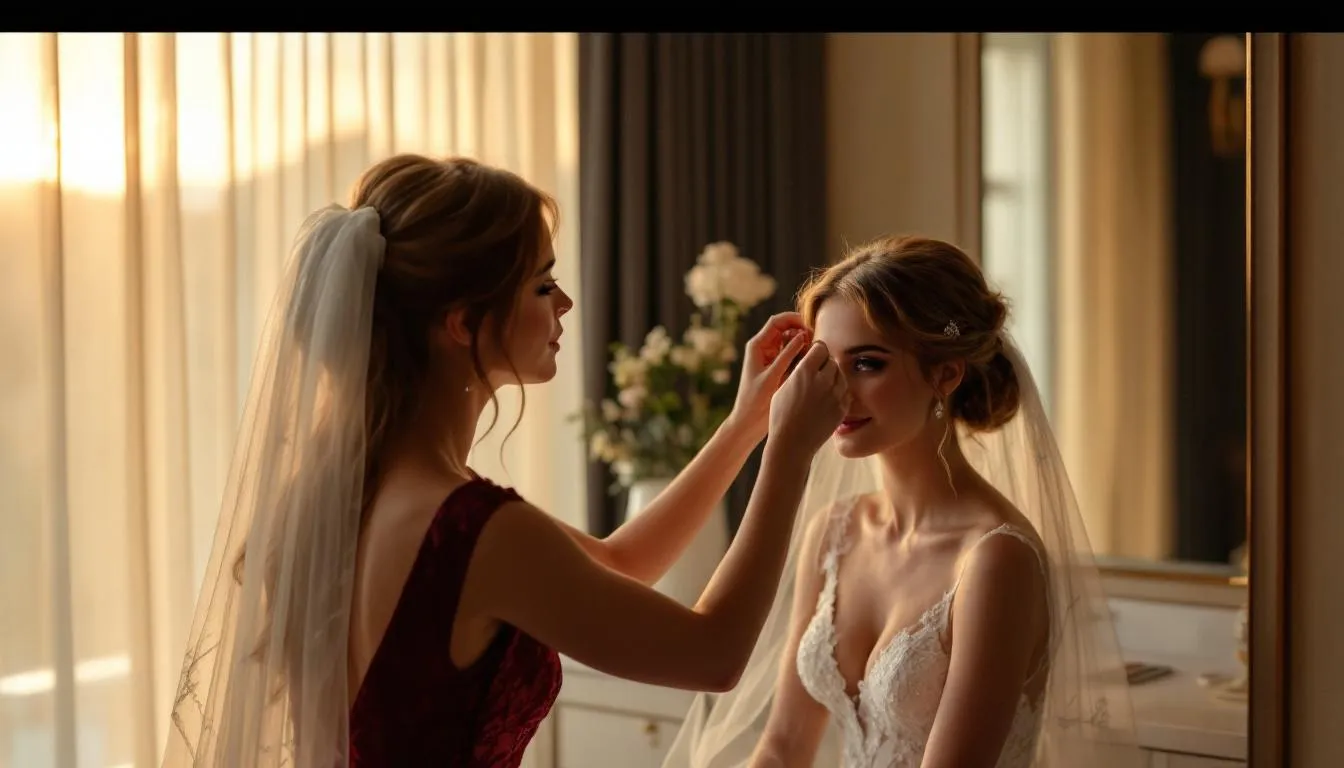
Professional Bridesmaid
Weddings are a $74 billion industry, and brides are now hiring professionals to handle the chaos so their actual friends don't have to. You show up, manage the timeline, keep the bride calm, coordinate with vendors, and make sure nothing falls apart on the day. It's part event coordinator, part therapist, part drill sergeant.
You work for one bride at a time, usually for 2-6 months before the wedding. Your job starts weeks out: you're texting vendors, making spreadsheets, handling RSVPs, managing dress fittings, coordinating with florists and photographers. You're also the person the bride calls at 11 PM when she's spiraling about seating charts or her mom said something offensive. On wedding day, you're backstage from dawn to midnight. You're pinning veils, managing the bride's makeup touch-ups, keeping her fed and hydrated, running interference between the bride and her mother, communicating with vendors in real time, and making sure the bridesmaids are where they need to be when they need to be there. The work is detail-focused and high-pressure, but it's also short-term and concrete. You can see the finish line. You're working mostly with women, often in upscale wedding settings. The clients range from anxious first-time brides to high-net-worth women planning destination weddings. Some are genuinely warm and collaborative. Others are demanding or use you as a verbal punching bag for wedding stress. You need to be able to read the room and adjust your approach.
Before the wedding, you're running operational logistics. This means building project timelines, creating vendor contact sheets, managing the bride's to-do list, and often handling RSVPs and seating arrangements. You're attending fittings with bridesmaids, coordinating rehearsal logistics, and troubleshooting problems that come up. If a florist is unresponsive, you follow up. If the bride is panicking about her dress fit two weeks out, you coordinate with the seamstress and talk her through it. You're also providing emotional support. This includes listening to the bride vent about family drama, reassuring her about decisions she's already made, and helping her navigate conflicts between people in her wedding party. Some of this work happens via text and phone calls late into the evening. You're managing expectations and keeping her grounded when wedding planning makes her feel out of control. On the wedding day itself, you start hours before the ceremony. You're coordinating the timeline with hair and makeup vendors, making sure everyone is on schedule, and keeping the bride's stress level down. You're problem-solving in real time: a bridesmaid is running late, the florist delivered the wrong flowers, the photographer needs access to a room, the bride's mother is criticizing something. You handle it without escalating it. You're also managing the bride's physical needs, keeping her hydrated, making sure she eats, touching up her makeup, and keeping her dress pristine. After the ceremony, you're helping with venue transitions, managing the vendor breakdown, and often staying through the reception to handle any last-minute issues.
You need to be someone who actually enjoys organizing and fixing things in real time, not someone who just tolerates it. You have to be comfortable with high-emotion people during a stressful time and not absorb their stress as your own. You should be good at reading what people need before they ask for it. You also need a genuinely high tolerance for detail work and last-minute changes without getting frustrated or resentful. People who thrive in this role tend to be naturally calm under pressure, good at following through on commitments, and able to manage up (communicate clearly and set boundaries with demanding clients).
There is no standard certification or degree path for this. Most professional bridesmaids start one of three ways: (1) You've been a bridesmaid or maid of honor multiple times and realize you're naturally good at the organizational and emotional work, so you start offering it as a paid service. (2) You work in event planning, wedding coordination, or a related field and branch into this niche. (3) You build a business from scratch by creating a service brand, learning the wedding industry, and marketing directly to brides through Instagram, wedding blogs, or referral networks. If you don't have experience, start by shadowing or assisting an established wedding planner or coordinator to understand how weddings actually run and where problems typically surface. Learn project management basics through free online resources. Build a portfolio by doing 2-3 weddings at a discount to get testimonials and photos. Brides hire based on referrals and reviews, so your first clients matter. You'll also need to understand the wedding industry: vendor relationships, timeline standards, regional pricing, common problems, and how to negotiate. Some professional bridesmaids get liability insurance (ask a wedding planner for recommendations). You should understand contract basics so you can set clear expectations about what you're and aren't responsible for. Most people build this business part-time initially while working another job, since wedding season is seasonal and you work one wedding at a time. As you build a client base and reputation, you can take on more weddings per year and potentially charge premium rates for high-end weddings or destination events.
This work is emotionally taxing in ways that aren't obvious upfront. You're not just coordinating logistics; you're managing someone's anxiety, family conflict, perfectionism, and sometimes mental health crisis during one of the most stressful times of their life. Some brides treat their professional bridesmaid like an emotional support animal, texting at odd hours with panic and expecting immediate response. Others are lovely, but the sheer volume of small decisions and problem-solving can be draining. You're also bearing the weight of the wedding's success. If something goes wrong, the bride looks at you first. The work is also deeply seasonal. You might earn $15,000 in 6 months (April-September) and have almost nothing from October-March. This makes it hard to rely on as sole income. There's also an emotional comedown after each wedding ends; you've been intensely focused on one person's day for months, then suddenly you're not. Some professional bridesmaids struggle with that transition. Finally, the weddings you get are directly tied to your network and reputation. One bad review or a bride who doesn't refer you can significantly affect your booking rate. You're essentially a one-person business with no safety net and no paid time off.