SFX Makeup Artist (Prosthetics)
You sculpt silicone faces, paint them to look alive, and glue them onto actors. Your work ends up on screen. The craft ceiling is high, the work is visible, and every project teaches you something new about anatomy, materials science, and what looks real under camera lights.
SFX makeup happens in prep rooms on set, in production offices, sometimes in your own studio. You're sculpting molds, mixing silicone and pigments, painting appliances, and stress-testing them under heat and movement. The actual application to talent is often fast, under pressure, and with no room for mistakes once you're on set. You work with directors, creature designers, actors, and other makeup artists. The pace swings hard: crushing prep work in weeks leading up to filming, then intense focus during shooting days, then gaps between projects where you're building your portfolio or taking on smaller gigs.
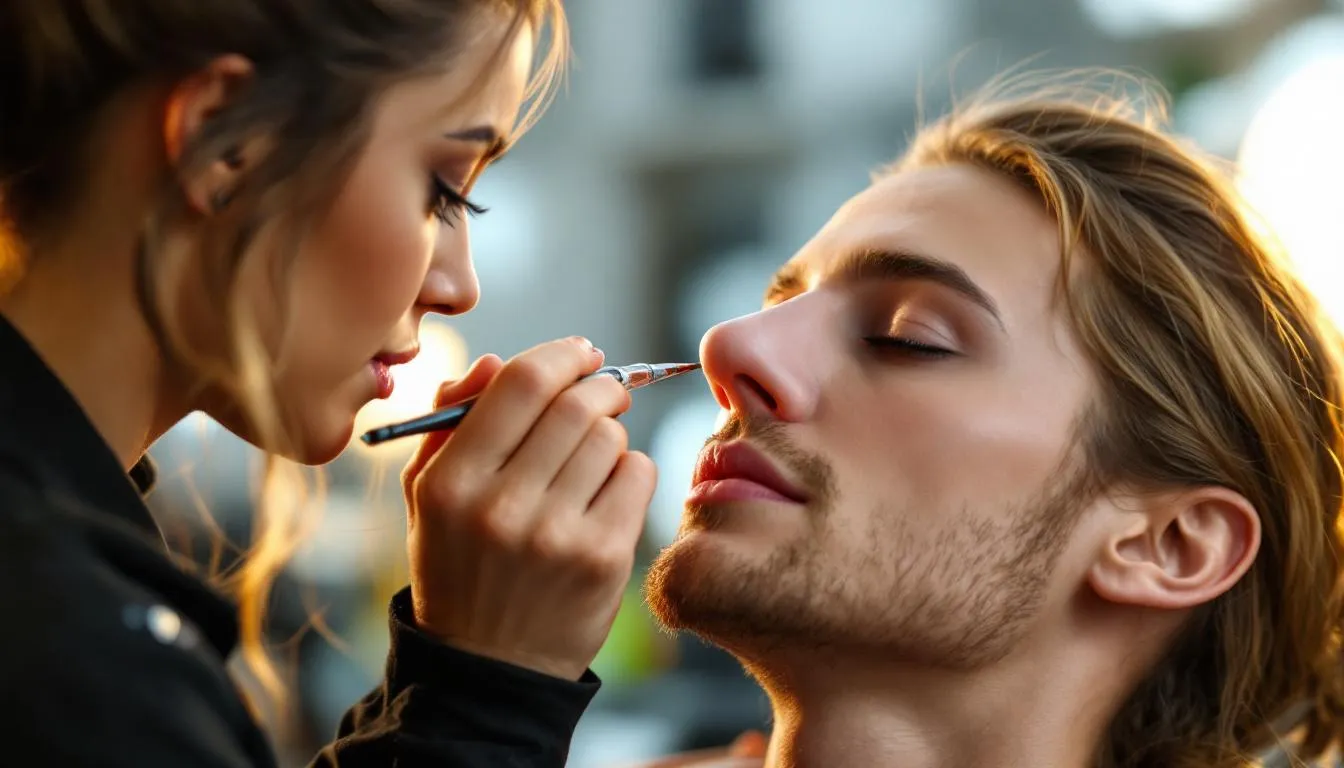
Your day starts in a sculpting room where you're carving details into clay or digital files, creating the negative molds that will become your prosthetic pieces. You're mixing silicone compounds, pouring them into molds, baking them, demolding appliances, and painting every detail with airbrush and hand-painting techniques. You test fit pieces on actors or dummies, adjust them, reinforce edges, and prep them for application. On set, you're applying silicones, glues, and foundations to faces under time pressure, touching up during filming, and sometimes removing pieces between takes or at the end of the day. You're also troubleshooting problems in real time: a piece that's sliding, paint that's cracking under sweat, an actor's skin reacting badly to adhesive. Outside of active projects, you're researching new materials, studying references, building business relationships, and creating portfolio pieces that land bigger gigs.
You need meticulous hand control and patience for detail work that takes hours. You also need curiosity about materials science and chemistry, because this job is about problem-solving with silicone, pigments, adhesives, and skin reactions. You thrive on visual feedback and external validation: you want to see your work on screen and have people react to it. You need to handle pressure and criticism well, because directors and actors will ask for changes and the work is visible. Financially, you have to tolerate irregular income and gaps between projects, which means you either have savings or you hustle side gigs during downtime.
There is no degree required, but you need a portfolio of work and hands-on training. Start with online courses or YouTube tutorials on silicone makeup basics, then enroll in a specialized makeup school with a prosthetics program (places like the Cinema Makeup School, Makeup Designory, or online programs like Skin Illustrator courses). These run a few months to a year and cost $3,000 to $15,000. Alternatively, apprentice under an established SFX artist on low-budget films or student productions to learn on the job. Build your portfolio aggressively: create pieces, photograph them well, apply them to willing volunteers, and post the work on Instagram and your website. Start getting paid gigs on indie films, short films, student thesis projects, and theater productions. You're building reputation and reel footage. Once you have solid portfolio work, pitch yourself to production companies, contact casting agents, and network at film festivals and industry events. Many SFX artists freelance between projects, so expect gaps and the need to hustle constantly early on.
Inconsistent income is real and brutal. You might make good money on a three-month film project, then have two months with zero income while you network and pitch yourself. Early on, you're likely to work for free or low pay on student films and indie projects just to build portfolio work. That's unpaid work that looks like a job. The materials are expensive and some are hazardous. Silicone, epoxy, adhesives, and pigments cost money that comes out of your pocket early on. Many of these chemicals are toxic if you're not careful, so ventilation and safety equipment matter. Skin reactions to adhesives and silicones are common, and you'll encounter performers and colleagues who are allergic or sensitive to products you're using. You're also handling other people's faces and skin, which means you need to understand hygiene, allergies, and skin conditions, and some actors will have difficult skin or unrealistic expectations about comfort. The work is physically demanding: sculpting causes hand and wrist strain, long application sessions put you on your feet, and set days are long and high-pressure. Finally, portfolio work never stops. You're constantly photographing your pieces, creating new work, and updating your online presence. It's part of the job and it's unpaid.