Coin Die Engraver
You're carving the master dies that become currency. Every coin struck in the US starts with a die you cut by hand. It's one of the last true hand-engraving trades left, and the US Mint is one of the few employers still hiring for it.
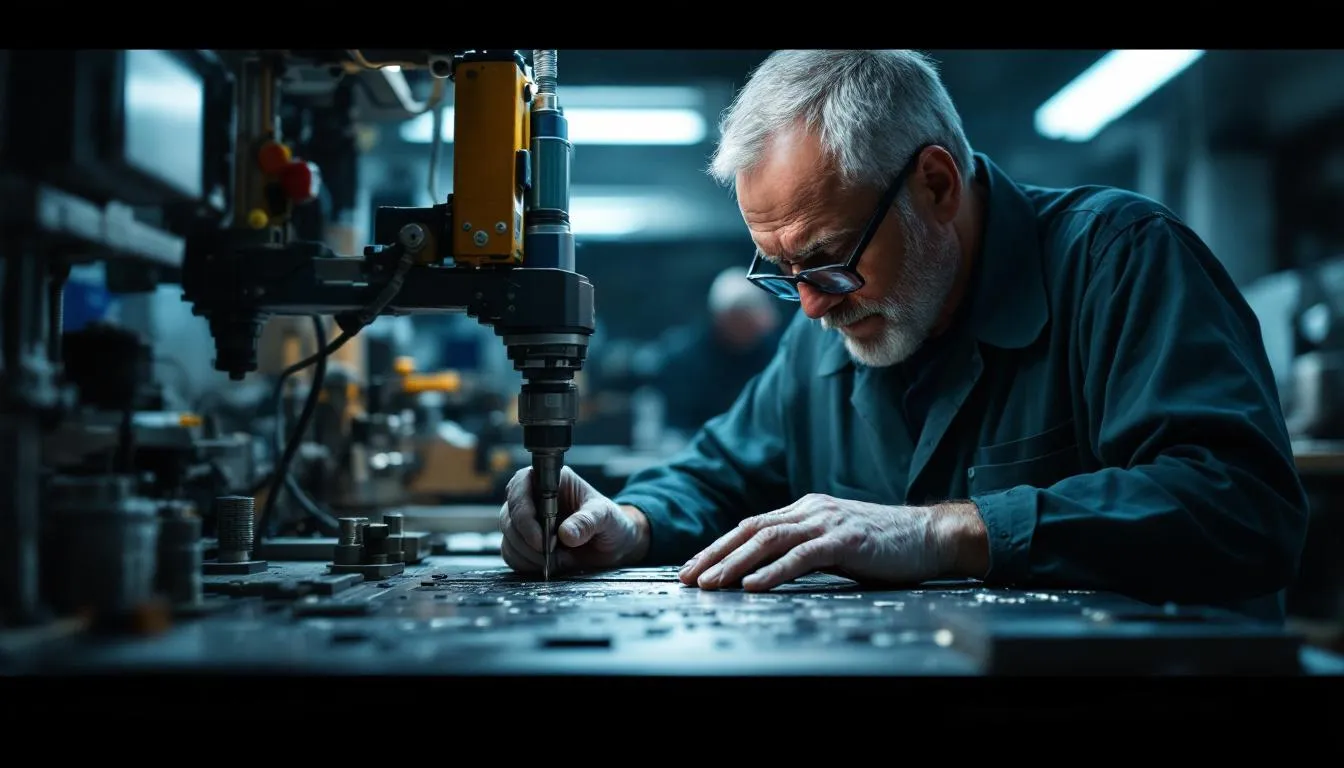
Most coin die engravers work at the U.S. Mint facilities in Philadelphia or Denver, though a handful work for private mints and medal producers. The work happens in climate-controlled engraving rooms where precision is absolute. You spend your day at an engraving station with specialized tools, working from design specifications and reference materials. The pace is deliberate and focused, not rushed. You're working at a microscopic scale, so every movement matters. Colleagues are other craftspeople who take the work seriously, and there's a quiet respect for people who can execute at this level.
You start by studying the design specifications and scale drawings provided by the design team. Using hand tools, pneumatic gravers, and precision instruments, you cut the die steel to match those specifications exactly. This means engraving fine details, adjusting relief heights, polishing surfaces, and checking your work constantly against measurement standards and reference dies. You use specialized equipment like pantograph machines and air chisels to remove material, but the refinement work is all hand work with burins and gravers. You'll also perform quality checks using calipers and magnification to ensure the die meets tolerance requirements. Some days you're roughing out major forms, other days you're doing microscopic detail work that requires a magnifying lens. Once a die is finished, you document it and hand it to the striking department. You might also repair worn dies or modify existing dies when designs need updating.
You need patience and focus that doesn't waver. This job demands people who find satisfaction in invisible precision, not in speed or volume. You should be able to work alone for hours without losing concentration. A background in craftsmanship or art helps, but what matters most is genuine interest in the mechanical and technical side of making something perfect. People who come from tool-and-die, jewelry, or machine work tend to do well because they already respect tolerances and understand that mistakes compound.
There's no standard entry path because the job is so rare. The U.S. Mint occasionally posts openings, usually requiring some combination of formal training in engraving or die-cutting and hands-on experience. Some engravers come up through jewelry-making backgrounds, others through tool-and-die work or machining. A few vocational or trade schools still teach hand-engraving basics, particularly in metalworking programs. Your best bet is to build foundational skills in precision metalwork, jewelry engraving, or tool-and-die work first. Work toward developing a portfolio of hand-engraved pieces that demonstrate fine detail work and dimensional accuracy. Watch for job postings directly from the U.S. Mint (usajobs.gov). When a position opens, competition is tight because the job is legendary. The Mint also occasionally brings people in as entry-level die engravers if they have machining or jeweler backgrounds and show aptitude. Plan on 3-5 years of related work before you're competitive for a federal Mint position.
The job is stable, but there are almost no openings. The U.S. Mint employs maybe a dozen or fewer coin die engravers total across all facilities. You could spend years building skills and never land a federal position. Private mint work exists but is less stable and sometimes requires relocating. The work is physically demanding in a quiet way: eye strain from magnified detail work, hand fatigue from holding precision tools, and the mental weight of knowing that a single mistake on a die affects thousands of coins. If you're after quick advancement or visible career growth, this isn't it. You're also locked into a very narrow specialty, so if the Mint doesn't work out, your skills don't transfer to many other jobs. The work is also slow to show results: a single die can take weeks or months to complete, so if you need to see immediate progress, you'll get frustrated.