Taxidermist
Taxidermists combine anatomy, sculpting, painting, and chemistry to make animals look alive again. Your work ends up in museums, hunting lodges, and private collections where it stays for generations. It's one of the few crafts where you can see your finished work on display for decades.
Taxidermy is hands-on work in a studio or shop, usually small-scale and quiet. You spend most of your time alone or with one or two other taxidermists, focused on a single specimen at a time. The work moves at your pace, not a production line. You handle everything from raw hides and bones to the final paint job. Some days you're doing detailed sculpting. Other days you're tanning hides, fitting glass eyes, or matching paint to feather patterns. The work demands precision and patience, but there's no quota or rush unless you're behind on a deadline you set yourself.
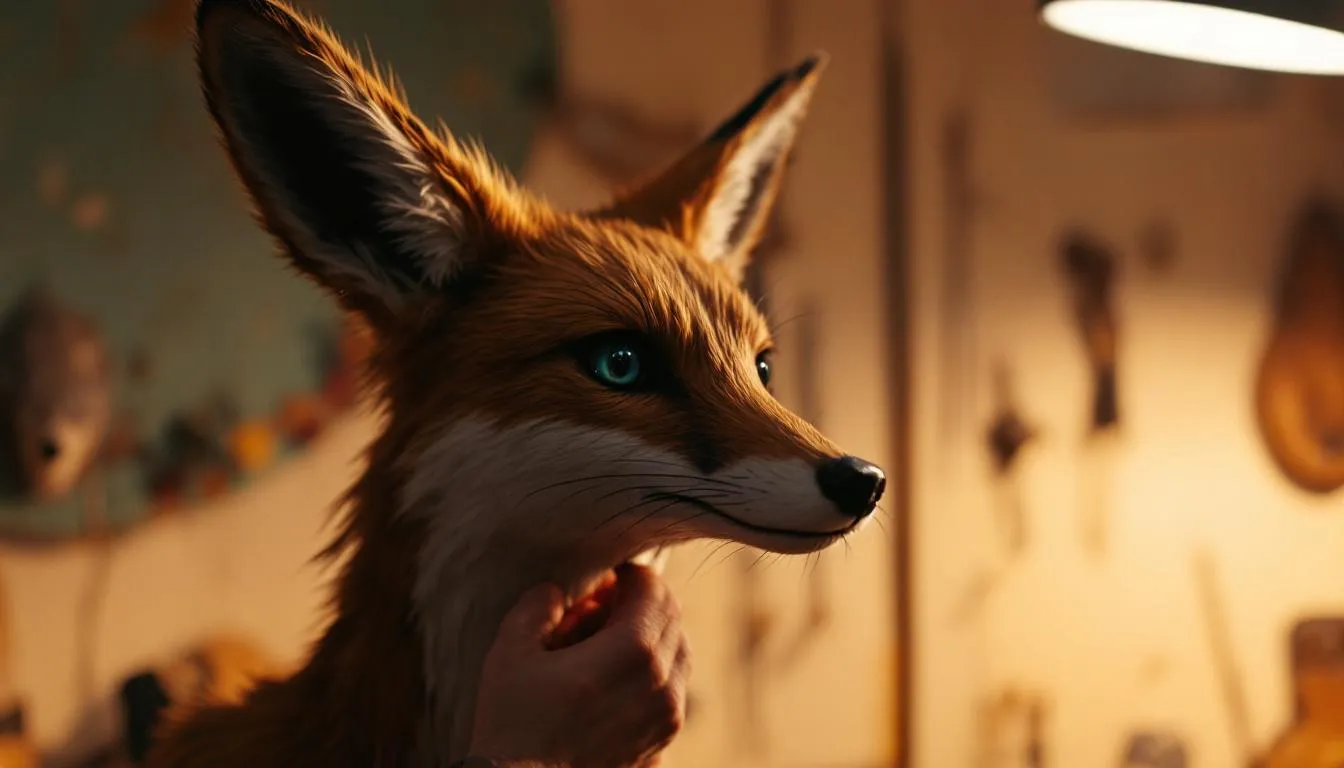
When a mount comes in, you start by skinning and fleshing the animal, removing all meat and tissue from the hide. This is messy and physical. You then treat the skin with tanning agents to preserve it. While that cures, you sculpt or carve a form to the animal's exact body shape, using clay, foam, wood, or commercial body forms. Once the skin is ready, you stretch and fit it over the form, sealing seams and gluing it down. Then comes the detail work: inserting glass eyes, sculpting eyelids and ears, fitting the nose, and positioning the body in a natural pose. After the mount is physically complete, you move to finishing. This means painting exposed skin, airbrusing around the eyes and nose, detailing claws and hooves, and grooming the hair or feathers to look natural. For birds, you might spend hours just arranging feathers. For large mammals, you might spend days on the face alone. Once everything is set, you mount the piece on a habitat base, adding landscape elements like branches, rocks, or museum-style platforms.
You need obsessive attention to detail and the ability to sit with a single mount for weeks without rushing. Successful taxidermists have a tolerance for solitary, meticulous work and genuine interest in animal anatomy, not just the finished aesthetic. You should be comfortable handling raw animal remains and chemicals. This job rewards patience, spatial reasoning, and the ability to see a three-dimensional form in your head before you carve it.
Taxidermy has no formal degree requirement. Most people learn through apprenticeship or formal trade programs. Look for a local taxidermist willing to take you on as an apprentice, or enroll in a taxidermy school (Van Dyke School of Taxidermy, Northwestern School of Taxidermy, and others across the country offer 4-16 week intensive programs, costs range $3,000-8,000). The Taxidermists Network International (TNI) and National Taxidermists Association (NTA) offer courses, certifications, and community. Many taxidermists start by doing it part-time in a garage or small shop, then scale up if demand is there. Before committing, spend time with a working taxidermist to see if the detail work, the solitary focus, and the handling of animal remains fit your temperament. Most people are earning money on their first mounts within 2-3 months of starting training.
Taxidermy is physically demanding in ways people don't anticipate. You spend hours hunched over a bench, often in repetitive motions. Your hands will develop calluses, joint pain, and chemical exposure is constant through tanning and sealant work, even with gloves. The smell of tanning chemicals and preservation is not something you ever fully get used to. Animal hides can carry parasites, bacteria, and diseases, so bloodborne pathogen training matters. The work is also emotionally loaded for some people. You're handling dead animals and making aesthetic choices about them that some will judge. Hunting communities usually support you, but you'll encounter people who view taxidermy as disrespectful to animals. The market is small and regional, so finding clients takes time. Most new taxidermists don't break even for 1-2 years. Museums and institutional work is stable but pays less than high-end private commissions.